Last Updated on November 25, 2025 by Aaron Blake
Have you ever wondered why some tires seem to make your car work harder while others feel smooth and effortless? The secret lies in something called tire rolling resistance.
Understanding this simple but powerful concept can help you save fuel, improve your ride, and even reduce your carbon footprint. You’ll discover exactly what tire rolling resistance is, why it matters to you, and how it affects your everyday driving.
Keep reading, and you’ll be surprised how a small detail like this can make a big difference on the road.
Contents
Tire Rolling Resistance Basics
Tire rolling resistance is the force that slows a tire as it rolls on the road. It affects how much energy your vehicle needs to keep moving.
Understanding rolling resistance helps you see how tires impact fuel use and driving comfort.
How Rolling Resistance Affects Driving
Rolling resistance changes how your car drives in several ways. It can affect fuel efficiency, tire wear, and vehicle handling.
- Higher rolling resistance means the engine works harder and uses more fuel.
- Lower rolling resistance can improve gas mileage and reduce emissions.
- It may also change how the car feels when you drive, including ride smoothness.
- Rolling resistance influences tire temperature and wear rate.
Factors Influencing Rolling Resistance
Many elements affect rolling resistance. These include tire design, materials, and road conditions.
| Factor | Effect on Rolling Resistance |
| Tire Tread Pattern | Complex patterns can increase resistance. |
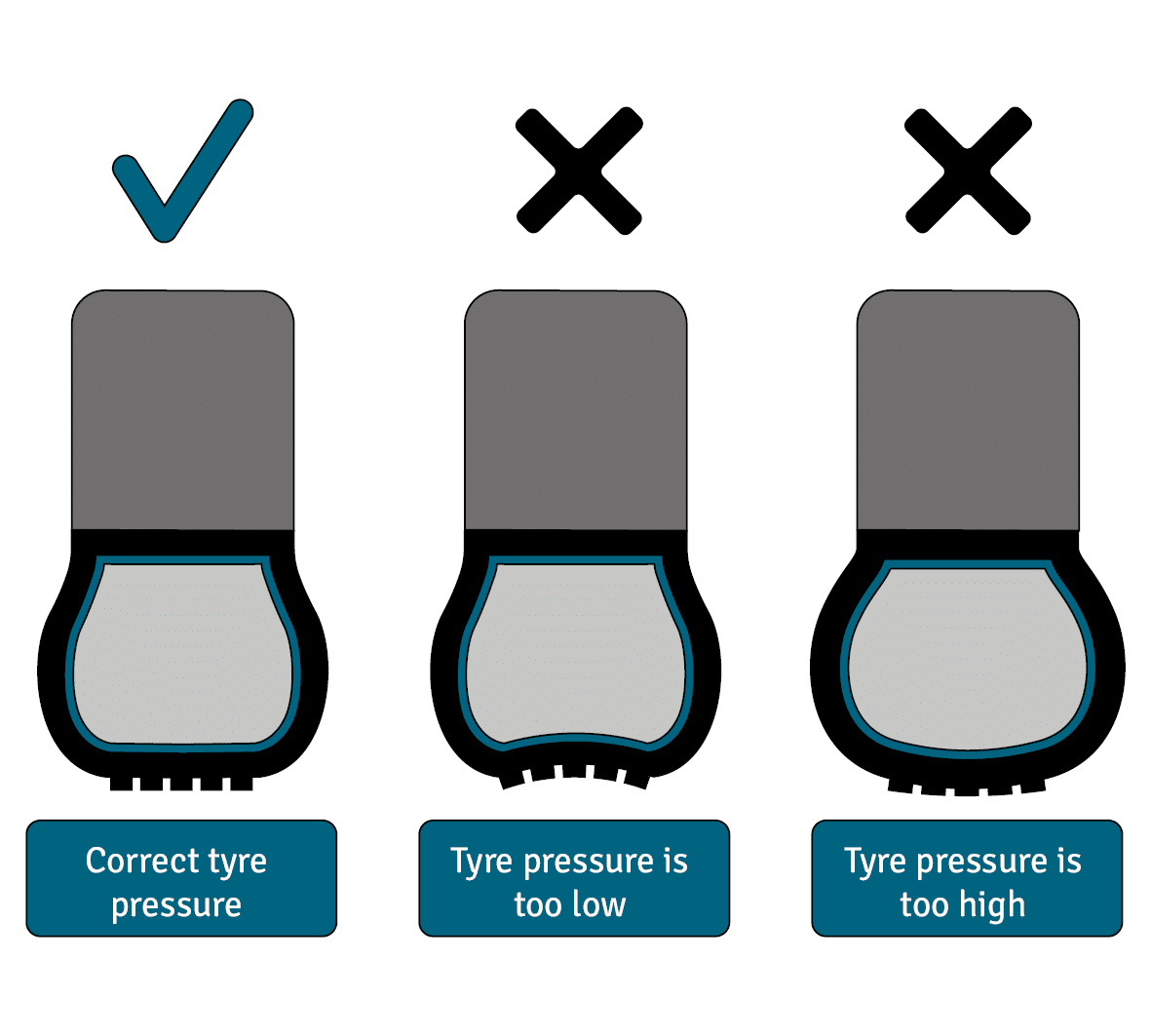
| Tire Pressure | Lower pressure raises rolling resistance. |
| Tire Material | Softer compounds usually increase resistance. |
| Road Surface | Rough roads cause higher rolling resistance. |
| Vehicle Load | Heavier loads increase resistance. |
Credit: www.jungheinrich-profishop.co.uk
Impact On Fuel Efficiency
Tire rolling resistance affects how much fuel a vehicle uses. Lower rolling resistance means less energy needed to move the car. This can save fuel and reduce emissions.
Understanding rolling resistance helps drivers choose tires that improve fuel economy. It also helps manufacturers design better tires for saving energy.
Energy Loss And Fuel Consumption
Rolling resistance is the energy lost as a tire rolls on the road. This loss comes from the tire’s shape changing and heat produced inside the tire. The more energy lost, the more fuel the engine must burn.
- Higher rolling resistance means higher fuel use.
- Lower rolling resistance tires need less fuel.
- Energy loss affects both city and highway driving.
- Proper tire inflation reduces rolling resistance.
Real-world Fuel Savings
Tire rolling resistance impacts real fuel savings over time. Even small improvements can lower fuel costs and emissions for drivers.
| Tire Type | Rolling Resistance (N) | Estimated Fuel Savings (%) |
| Standard Tire | 12 | 0 |
| Low Rolling Resistance Tire | 8 | 3-5 |
| Eco-Friendly Tire | 6 | 5-7 |
Materials And Design Innovations
Tire rolling resistance is the force that slows down a tire when it rolls. Lower rolling resistance means the tire needs less energy to move.
New materials and smart designs help reduce this resistance. This makes cars use less fuel and produce fewer emissions.
Low Rolling Resistance Tires
Low rolling resistance tires use special rubber compounds to reduce friction. These materials stay firm but flexible, cutting energy loss.
The design also changes the tread pattern and sidewall stiffness. This reduces the tire’s deformation while driving, lowering resistance.
- Use of silica in rubber to improve grip and reduce heat
- Stiffer sidewalls to keep shape and save energy
- Optimized tread patterns for less friction with the road
Advancements In Tire Technology
New technologies improve tire performance and lower rolling resistance. Engineers use computer models to design better tires.
Innovations include airless tires and smart materials that adjust to road conditions. These help in saving energy and improving safety.
- Airless tires reduce energy loss by avoiding air pressure changes
- Smart rubber compounds adapt to temperature for better grip
- 3D printing allows precise tire designs with less waste
Credit: www.moderntiredealer.com
Tips To Reduce Rolling Resistance
Tire rolling resistance affects fuel efficiency and tire wear. Lower rolling resistance saves energy and money.
Simple changes can reduce rolling resistance. This helps your vehicle move easier on the road.
Proper Tire Maintenance
Keeping your tires in good shape lowers rolling resistance. Check tire pressure often and keep it at the right level.
Rotate tires regularly to make them wear evenly. Balanced and aligned tires also roll better and last longer.
- Check tire pressure monthly
- Rotate tires every 5,000 to 8,000 miles
- Balance and align tires as needed
- Inspect tires for damage or uneven wear
Choosing The Right Tires
Select tires designed for low rolling resistance. These tires save fuel and reduce emissions.
Look for tires with the right size and tread pattern for your vehicle. Lighter tires also help lower rolling resistance.
- Choose tires labeled for low rolling resistance
- Pick the correct tire size for your car
- Use tires with smooth tread patterns for less friction
- Consider lighter tires to improve fuel economy

Credit: www.tandfonline.com
Frequently Asked Questions
What Is Tire Rolling Resistance?
Tire rolling resistance is the force that slows a tire as it rolls on the road.
Why Does Tire Rolling Resistance Affect Fuel Efficiency?
Higher rolling resistance means the engine works harder, using more fuel to move the vehicle.
How Can I Reduce Tire Rolling Resistance?
Keep tires properly inflated and choose tires designed for low rolling resistance.
Does Tire Material Impact Rolling Resistance?
Yes, softer materials usually increase resistance, while harder compounds can lower it.
How Does Rolling Resistance Affect Tire Wear?
Lower rolling resistance tires often last longer because they generate less heat and friction.
Conclusion
Tire rolling resistance affects fuel use and driving comfort. Lower resistance means better gas mileage and less pollution. Tires with good design and materials help reduce resistance. Drivers save money by choosing tires wisely. Knowing about rolling resistance can guide better tire choices.
Small changes make a big difference on the road. Keep this in mind when buying new tires. It helps your car run smoother and cleaner. Simple steps improve driving and protect the environment.