

What Is Regenerative Braking: The Future of Efficient Driving
Last Updated on August 17, 2026
Have you ever wondered how some cars save energy every time they slow down? That’s where regenerative braking comes in.
It’s a smart technology that helps your vehicle recover energy instead of wasting it as heat. Understanding regenerative braking can change the way you think about driving and fuel efficiency. Keep reading, and you’ll discover how this simple yet powerful system works and why it matters to you.
Credit: www.designnews.com
How Regenerative Braking Works
Regenerative braking is a method that helps save energy in vehicles. It recovers energy when the vehicle slows down.
This process turns the vehicle’s motion energy back into electrical energy. This energy can be stored and used later.
Energy Conversion Process
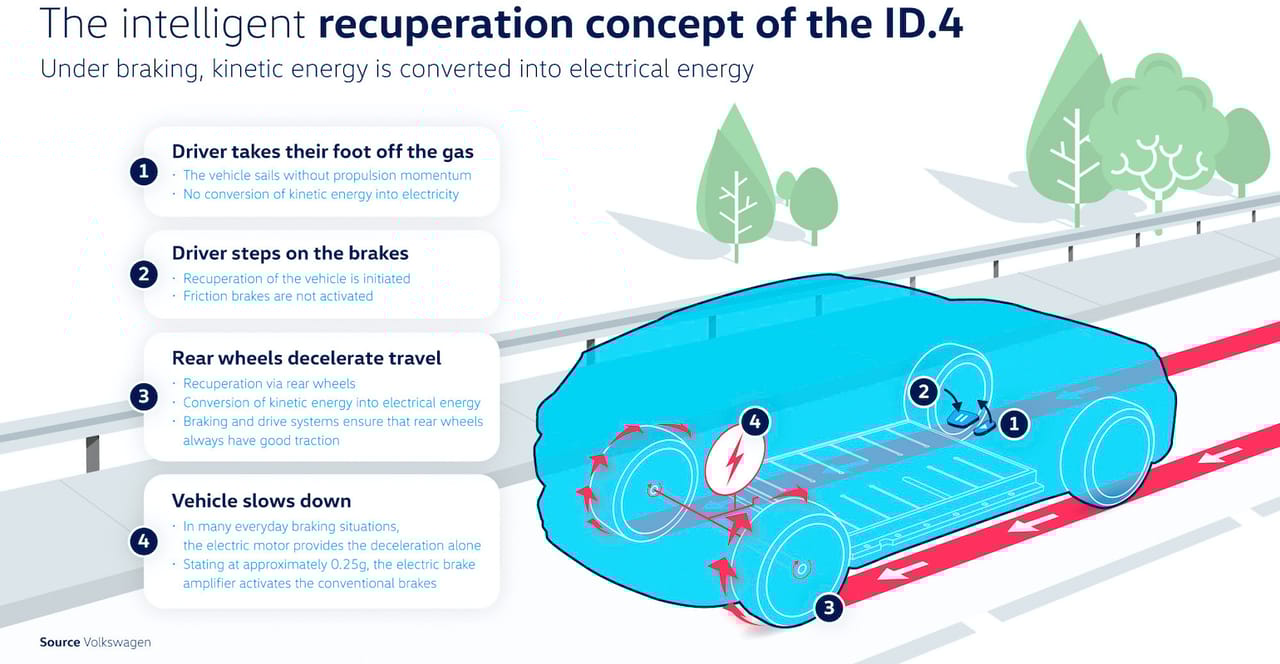
When a driver applies the brakes, the wheels slow down. Instead of losing energy as heat, regenerative braking captures it.
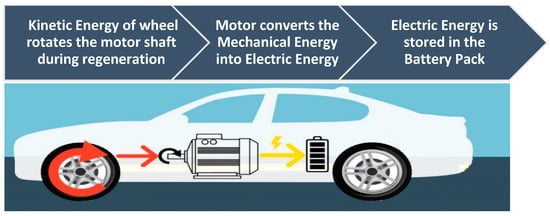
- The electric motor switches to generator mode.
- It converts kinetic energy from the wheels into electrical energy.
- The electrical energy flows to the battery for storage.
- Stored energy powers the vehicle later, improving efficiency.
Components Involved
| Component | Role |
|---|---|
| Electric Motor | Acts as a generator to convert motion to electricity |
| Battery | Stores the electrical energy for later use |
| Controller | Manages the flow of electricity between motor and battery |
| Brake Pedal | Signals when to start regenerative braking |
Comparison With Traditional Braking
Traditional brakes work by using friction to stop the vehicle. This friction turns motion energy into heat, wasting it.
Key differences include:
- Traditional brakes waste energy as heat.
- Regenerative braking saves energy by converting it to electricity.
- Regenerative systems reduce wear on brake parts.
- Traditional brakes provide stronger stopping power in emergencies.

Credit: www.everythingpe.com
Benefits Of Regenerative Braking
Regenerative braking helps save energy while slowing down a vehicle. It captures energy that normal brakes would waste.
This system offers many benefits for electric and hybrid cars. It improves how cars use energy and reduces wear on parts.
Improved Energy Efficiency
Regenerative braking recovers energy from slowing down. It sends this energy back to the battery for reuse.
This process reduces the need to use extra fuel or electricity. It helps vehicles travel farther on the same energy.
Extended Battery Life
Regenerative braking lowers the load on the battery. It keeps the battery charged longer during driving.
By recharging the battery often, it reduces deep discharges. This helps the battery last for many years.
Reduced Wear On Brake Systems
This system uses the electric motor to slow the vehicle first. It reduces the use of traditional brake pads and discs.
Less use of physical brakes means they last longer. It also lowers maintenance costs and the chance of brake failure.
Applications In Modern Vehicles
Regenerative braking saves energy by capturing it during braking. It helps improve fuel efficiency and reduce emissions.
This system is now common in many modern vehicles. It works by converting kinetic energy into electrical energy.
Electric Cars
Electric cars use regenerative braking to extend battery life. The system recovers energy to recharge the battery while slowing down.
This process helps increase driving range. It also reduces wear on the brake pads, lowering maintenance costs.
Hybrid Vehicles
Hybrid vehicles combine a gasoline engine and electric motor. Regenerative braking charges the battery without extra fuel use.
The system shifts energy back to the motor during braking. This improves fuel efficiency and lowers emissions in city driving.
Public Transportation
Buses and trains use regenerative braking to save energy. The recovered power helps run electrical systems or is stored for later use.
This technology reduces fuel consumption and cuts pollution in busy urban areas. It also lowers operating costs for transit systems.
Credit: www.mdpi.com
Challenges And Future Innovations
Regenerative braking helps save energy by turning motion into power. It faces some challenges that slow its progress. New ideas aim to fix these problems and improve the system.
Understanding the limits, costs, and new technologies helps us see what the future holds for regenerative braking.
Technical Limitations
Regenerative braking systems have limits in energy recovery. They work best at certain speeds and under specific conditions. Sometimes, they cannot capture all the braking energy.
- Efficiency drops at low speeds
- Energy storage is limited by battery size
- Braking feel may differ from traditional brakes
- System complexity requires careful design
Cost Considerations
Adding regenerative braking raises the vehicle’s price. It needs special parts and more work to install. These costs can make some buyers hesitate.
| Cost Factor | Impact on Price | Notes |
| Battery Size | High | Bigger batteries store more energy |
| Control Systems | Medium | Advanced software adds cost |
| Maintenance | Low | Less wear on traditional brakes |
Emerging Technologies
New ideas aim to improve how regenerative braking works. Scientists and engineers test new materials and designs. These could boost energy capture and lower costs.
Some future innovations include:
- Better battery chemistries for faster charging
- Supercapacitors to store and release energy quickly
- Improved brake control for smoother stops
- Lightweight materials to reduce vehicle weight
Frequently Asked Questions
What Is Regenerative Braking In Electric Vehicles?
Regenerative braking saves energy by turning vehicle motion into electricity during braking.
How Does Regenerative Braking Work In Simple Terms?
It uses the motor to slow the car and recharge the battery at the same time.
Why Is Regenerative Braking Important For Electric Cars?
It extends driving range by reusing energy that would otherwise be lost as heat.
Can Regenerative Braking Reduce Wear On Brakes?
Yes, it lowers brake use by slowing the car with the motor, saving brake parts.
Do All Electric Vehicles Have Regenerative Braking?
Most electric and hybrid cars use it, but not all models have this feature.
Conclusion
Regenerative braking helps save energy while driving. It turns braking force into power. This power charges the battery and extends driving range. Cars use it to improve fuel efficiency. It also lowers wear on brake parts. Many electric and hybrid vehicles have this feature.
Understanding it can help you drive smarter. It supports a cleaner, greener environment too. A simple yet useful technology worth knowing.


