Last Updated on November 25, 2025 by Aaron Blake
Have you ever wondered what keeps your car’s wheels turning smoothly, especially when you take sharp turns or drive on uneven roads? The secret lies in a small but powerful liquid called differential fluid.
This fluid plays a crucial role in protecting your vehicle’s differential, ensuring it works quietly and efficiently. If you want to avoid costly repairs and keep your ride running like new, understanding what differential fluid is and why it matters is a smart move.
Let’s dive in and uncover everything you need to know about this essential automotive fluid.

Credit: www.youtube.com
Contents
Role Of Differential Fluid
Differential fluid is a special oil used in a vehicle’s differential. It helps the parts inside work smoothly. This fluid reduces friction and heat.
Without good differential fluid, the gears can wear out quickly. The fluid keeps the differential running well and lasts longer.
Purpose In Vehicle Mechanics
The differential fluid lubricates the gears inside the differential. It stops metal parts from rubbing and breaking.
The fluid also helps to cool the differential parts. It carries heat away from the moving gears. This keeps the parts from overheating.
- Lubricates gears to reduce wear and tear
- Prevents overheating by cooling parts
- Protects against rust and corrosion
- Helps transfer power smoothly to wheels
Types Of Differential Fluids
There are several types of differential fluids. Each type fits different vehicle needs and conditions.
Choosing the right fluid helps the differential work best and last longer.
- Mineral-based fluids: Basic oils, used in older vehicles
- Synthetic fluids: Better performance and longer life
- Gear oils: Thick oils for heavy-duty use
- Limited-slip additives: Help special differentials work smoothly
Signs Of Differential Fluid Issues
Differential fluid helps keep your vehicle’s gears working smoothly. It stops parts from wearing out too fast.
If this fluid has problems, your vehicle might show certain signs. Knowing these signs can help you fix issues early.
Noise And Vibration Symptoms
Noises coming from your car can mean low or dirty differential fluid. You might hear whining or howling sounds.
Vibrations while driving may also happen. These sounds and shakes usually get worse with speed.
- Whining noise when accelerating or turning
- Howling or growling sounds from the rear or front
- Vibrations felt through the floor or steering wheel
Leaks And Fluid Levels
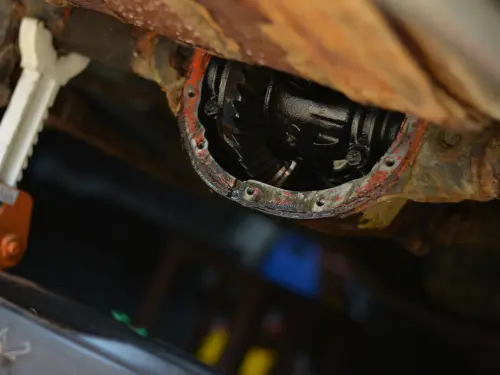
Leaking fluid is a clear sign of trouble. Check under your car for wet spots or puddles.
Low fluid levels cause poor lubrication. This leads to gear damage and more noise.
- Wet spots under the differential area
- Fluid stains on the ground after parking
- Check fluid level and color regularly
- Dark or dirty fluid means it needs changing
Changing Differential Fluid
The differential fluid lubricates the gears inside the differential. It helps reduce wear and tear from friction. Changing this fluid keeps the differential working well.
Old or dirty fluid can cause noise and damage. Regular changes protect your vehicle’s drivetrain. Follow the recommended schedule for best results.
Recommended Intervals
Most manufacturers suggest changing differential fluid every 30,000 to 60,000 miles. This depends on your driving conditions and vehicle type. Severe use may require more frequent changes.
- Check your owner’s manual for exact intervals.
- Change fluid sooner if you tow heavy loads.
- Inspect fluid color and smell during regular maintenance.
- Replace fluid if it looks dark or smells burnt.
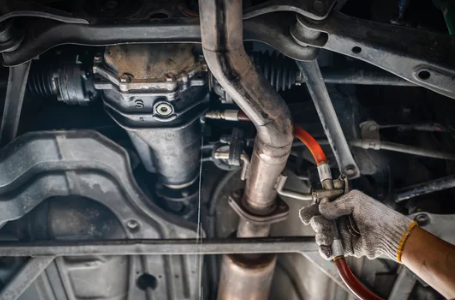
Step-by-step Replacement Process
Changing differential fluid is a straightforward task. You need the right tools and fluid type. Use gloves and protect the area to avoid spills.
- Lift the vehicle safely and secure it on jack stands.
- Locate the differential housing and clean the drain plug area.
- Place a container under the drain plug and remove the plug.
- Allow old fluid to drain completely.
- Remove the fill plug to let air in for faster draining.
- Replace the drain plug and tighten it securely.
- Fill the differential with new fluid until it reaches the fill hole level.
- Reinstall the fill plug and tighten it properly.
- Lower the vehicle and check for leaks.
- Test drive and listen for any unusual noises.
Credit: www.oakvilletoyota.ca
Benefits Of Proper Maintenance
Differential fluid helps your vehicle run smoothly. Keeping it clean and full is important.
Proper maintenance of differential fluid protects parts and saves money on repairs.
Extending Vehicle Lifespan
Good differential fluid reduces wear on gears and bearings. This stops parts from breaking early.
Changing the fluid regularly keeps the system running well. It helps your vehicle last longer.
- Prevents rust and corrosion inside the differential
- Keeps gears lubricated for smooth movement
- Reduces heat caused by friction
Improving Performance And Safety
Fresh differential fluid helps your vehicle handle better. It gives you more control on the road.
Clean fluid reduces noise and vibration. This makes driving safer and more comfortable.
- Improves traction by keeping gears working well
- Prevents sudden failures that can cause accidents
- Reduces wear that leads to poor handling
Credit: www.mjtruck.com
Frequently Asked Questions
What Is Differential Fluid Used For?
Differential fluid lubricates gears inside the vehicle’s differential. It reduces friction and prevents wear.
How Often Should Differential Fluid Be Changed?
Change differential fluid every 30,000 to 60,000 miles, depending on the vehicle and driving conditions.
What Happens If Differential Fluid Is Low?
Low differential fluid causes overheating, gear damage, and noisy operation, leading to costly repairs.
Can I Use Engine Oil Instead Of Differential Fluid?
No. Engine oil lacks the special additives needed for differential gear protection.
How Do I Check Differential Fluid Levels?
Locate the differential fill plug, remove it, and check if fluid reaches the bottom of the hole.
Conclusion
Differential fluid plays a key role in vehicle performance. It keeps gears running smoothly and reduces wear. Regular checks help avoid costly repairs later. Using the right fluid protects your differential system. Simple maintenance extends the life of your car parts.
Understanding this fluid helps you care for your vehicle. A small effort now saves trouble on the road. Keep your ride safe and reliable with proper fluid care.