Last Updated on November 25, 2025 by Aaron Blake
Have you ever felt your car suddenly slide on a wet road, as if you lost control for a moment? That frightening moment is called aquaplaning, and it can happen to anyone driving in rainy conditions.
Understanding what aquaplaning is and how to prevent it could save your life and protect your loved ones. You’ll discover simple yet powerful tips to keep your grip on the road, even when water tries to take over. Keep reading—your safety depends on it.
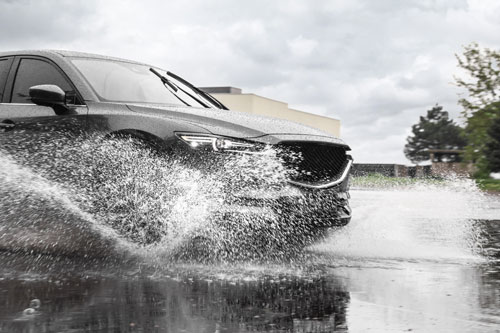
Credit: www.fdazar.com
Contents
Causes Of Aquaplaning
Aquaplaning happens when a tire loses contact with the road. Water builds up between the tire and the road surface. This makes the tire slide on the water layer instead of gripping the road.
Understanding the causes of aquaplaning helps drivers stay safe in wet conditions. Several factors can increase the risk of aquaplaning.
Water Depth On The Road
When water on the road is deep, tires cannot push it away fast enough. This causes a thin water layer between the tire and road. The tire then loses grip and slides on the water.
Tire Tread Condition
Tires with worn-out tread cannot channel water well. This increases aquaplaning risk. Good tread helps push water away and keep contact with the road.
- Check tire tread depth regularly
- Replace tires when tread is low
- Use tires designed for wet conditions
Vehicle Speed
Higher speeds increase aquaplaning risk. At high speed, tires can’t clear water fast enough. This causes the tire to ride on water instead of the road.
Road Surface Texture
Roads with smooth or worn surfaces hold more water. This makes aquaplaning more likely. Rough, textured roads help drain water faster.
| Road Surface Type | Aquaplaning Risk |
| New, rough asphalt | Low |
| Old, worn asphalt | High |
| Concrete with grooves | Medium |
Tire Pressure
Low tire pressure can cause the tire to flex more. This reduces its ability to push water away. Proper tire pressure helps maintain good road contact and lowers aquaplaning risk.

Credit: www.whocanfixmycar.com
Signs Of Aquaplaning
Aquaplaning happens when your tires lose contact with the road. Water builds up under the tires and lifts them up. This makes your car slide on water instead of gripping the road.
Recognizing the signs of aquaplaning helps you stay safe. You can react quickly and avoid accidents by knowing what to look for.
Loss Of Steering Control
You may notice that your steering wheel feels loose or unresponsive. The car may not turn as you expect. This happens because the tires are not gripping the road surface.
Sudden Skidding
Your vehicle can suddenly slide sideways or forward without braking or turning. Skidding is a clear sign that the tires are not in contact with the road, usually caused by aquaplaning.
Engine Revs Increase Without Speed Gain
You might see the engine rev higher even though your car is not moving faster. This means the wheels are spinning on water and not moving the car forward effectively.
Tire Tread Depth And Aquaplaning Risk
| Tire Tread Depth | Aquaplaning Risk |
| Above 4 mm | Low risk |
| 2 to 4 mm | Moderate risk |
| Below 2 mm | High risk |
Water Spray And Noise Changes
- You may see more water spraying from your tires than usual.
- The sound of tires on the road can become quieter or different.
- These changes happen because the tires are sliding on water.
Techniques To Avoid Aquaplaning
Aquaplaning happens when your tires lose grip on wet roads. Water builds up between tires and road, causing loss of control.
Learning safe driving techniques can help you avoid aquaplaning and stay safe in rainy conditions.
Drive Slowly In Wet Conditions
Reducing speed lowers the chance of aquaplaning. Water has more time to move away from tires at slower speeds.
Avoid Sudden Movements
Sudden braking, accelerating, or steering can cause loss of tire grip. Smooth, gentle actions keep tires in contact with the road.
Maintain Proper Tire Condition
Good tire tread helps channel water away from tires. Worn tires increase the risk of aquaplaning on wet roads.
- Check tire tread depth regularly
- Keep tires inflated to the correct pressure
- Replace tires if tread is below safe levels
Avoid Deep Water And Puddles
Driving through deep water increases aquaplaning risk. Try to steer clear of puddles and flooded areas.
Use Correct Driving Techniques If Aquaplaning Occurs
| Action | Reason |
| Ease off the accelerator | Reduces speed without sudden braking |
| Do not brake hard | Prevents sudden loss of control |
| Steer gently in direction of skid | Helps regain tire contact with the road |
Credit: www.continental-tires.com
Vehicle Maintenance Tips
Aquaplaning happens when your car tires lose contact with the road. Water builds up under the tires and makes the vehicle slide.
This loss of control can cause accidents. Proper vehicle maintenance helps reduce the risk of aquaplaning.
Check Tire Tread Depth
Tires with worn tread cannot channel water away well. This increases the chance of aquaplaning on wet roads.
Use a tread depth gauge or the penny test to check your tires often. Replace tires if the tread is too low.
Maintain Proper Tire Pressure
Under-inflated or over-inflated tires do not perform well in wet conditions. They reduce traction and stability.
- Check tire pressure monthly with a reliable gauge.
- Follow the vehicle manufacturer’s recommended tire pressure.
- Adjust pressure when carrying heavy loads or driving long distances.
Inspect Suspension And Alignment
Proper suspension and wheel alignment keep tires firmly on the road. Worn parts can increase the risk of aquaplaning.
Have your suspension and alignment checked during regular service visits. Fix problems quickly to improve safety.
Use Quality Tires For Wet Conditions
| Tire Type | Best Use | Aquaplaning Resistance |
| All-Season | General driving | Moderate |
| Wet Weather Tires | Rainy and wet roads | High |
| Performance Tires | Dry and controlled conditions | Low |
Regularly Rotate Tires
Tire rotation helps even out wear on all tires. Evenly worn tires improve grip and reduce aquaplaning risks.
Follow the rotation schedule in your vehicle manual. Ask your mechanic if you are unsure about the process.
Frequently Asked Questions
What Is Aquaplaning In Driving?
Aquaplaning happens when tires lose grip on wet roads, causing a car to slide uncontrollably.
How Does Aquaplaning Affect Vehicle Control?
It reduces steering, braking, and acceleration control, making the car harder to handle safely.
Which Factors Increase The Risk Of Aquaplaning?
High speed, worn tires, and deep water on the road raise the chance of aquaplaning.
What Are The Best Ways To Prevent Aquaplaning?
Drive slower in rain, keep tires properly inflated, and avoid puddles to reduce aquaplaning risk.
How Should You React If Your Car Aquaplanes?
Stay calm, ease off the accelerator, and steer gently in the direction you want to go.
Conclusion
Aquaplaning can cause serious car control problems on wet roads. Drive slowly when roads are wet to reduce risk. Keep your tires properly inflated and check tread depth often. Avoid sharp turns and sudden braking in rainy conditions. Staying alert helps you react quickly if aquaplaning happens.
Safe driving habits protect you and others on the road. Remember, cautious driving is the best way to prevent aquaplaning.