Role Of Pistons In An Engine: Key Functions & Performance Boost
Last Updated on August 17, 2026
Have you ever wondered what makes your car’s engine come alive every time you turn the key? The answer lies in a small but powerful part called the piston.
Pistons play a crucial role in how your engine works, turning fuel into the power that moves your vehicle. Understanding how pistons function can give you a deeper appreciation of your engine’s performance and help you make smarter choices about maintenance and repairs.
Keep reading, and you’ll discover exactly why pistons are the heart of your engine and how they keep everything running smoothly.
Piston Basics
Pistons are vital parts inside an engine. They move up and down in the cylinder.
This movement helps convert fuel into power to run the vehicle.
Design And Material
Pistons must be strong and light. They face high heat and pressure inside engines.
Most pistons are made from aluminum alloys. This material is light and handles heat well.
- Aluminum alloys offer good strength-to-weight ratio
- Steel pistons are used in high-performance engines
- Design includes grooves for piston rings
- Shape affects engine efficiency and power
How Pistons Fit In Engines
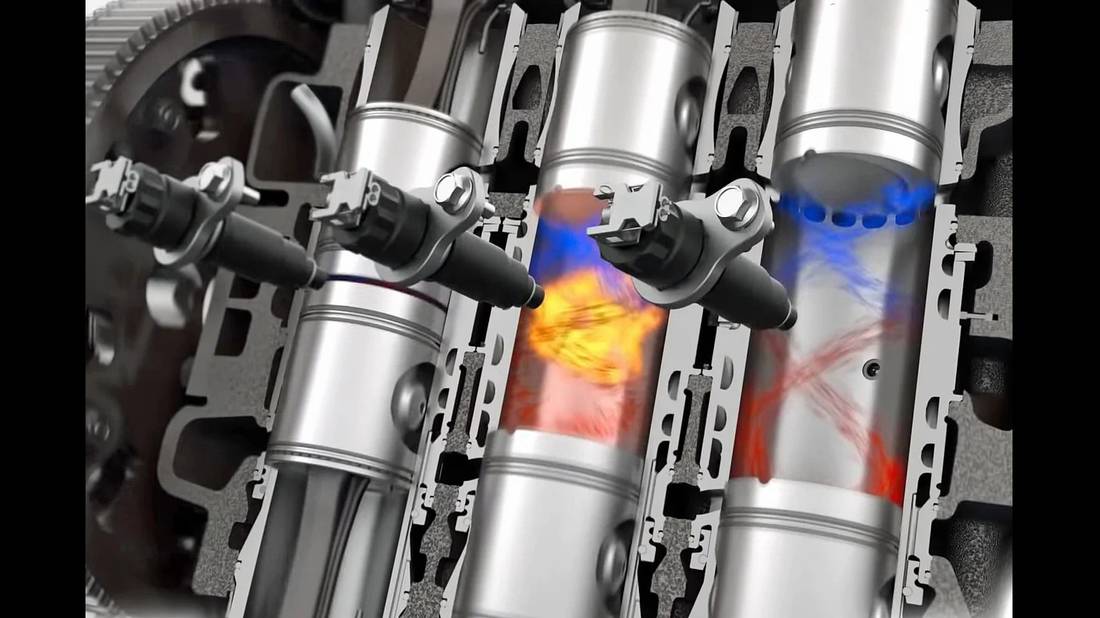
Pistons fit tightly inside engine cylinders. This seal helps keep the combustion pressure inside.
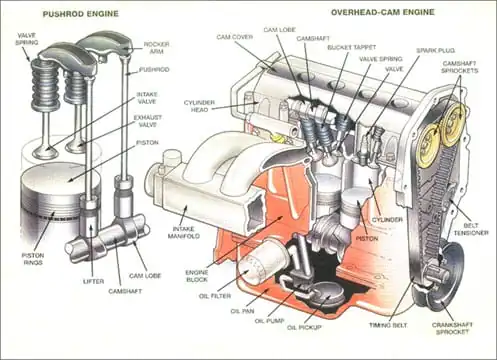
The piston connects to the crankshaft with a rod. This changes the piston’s up-and-down motion to rotary motion.
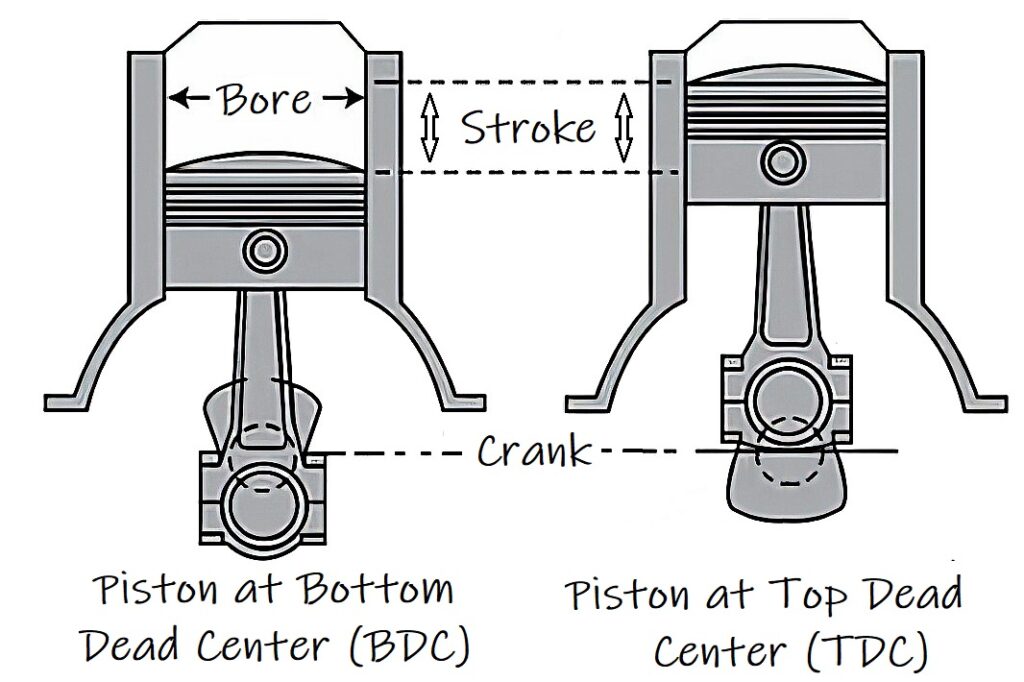
- Piston moves inside cylinder bore
- Piston rings seal the gap between piston and cylinder
- Connecting rod links piston to crankshaft
- Proper fit reduces engine wear and loss of power
Credit: www.hotcars.com
Key Functions Of Pistons
Pistons play a vital role in the operation of an engine. They help convert fuel into mechanical energy. Each piston moves up and down inside the engine cylinder.
This movement allows the engine to work properly. The pistons perform several important tasks during the engine cycle.
Compressing Air-fuel Mixture
The piston compresses the air and fuel mixture inside the cylinder. This compression increases the pressure and temperature of the mixture.
- As the piston moves up, it reduces the volume in the cylinder.
- This forces the air-fuel mixture into a smaller space.
- Higher compression helps the fuel burn more efficiently.
- Efficient burning leads to better engine power and fuel economy.
Transferring Force To Crankshaft
After the fuel burns, it creates high pressure that pushes the piston down. The piston then transfers this force to the crankshaft.
| Component | Function |
| Piston | Moves up and down inside the cylinder |
| Connecting Rod | Connects piston to crankshaft |
| Crankshaft | Converts piston movement into rotary motion |
Piston Impact On Engine Performance
Pistons are key parts inside an engine. They move up and down in the cylinders.
Their movement helps change fuel into power. This affects how well the engine works.
Influence On Power Output
Pistons help create the power that moves a vehicle. The size and shape of pistons matter.
Larger pistons can hold more air and fuel. This makes the engine stronger and faster.
- Bigger pistons increase power output
- Light pistons allow faster engine speed
- Strong pistons handle high pressure well
Effect On Fuel Efficiency
Pistons also affect how much fuel an engine uses. Good piston design saves fuel.
When pistons fit well, engines waste less fuel. This helps cars drive farther on less gas.
- Tight piston fit reduces fuel leaks
- Light pistons lower engine work
- Efficient pistons improve combustion
Credit: www.carparts.com
Enhancing Pistons For Better Performance
Pistons play a key role in engine power and efficiency. Improving pistons helps engines run smoother and last longer.
This article looks at how new materials and smart designs make pistons better for engines.
Upgrading Materials And Coatings
Using strong materials and special coatings can help pistons resist heat and wear. This keeps engines reliable under tough conditions.
- Aluminum alloys reduce piston weight and improve heat transfer.
- Forged pistons are stronger than cast ones, handling more pressure.
- Coatings like ceramic reduce friction and protect against heat.
- Diamond-like carbon coatings lower wear and improve durability.
Optimizing Piston Design
Design changes can improve piston efficiency and engine output. Shapes and sizes affect how pistons move and handle pressure.
| Design Feature | Benefit | Effect on Performance |
| Reduced skirt size | Less friction | Smoother piston movement |
| Optimized crown shape | Better combustion | More power and fuel efficiency |
| Lightweight design | Lower inertia | Faster engine response |
| Improved ring lands | Better sealing | Less oil consumption |
Credit: www.sunautoservice.com
Frequently Asked Questions
What Is The Main Function Of Pistons In An Engine?
Pistons move up and down to convert fuel energy into mechanical power.
How Do Pistons Affect Engine Performance?
Pistons control the pressure inside cylinders, impacting engine power and efficiency.
What Materials Are Commonly Used To Make Pistons?
Pistons are usually made from aluminum or steel for strength and heat resistance.
Why Do Pistons Need To Fit Tightly In Cylinders?
A tight fit prevents gas leaks and maintains engine compression for better power.
How Often Should Pistons Be Inspected Or Replaced?
Pistons should be checked during major engine services or if performance drops.
Conclusion
Pistons play a key role in engine function and power. They move up and down, helping to turn fuel into motion. Without pistons, engines cannot work or make cars move. Understanding pistons helps us appreciate how engines run smoothly. They connect many engine parts and keep things moving inside.
Keeping pistons in good shape helps engines last longer. Small parts, big impact. Pistons truly drive the heart of every engine.