

What Is Engine Flush: Ultimate Guide to Cleaner, Stronger Engines
Last Updated on August 17, 2026
Have you ever wondered what’s really inside your car’s engine? Over time, dirt, sludge, and old oil can build up, slowing your engine down and causing problems you don’t want to face.
That’s where an engine flush comes in. But what exactly is an engine flush, and how can it help your vehicle run smoother and last longer? You’ll discover everything you need to know about engine flushes—why they matter, how they work, and whether your car needs one.
Keep reading to unlock the secrets to a healthier engine and better performance.
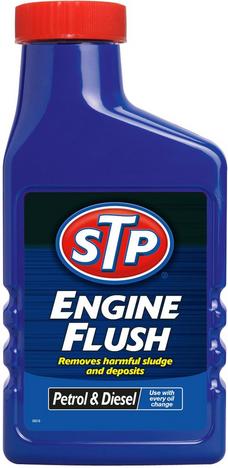
Credit: www.halfords.ie
Purpose Of Engine Flush
An engine flush is a process that cleans the inside of an engine. It removes harmful buildup that can affect engine parts.
People use engine flush to keep their engines running smoothly and last longer.
Removing Deposits And Sludge
Over time, engines collect deposits and sludge from old oil and dirt. These substances can block oil flow and damage engine parts.
An engine flush helps break down and remove these deposits. It clears the engine’s internal parts so oil can move freely.
- Breaks down thick sludge
- Removes sticky deposits
- Clears oil passages
Enhancing Engine Performance
Cleaning the engine improves how well it works. It helps the engine run more smoothly and efficiently.
Regular engine flushes can reduce engine noise and improve fuel use. This keeps the engine in better shape for longer.

Credit: www.amazon.ca
Types Of Engine Flush Products
Engine flush products clean the inside of your engine. They remove sludge, deposits, and dirt. These products help keep your engine running smoothly.
There are two main types of engine flush products. Each works differently to clean the engine.
Chemical Additives
Chemical additives are liquids added to the engine oil before an oil change. They dissolve sludge and deposits inside the engine parts.
- Easy to use by pouring into the oil filler
- Works during engine idling or light driving
- Breaks down harmful deposits
- Helps improve oil flow
- Safe if used as directed
Machine-based Flushes
Machine-based flushes use special equipment to clean the engine. The machine circulates cleaning fluids through the engine system.
| Feature | Chemical Additives | Machine-Based Flushes |
| Method | Added to engine oil | Circulates cleaning fluid with machine |
| Cleaning Power | Moderate | Strong |
| Use | Simple, done by vehicle owner | Requires professional service |
| Time | Short, during normal driving | Longer, during machine operation |
| Cost | Lower | Higher |
How To Perform An Engine Flush
An engine flush cleans harmful deposits inside your engine. It helps remove sludge and improve engine performance.
Performing an engine flush requires careful steps to protect your engine and ensure good results.
Step-by-step Process
Follow these steps to perform an engine flush safely and effectively.
- Warm up the engine by running your car for a few minutes.
- Turn off the engine and add the engine flush product to the oil filler.
- Start the engine and let it run idle for the time shown on the flush product instructions.
- Turn off the engine and drain the old oil completely.
- Replace the oil filter with a new one.
- Refill the engine with fresh oil as recommended by your vehicle’s manual.
- Start the engine again and check for leaks or unusual noises.
Safety Precautions
Take these safety measures before and during the engine flush to avoid damage or injury.
| Precaution | Reason |
| Use gloves and eye protection | Protect skin and eyes from chemicals |
| Work in a well-ventilated area | Prevent inhalation of harmful fumes |
| Do not overfill engine flush product | Prevent engine damage from excess chemicals |
| Follow product instructions exactly | Ensure safe and effective cleaning |
| Dispose of old oil properly | Protect environment from pollution |
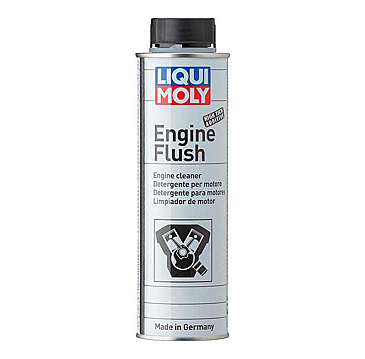
Credit: www.liqui-moly.com
Benefits And Risks
An engine flush cleans harmful deposits from your car’s engine. It uses special liquids to remove sludge and dirt.
This process can improve engine performance but also has some risks. Knowing both helps you decide if it is right for your car.
Improved Fuel Efficiency
Engine flush clears out sludge that blocks engine parts. This helps the engine run smoother and use fuel better.
With less buildup, fuel burns more fully. This can reduce fuel consumption and save money on gas.
- Removes harmful deposits
- Improves engine smoothness
- Helps fuel burn more fully
- Can lower fuel costs
Potential Engine Damage
Using an engine flush incorrectly can cause damage. Some chemicals may harm seals and gaskets inside the engine.
Flushing too often or with the wrong product can loosen large debris. This debris might block oil passages and hurt the engine.
- Harms engine seals and gaskets
- Loosens large debris
- Can block oil passages
- May cause engine problems
Frequently Asked Questions
What Is An Engine Flush And Why Is It Needed?
An engine flush cleans old oil and sludge from inside the engine. It helps keep the engine healthy.
How Often Should I Do An Engine Flush?
Usually, every 30,000 to 50,000 miles is good. Check your car manual or ask a mechanic.
Can Engine Flush Improve Car Performance?
Yes, it can remove dirt and improve oil flow, which helps the engine run smoother.
Is Engine Flush Safe For All Types Of Engines?
Most modern engines handle it well, but some older or high-mileage engines may need caution.
What Are Signs My Engine Needs A Flush?
Look for rough idling, poor fuel economy, or noisy engine parts. These can mean sludge build-up.
Conclusion
Engine flush helps clean your car’s engine from dirt and sludge. It improves oil flow and engine performance. Regular flushes can prevent engine problems and costly repairs. Use the right flush product and follow instructions carefully. Keep your engine healthy and running smoothly with proper care.
Simple steps make a big difference in car maintenance. Remember, clean engines last longer and work better. A small effort now saves money later.


