Last Updated on November 25, 2025 by Aaron Blake
Have you ever walked into a workshop and felt instantly overwhelmed by clutter and chaos? Imagine how much smoother your work could be if everything had its place.
The importance of workshop organization goes far beyond just tidiness—it boosts your efficiency, saves you time, and even protects your safety. When your tools and materials are easy to find, you can focus on what really matters: getting the job done right.
Ready to transform your workspace into a powerhouse of productivity? Keep reading to discover simple, effective ways to organize your workshop and unlock your full potential.

Credit: uxdesign.cc
Contents
Benefits Of Organized Workshops
Organized workshops create a clear structure for learning. They help participants focus on key topics and skills.
Good organization saves time and reduces stress for both hosts and attendees. It makes the event more enjoyable and productive.
Improved Learning Experience
When workshops are well-organized, participants understand the goals and follow the schedule easily. This clarity helps them learn better.
Better Time Management
Organized workshops run on time. They avoid long breaks or delays. This respect for time keeps everyone engaged.
Enhanced Participation
Participants take part more when the workshop has clear rules and activities. This leads to better discussions and teamwork.
- Clear agenda
- Defined roles for speakers and helpers
- Interactive sessions
- Time for questions
Efficient Resource Use
Organizing a workshop well means using materials and spaces wisely. This lowers costs and reduces waste.
| Resource | Benefit |
| Venue | Fits the number of participants comfortably |
| Materials | Only necessary handouts and tools are used |
| Technology | Supports presentations and interactions smoothly |
Stronger Networking Opportunities
When workshops are planned well, there is time and space for people to meet and connect. This builds useful relationships.
Organized networking can include:
- Breakout groups
- Meet and greet sessions
- Contact sharing activities

Credit: www.lemonthistle.com
Key Elements For Workshop Planning
Organizing a workshop needs careful planning. Good preparation helps the event run smoothly.
This guide covers the key elements that make workshop planning effective. Each part is important for success.
Setting Clear Objectives
Define what you want to achieve with the workshop. Clear goals guide the content and activities.
Objectives help participants understand the purpose and what they will learn.
Choosing The Right Venue
Select a location that fits the number of attendees. The place should be comfortable and accessible.
Consider seating, lighting, and equipment availability at the venue.
Planning The Agenda
Create a schedule that balances presentations and interactive sessions. Keep breaks to avoid fatigue.
- Start with an introduction to set expectations.
- Include time for questions and group discussions.
- End with a summary and next steps.
Preparing Materials And Resources
Gather all necessary materials before the workshop. This includes handouts, slides, and tools.
| Material | Purpose | Prepared By |
| Presentation Slides | Explain Topics | Facilitator |
| Handouts | Support Learning | Organizer |
| Markers and Flipcharts | Group Activities | Support Staff |
Managing Participant Engagement
Keep participants active and involved. Use questions and group tasks to maintain interest.
Good engagement helps people remember the content and enjoy the workshop.
Strategies To Enhance Workshop Efficiency
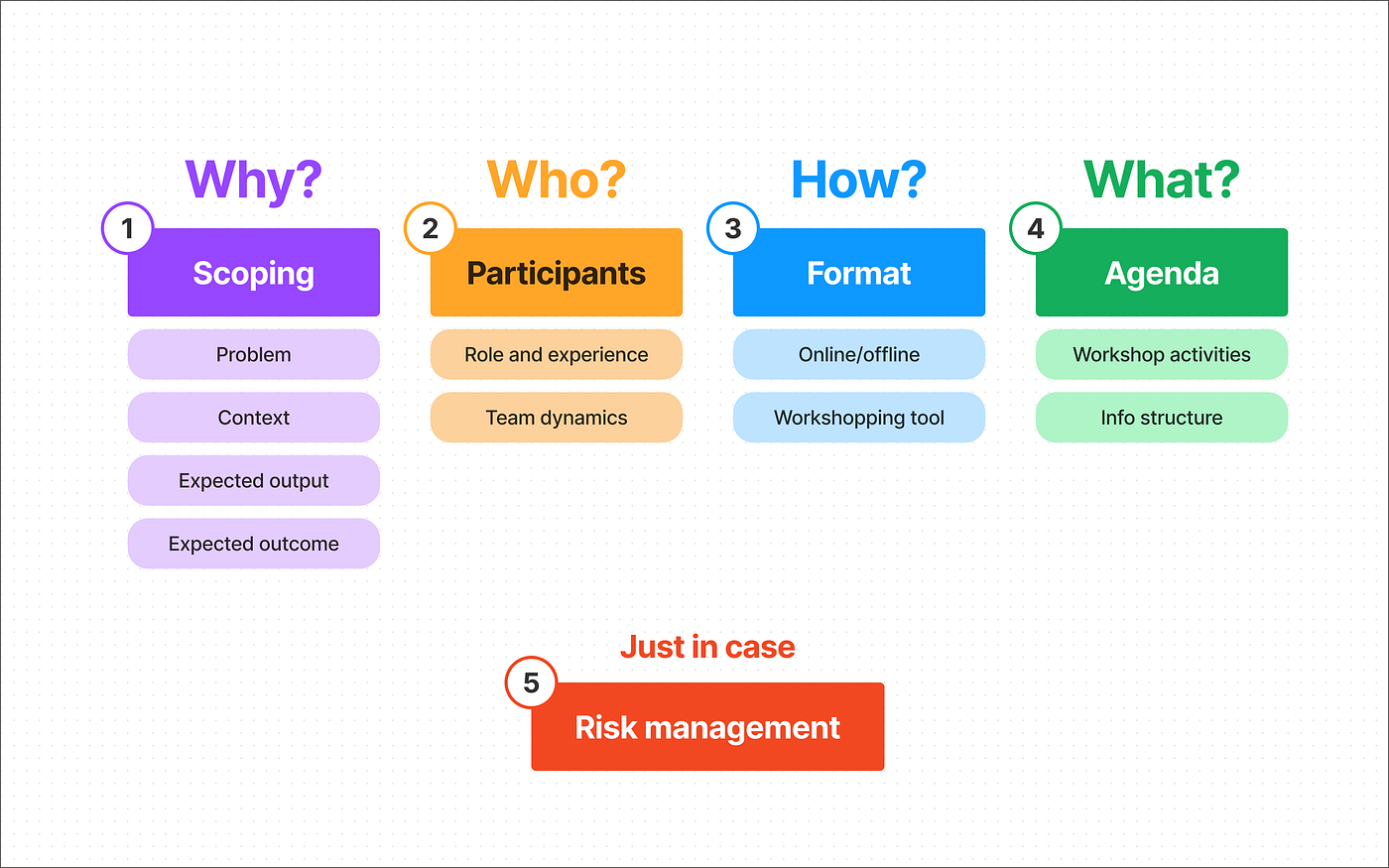
Organizing workshops well helps save time and effort. It also improves learning and participation. Using clear strategies will make workshops run smoothly.
Good planning and management are key to a successful workshop. This guide shows useful ways to boost workshop efficiency.
Set Clear Objectives
Start by defining what you want to achieve. Clear goals guide the activities and keep the workshop focused. Share these objectives with all participants before the event.
Prepare Materials In Advance
Having all materials ready before the workshop saves time. Prepare handouts, slides, and tools early. This prevents delays and confusion during the session.
Manage Time Effectively
Plan a clear schedule with start and end times for each activity. Stick to the timetable to keep the workshop on track. Allow short breaks to keep energy levels high.
- Start on time and end on time
- Limit each topic to a set time
- Use timers if needed
- Include breaks every 60-90 minutes
Engage Participants Actively
Active participation helps learning and keeps interest high. Use group work, questions, and discussions. Encourage sharing ideas and experiences.
Use Technology Wisely
Technology can improve workshop flow. Use projectors, microphones, and online tools. Test all devices before the workshop starts to avoid problems.
| Technology Tool | Purpose |
| Projector | Display slides and videos |
| Microphone | Help all hear clearly |
| Online Polls | Gather instant feedback |
| Video Conferencing | Include remote participants |
Evaluate And Improve
After the workshop, ask for feedback. Use surveys or quick polls to learn what worked well and what did not. Use this information to improve future workshops.
Credit: medium.com
Measuring Workshop Success
Measuring the success of a workshop helps organizers improve future events. It shows what worked well and what needs change.
Tracking results gives clear feedback from participants and guides better planning. It ensures workshops meet their goals effectively.
Setting Clear Goals
Start by defining what the workshop aims to achieve. Clear goals help measure if the event was successful.
Goals can include skills learned, knowledge gained, or participant satisfaction. Each goal needs ways to track progress.
Collecting Participant Feedback
Feedback shows how participants feel about the workshop. It reveals what they liked and what can improve.
- Use surveys with simple questions
- Ask for ratings on content and delivery
- Include open-ended questions for suggestions
- Collect feedback immediately after the event
Measuring Learning Outcomes
Check if participants gained the skills or knowledge intended. Tests and quizzes can measure learning clearly.
| Method | Description | Purpose |
| Pre-Workshop Quiz | Test before the workshop | Know starting skill levels |
| Post-Workshop Quiz | Test after the workshop | Measure knowledge gained |
| Practical Tasks | Hands-on exercises | Check real skill use |
| Group Discussions | Talks on key topics | Assess understanding |
Tracking Attendance And Engagement
Attendance shows how many people joined. Engagement reveals how active they were during sessions.
- Note participation in activities
- Count questions asked
- Observe group work involvement
- Use digital tools for interaction
Frequently Asked Questions
What Is The Main Benefit Of Workshop Organization?
Good workshop organization saves time and helps work run smoothly and safely.
How Does Organization Improve Workshop Safety?
Organized tools and space reduce accidents and make it easier to spot hazards.
Why Is Workshop Organization Important For Productivity?
A tidy workshop helps find tools fast and cuts down wasted time.
How Can Workshop Organization Reduce Costs?
Less damage and waste happen when everything is stored and handled properly.
What Are Simple Steps To Organize A Workshop Effectively?
Sort tools, label storage, clean regularly, and plan the workspace layout.
Conclusion
Organizing workshops well saves time and avoids confusion. Clear plans help everyone stay focused and productive. Good organization improves learning and sharing of ideas. It creates a positive experience for both hosts and participants. Simple steps like scheduling and clear communication make a big difference.
Well-run workshops build strong teamwork and trust. This leads to better results and happy attendees. Small efforts in planning bring great rewards. A well-organized workshop is always worth the work.