Last Updated on November 25, 2025 by Aaron Blake
Have you ever wondered why your vehicle’s performance sometimes feels off or why fuel efficiency drops without a clear reason? The secret often lies in something you might overlook: fuel additives.
These small but powerful substances can make a huge difference in how your engine runs, how much fuel you use, and even how long your vehicle lasts. If you want to save money, protect your engine, and get the most out of every tank, understanding the importance of fuel additives is a must.
Keep reading to discover how these little helpers can transform your driving experience.
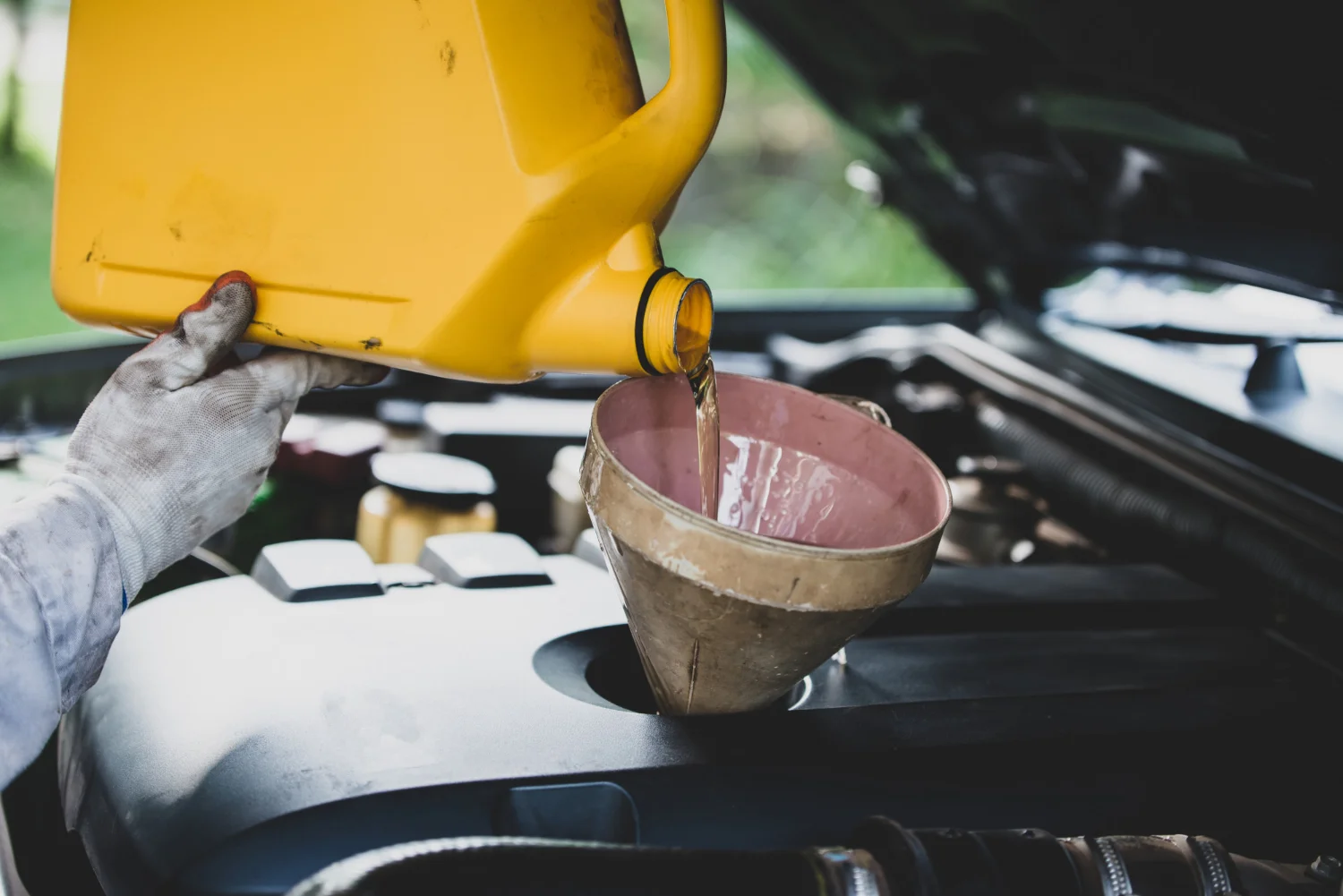
Credit: dieselcomponentsinc.com
Contents
Role Of Fuel Additives
Fuel additives play an important role in improving engine performance. They help keep engines clean and running smoothly.
These chemicals work by enhancing fuel quality and protecting engine parts from damage.
Types Of Fuel Additives
There are several common types of fuel additives. Each type has a specific function to improve fuel and engine health.
- Detergents: Clean fuel injectors and prevent deposits.
- Stabilizers: Keep fuel fresh during storage.
- Anti-corrosion agents: Protect metal parts from rust.
- Octane boosters: Increase fuel’s octane rating for better combustion.
- Anti-icing additives: Prevent ice buildup in fuel lines.
- Lubricants: Reduce friction in engine components.
How Additives Work In Engines
Fuel additives work by interacting with fuel and engine parts to improve efficiency. They help engines burn fuel cleaner and reduce wear.
| Additive Type | Function |
| Detergents | Remove carbon deposits from injectors and valves |
| Stabilizers | Prevent fuel breakdown and gum formation |
| Anti-corrosion agents | Protect fuel tanks and fuel lines from rust |
| Octane boosters | Enhance combustion quality to avoid knocking |
| Anti-icing additives | Stop ice from blocking fuel flow in cold weather |
| Lubricants | Lower friction and wear on engine parts |

Credit: pubs.acs.org
Enhancing Engine Performance
Fuel additives help improve how engines work. They keep engines clean and running smoothly.
Using the right additives can protect parts and reduce wear. This helps the engine last longer.
Improving Fuel Efficiency
Fuel additives can make fuel burn cleaner and better. This helps the engine use less fuel for the same work.
Cleaner fuel means fewer deposits on engine parts. This keeps the engine running at its best.
- Reduces fuel waste
- Helps engine parts stay clean
- Supports smooth fuel flow
- Improves combustion process
Boosting Power Output
Fuel additives can increase engine power by improving fuel quality. Better fuel means the engine can perform stronger.
They help engines burn fuel more completely. This results in more energy and better acceleration.
- Enhances fuel combustion
- Reduces engine knocking
- Improves throttle response
- Supports consistent power delivery
Extending Engine Life
Fuel additives help engines run cleaner and last longer. They protect key parts from damage and keep performance steady.
Using fuel additives regularly can reduce engine problems. This keeps the engine working well for many years.
Preventing Deposit Build-up
Deposits form inside the engine and fuel system. They block fuel flow and reduce efficiency. Fuel additives clean these deposits and stop new ones from forming.
- Remove dirt and carbon deposits
- Keep fuel injectors clean
- Improve fuel combustion
- Prevent clogged filters and valves
Reducing Wear And Tear
Fuel additives add a protective layer on engine parts. This reduces friction and wear. Less wear means parts last longer and the engine runs smoothly.
| Benefit | Effect on Engine |
| Lubrication | Reduces friction between parts |
| Corrosion protection | Prevents rust and metal damage |
| Heat resistance | Keeps parts cool under pressure |
| Improved sealing | Stops leaks and maintains pressure |
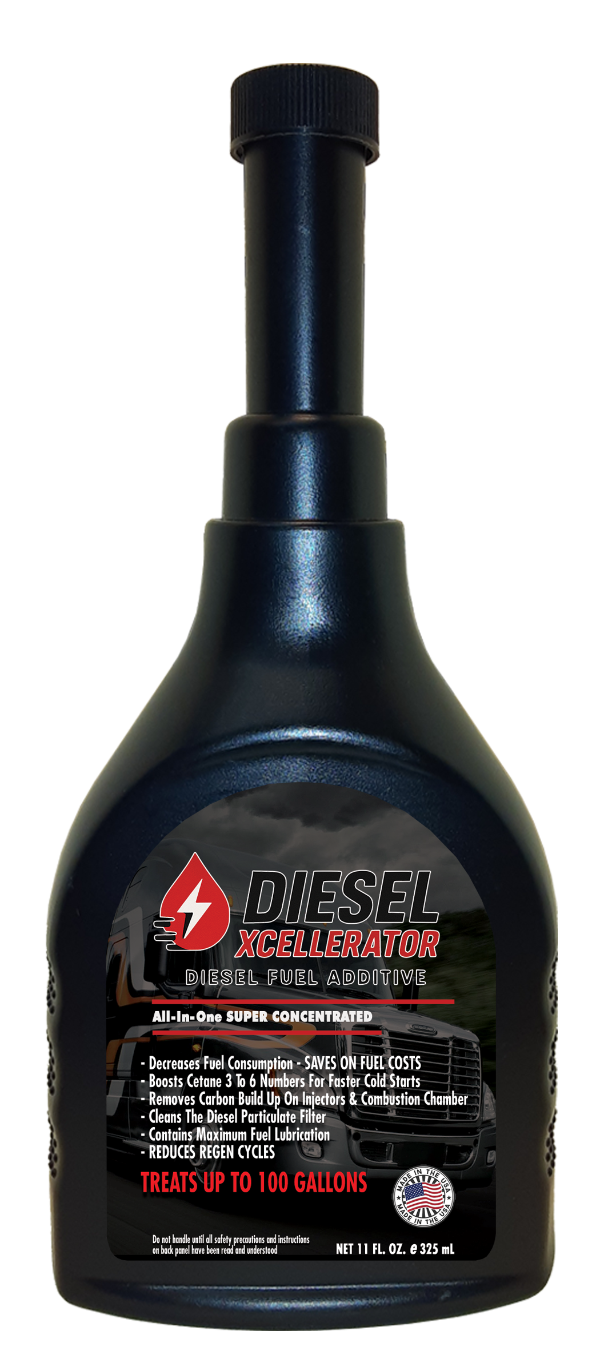
Credit: www.bestlineracing.com
Choosing The Right Additives
Fuel additives help keep engines clean and running well. Picking the right additive can improve fuel efficiency and protect parts.
Not all additives work for every engine. It is important to choose additives made for your engine type.
Matching Additives To Engine Type
Different engines need different additives. Gasoline and diesel engines use additives that suit their fuel and design.
Using the wrong additive can harm your engine or lower its performance. Always check the additive label for engine compatibility.
- Gasoline engines need additives that clean fuel injectors and prevent deposits.
- Diesel engines require additives to reduce soot and improve lubrication.
- Two-stroke engines use additives that mix with oil for proper combustion.
- High-performance engines may need special additives to handle stress and heat.
Tips For Safe Usage
Use additives safely by following the instructions on the product. Overuse can cause damage or waste money.
Keep additives away from children and store them in a cool, dry place. Use proper tools to measure and pour additives.
- Read the label carefully before use.
- Use the correct dose recommended by the manufacturer.
- Wear gloves if needed to avoid skin contact.
- Store additives in original containers with labels.
- Dispose of empty containers safely following local rules.
Frequently Asked Questions
What Are Fuel Additives And Why Are They Used?
Fuel additives are chemicals added to fuel to improve engine performance and reduce wear.
How Do Fuel Additives Improve Engine Efficiency?
They clean engine parts, reduce deposits, and help fuel burn cleaner and smoother.
Can Fuel Additives Protect Engines From Damage?
Yes, they prevent rust, corrosion, and reduce buildup that can harm the engine.
Do Fuel Additives Help Reduce Harmful Emissions?
Fuel additives lower smoke and harmful gases by improving fuel combustion quality.
How Often Should Fuel Additives Be Used In Vehicles?
Using additives every few thousand miles helps maintain engine health and fuel efficiency.
Conclusion
Fuel additives help keep engines clean and running well. They improve fuel efficiency and reduce harmful emissions. Using the right additives can protect your engine from damage. It saves money on repairs and maintenance in the long run. Clean fuel means better performance and longer engine life.
Small steps like these make a big difference. Consider fuel additives as part of your vehicle care routine. Your engine will thank you with smoother rides and fewer problems. Simple and smart.