Last Updated on November 25, 2025 by Aaron Blake
Have you ever faced a flat tire only to discover your spare tire was flat too? It’s a frustrating situation that can turn a simple problem into a stressful emergency.
Checking your spare tire might seem like a small task, but it can save you from unexpected delays, extra expenses, and even safety risks. You’ll learn why making sure your spare tire is ready to use is one of the smartest things you can do for your car—and your peace of mind.
Keep reading to find out how a quick check can keep you safe and prepared on the road.

Credit: autos.yahoo.com
Contents
Spare Tire Safety Basics
Spare tires are a vital part of vehicle safety. They help you keep moving after a flat tire.
Checking your spare tire regularly keeps it ready for emergencies. This guide explains key safety points.
Proper Inflation
A spare tire must have the right air pressure. Too low or too high pressure can cause problems during use.
Check the tire pressure monthly using a tire gauge. Follow the vehicle’s manual for the correct pressure.
Tire Condition
Look for cracks, dry rot, or damage on the spare tire. Old or damaged tires may fail when needed.
- Inspect the tread for wear and tear
- Check for cuts or punctures on the surface
- Remove any debris lodged in the tire
- Replace the spare tire if it is older than 6 years
Accessibility And Tools
Make sure the spare tire is easy to reach in your vehicle. Also, check that the jack and lug wrench are present.
| Item | Check | Notes |
| Spare Tire | Properly secured | Not loose or missing |
| Jack | Present and functional | Can lift the vehicle safely |
| Lug Wrench | Available | Fits your vehicle’s lug nuts |
Driving On A Spare
Spare tires are usually smaller and less durable than regular tires. Drive slowly and avoid long distances.
- Keep speed under 50 mph
- Do not drive more than 50 miles
- Replace or repair the original tire as soon as possible
Credit: www.rd.com
Common Spare Tire Issues
Spare tires often sit unused for long periods. Many drivers forget to check them regularly.
Ignoring spare tire problems can cause trouble during emergencies. It is important to know common issues.
Flat Or Low Air Pressure
Spare tires lose air over time. A flat or low-pressure spare tire may not work when needed.
Dry Rot And Cracks
Rubber on spare tires can dry out and crack. This weakens the tire and increases the risk of failure.
Worn Tread
Spare tires may have worn tread if they are old or used before. Worn tread reduces grip and safety.
Incorrect Size Or Type
Using the wrong size or type of spare tire can cause handling problems. Always check tire specifications.
Damaged Or Rusted Rim
A damaged or rusted rim can make it hard to mount the spare tire. It also may cause air leaks.
- Check air pressure monthly
- Inspect tire rubber for cracks
- Measure tread depth regularly
- Verify tire size matches your vehicle
- Look for rust or damage on the rim
How To Inspect Spare Tires
Spare tires are important for safety during emergencies. Checking them regularly ensures they work when needed.
Proper inspection helps avoid problems such as flat tires or poor traction on the road.
Check Tire Pressure
Always measure the air pressure in your spare tire. Use a reliable pressure gauge to get an accurate reading.
Keep the pressure at the level recommended by your vehicle’s manufacturer. Low pressure can cause poor performance and damage.
Inspect For Physical Damage
Look for cracks, cuts, or punctures on the tire surface. Check both the tread and sidewall carefully.
Remove any objects stuck in the tire, like nails or glass. Damaged tires need repair or replacement.
Examine Tire Tread Depth
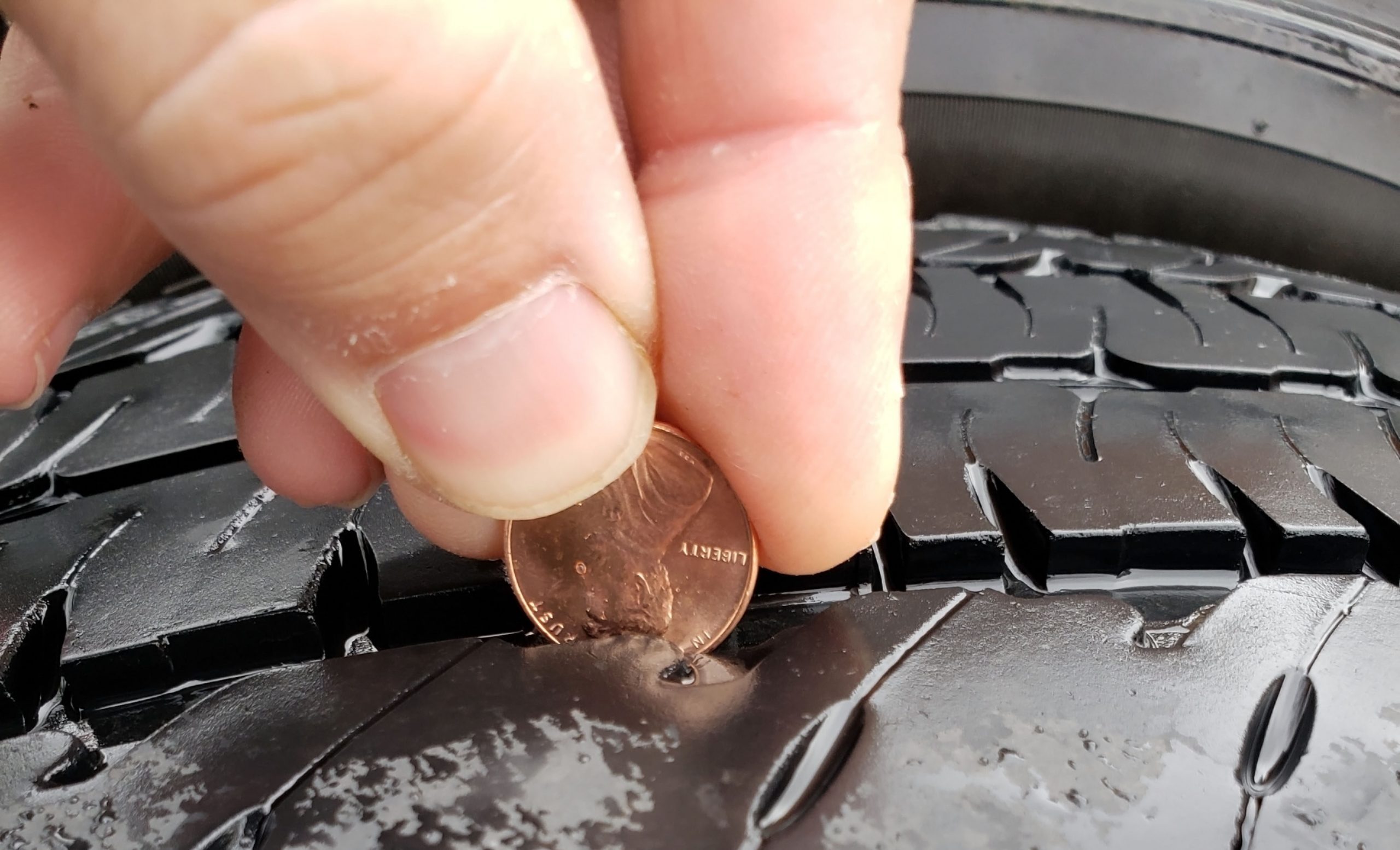
Good tread depth helps the tire grip the road. Use a tread depth gauge or a simple coin test.
- Insert a coin into the tread grooves.
- If you see the top of the coin, the tread is too shallow.
- Replace the tire if tread depth is below safety limits.
Check Tire Age
Tires get old even if unused. Look for the manufacturing date on the tire sidewall.
| Age of Tire | Recommended Action |
| Less than 5 years | Safe to use if no damage |
| 5 to 7 years | Inspect regularly for wear |
| More than 7 years | Replace to ensure safety |
Ensure Proper Storage
Store your spare tire in a cool, dry place away from sunlight. Avoid exposure to chemicals or oils.
Tip:Rotate your spare tire with the regular tires to keep it in good condition.
Maintaining Spare Tire Readiness
Having a spare tire ready can save you from being stranded on the road. Checking your spare tire ensures it works when you need it most.
Regular maintenance helps keep the spare tire in good shape. This prevents delays and extra costs during emergencies.
Check Tire Pressure Regularly
Spare tires often lose air over time. Low pressure can make the tire unsafe or unusable in an emergency.
Use a tire gauge to check the pressure once a month. Inflate the spare tire to the recommended level found in your vehicle’s manual.
Inspect For Damage And Wear
Look for cracks, cuts, or dry rot on the spare tire. Damage can cause the tire to fail when used.
Replace the spare if you find any signs of wear. A damaged tire can be dangerous and unreliable on the road.
Verify Proper Mounting And Accessibility
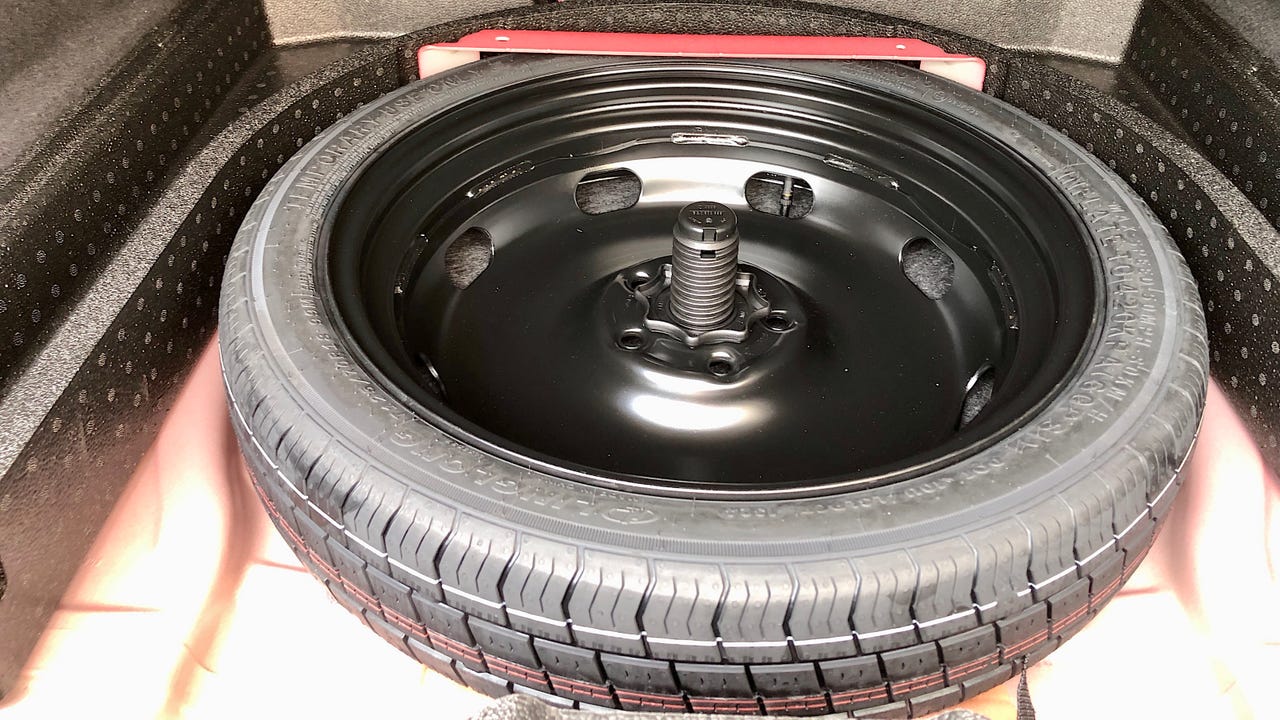
Make sure the spare tire is securely mounted in its storage spot. A loose tire can cause noise or fall out while driving.
Check that you can easily access the spare tire and tools. Being able to reach them quickly helps during tire changes.
- Ensure jack and lug wrench are present
- Keep the storage area clean and free of debris
- Practice removing and mounting the spare tire
Credit: www.designnews.com
Frequently Asked Questions
Why Should I Check My Spare Tire Regularly?
Checking your spare tire ensures it is properly inflated and ready for emergencies. Avoid surprises on the road.
How Often Do Spare Tires Lose Air Pressure?
Spare tires can lose air pressure monthly. Regular checks keep them safe and functional.
Can An Old Spare Tire Be Unsafe To Use?
Yes, old spare tires can crack or weaken. Replace them every 6-10 years for safety.
What Problems Happen If A Spare Tire Is Flat?
A flat spare tire leaves you without backup. It can cause delays and unsafe situations.
How Do I Maintain My Spare Tire Correctly?
Keep your spare tire clean, inflated, and stored well. Check it with your car’s tires regularly.
Conclusion
Checking spare tires keeps you safe on the road. It helps avoid delays during emergencies. A good spare tire means less stress and quick fixes. Regular checks ensure the tire has enough air and no damage. Don’t wait for a flat to find problems.
Taking a few minutes to inspect saves time and money later. Stay prepared and confident every time you drive. Safe journeys start with simple, smart habits.