

How To Maintain A Manual Gearbox: Essential Tips for Longevity
Last Updated on August 17, 2026
If you drive a car with a manual gearbox, you know how important it is to keep it running smoothly. But do you really know how to take care of your gearbox to avoid costly repairs?
Maintaining your manual gearbox properly can save you time, money, and frustration. You’ll discover simple, practical tips that anyone can follow to extend the life of your gearbox and enjoy a smoother driving experience. Keep reading, and learn how to protect one of the most important parts of your car.

Credit: carfromjapan.com
Regular Fluid Checks
Checking your manual gearbox fluid regularly keeps it working well. Fluid helps gears move smoothly and stops wear.
Low or dirty fluid can cause gear problems. Watch fluid levels and quality to avoid costly repairs.
Choosing The Right Gear Oil
Use the gear oil your vehicle’s manual recommends. Different gearboxes need different oils.
- Check the oil viscosity, like 75W-90 or 80W-90.
- Use synthetic oil for better performance in cold or hot weather.
- Avoid mixing different oil types to prevent damage.
- Choose oils with the right additives for protection.
When And How To Change Fluid
Change gearbox fluid based on your car maker’s advice. Usually, every 30,000 to 60,000 miles is good.
| Condition | Action |
| Fluid looks dark or dirty | Change fluid immediately |
| Fluid level is low | Top off with correct oil |
| Vehicle used for heavy towing | Check fluid more often |
| Normal driving conditions | Change fluid as scheduled |
To change fluid, warm up the gearbox first. Drain old oil, replace the drain plug, and fill with new fluid to the right level.
Proper Clutch Use
The clutch helps you control power from the engine to the wheels. Using it correctly keeps your manual gearbox in good shape. Bad clutch habits cause wear and tear fast.
Learning how to use the clutch well can save you money on repairs. It also makes your driving smooth and safe.
Avoiding Riding The Clutch
Riding the clutch means keeping it partly pressed while driving. This causes parts to wear quickly. Avoid this to keep your clutch healthy.
- Press the clutch fully when changing gears.
- Do not rest your foot on the clutch pedal while driving.
- Use the handbrake on hills instead of holding the clutch.
- Release the clutch smoothly after shifting gears.
Smooth Gear Shifts
Smooth gear changes reduce stress on the gearbox. Using the clutch and gears right helps your car run better.
| Tip | How It Helps |
| Press clutch fully before shifting | Prevents gear damage |
| Shift gears gently | Reduces wear on gearbox |
| Match engine speed with gear | Ensures smooth driving |
| Release clutch slowly | Prevents jerks and clutch wear |
Gearbox Inspection Tips
Maintaining a manual gearbox helps your car run smoothly. Regular checks prevent big problems later.
Inspect your gearbox often to find issues early. Look for signs of wear and damage.
Listening For Unusual Noises
Strange sounds from the gearbox can show problems. Pay attention to grinding or whining noises.
These noises may mean worn gears or low oil. Catching them early helps avoid costly repairs.
- Listen while shifting gears
- Note any clunking or rattling sounds
- Check if noise changes with speed
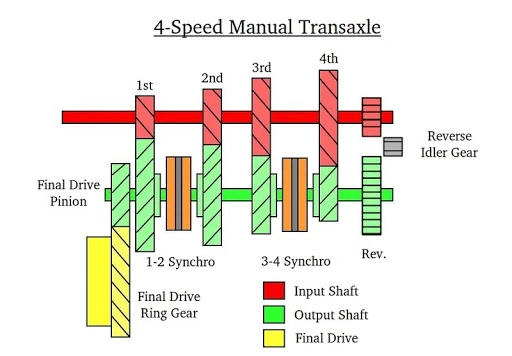
Checking For Leaks And Wear
Look under your car for oil spots. Leaks can cause low gearbox oil levels.
Inspect gearbox parts for cracks or rust. Worn seals can lead to leaks and damage.
- Check oil level regularly
- Look for oil stains under the car
- Inspect seals and joints for damage
Credit: my-summer-car.fandom.com
Driving Habits For Longevity
Taking good care of a manual gearbox starts with how you drive. Your habits can keep the gearbox running smoothly for years.
Simple changes in shifting and handling can reduce wear and tear. Let’s explore key habits for gearbox longevity.
Avoiding Aggressive Shifting
Aggressive shifting puts stress on the gearbox parts. Quick, rough gear changes cause damage over time.
Shift gears smoothly and at the right speed. Use the clutch fully to avoid grinding and jerking.
- Press the clutch fully before changing gears
- Shift at appropriate engine speeds (RPM)
- Avoid sudden gear changes or skipping gears
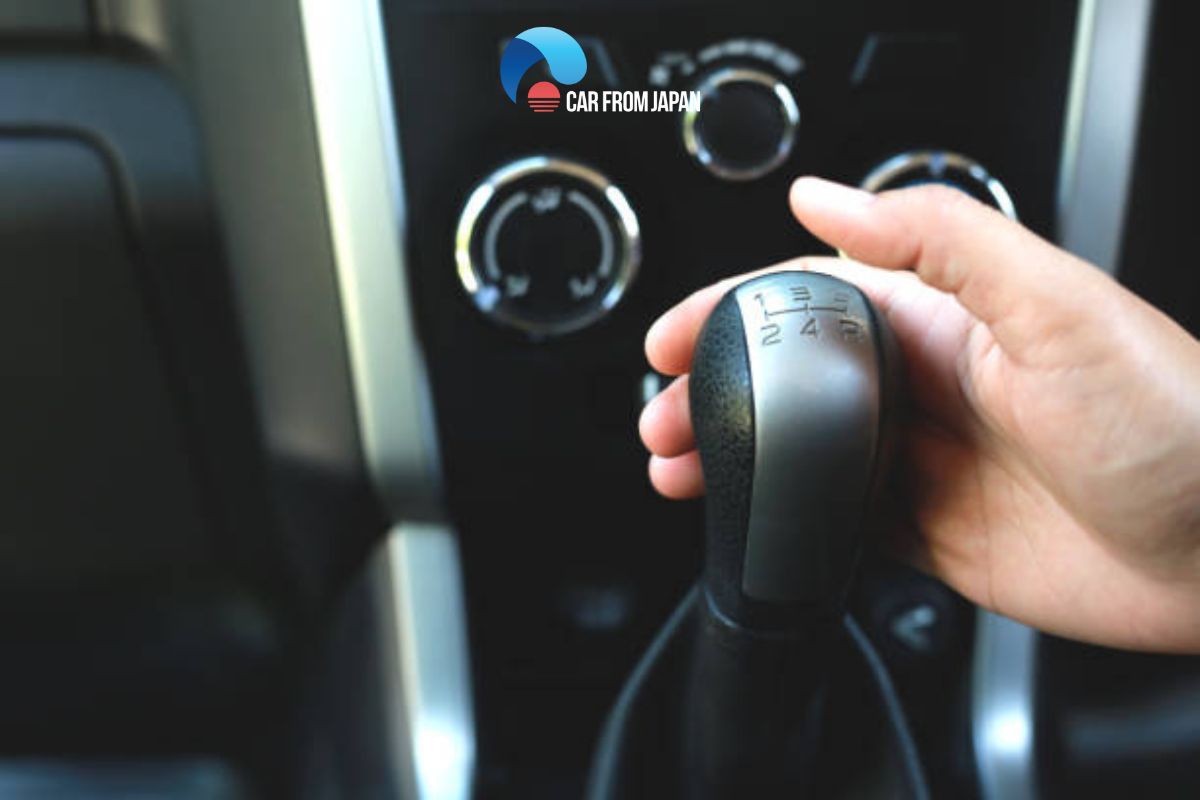
- Don’t rest your hand on the gear lever while driving
Handling Hills And Traffic
Hills and heavy traffic can strain your manual gearbox. Use the right gear and avoid riding the clutch.
Keep the car in a low gear on hills. Use the handbrake to hold the car on a slope instead of the clutch.
- Shift to lower gears before starting uphill
- Use engine braking to control speed downhill
- In stop-and-go traffic, avoid keeping the clutch partially pressed
- Stop with the handbrake, not the clutch, on slopes
Credit: carfromjapan.com
Frequently Asked Questions
How Often Should I Change Manual Gearbox Oil?
Change the gearbox oil every 30,000 to 60,000 miles to keep gears running smoothly.
What Are Signs Of Manual Gearbox Problems?
Look for grinding noises, stiff gear shifts, or slipping gears as warning signs.
Can I Check Manual Gearbox Oil Level Myself?
Yes, locate the filler plug, clean area, unscrew, and check oil level visually.
How To Avoid Damage To A Manual Gearbox?
Avoid resting your hand on the gear stick and use the clutch fully when shifting.
Why Is Regular Gearbox Maintenance Important?
Regular care prevents costly repairs and extends the lifespan of your gearbox parts.
Conclusion
Maintaining a manual gearbox keeps your car running smoothly. Check the fluid regularly to avoid damage. Shift gears gently to reduce wear and tear. Listen for unusual noises that may signal problems. Clean and adjust the clutch as needed. Regular care saves money on costly repairs.
Drive with attention and care every day. Simple habits help your gearbox last longer. Keep these tips in mind for better car health.


