

How Air Intake Systems Affect Fuel Economy: Boost Efficiency Now
Last Updated on August 17, 2026
Have you ever wondered why your car’s fuel seems to disappear faster than you expect? The answer might be closer than you think—right under your hood.
Your air intake system plays a surprising role in how efficiently your engine uses fuel. Understanding how it works can help you save money at the pump and get the most out of every gallon. Keep reading to discover the simple tweaks you can make to boost your fuel economy and keep your car running smoother for longer.
Air Intake Basics
The air intake system brings air into the engine for combustion. Engines need air mixed with fuel to run.
The quality and amount of air affect how well the engine burns fuel. This impacts fuel economy and power.
Types Of Air Intake Systems
There are several types of air intake systems. Each type changes how air flows into the engine.
The common types include stock air intakes, cold air intakes, and short ram intakes. They differ in design and function.
- Stock Air Intake:The original system designed by the car maker.
- Cold Air Intake:Draws cooler air from outside the engine bay for better combustion.
- Short Ram Intake:Pulls air from inside the engine bay, usually shorter and simpler.
Role In Engine Performance
The air intake system controls how much air reaches the engine. More air can help the engine burn fuel better.
Better air flow means the engine can produce more power and use fuel more efficiently. This improves fuel economy.
- Good air flow helps the engine run smoothly.
- Cooler air improves combustion and power output.
- Restricted air flow can reduce fuel efficiency and performance.
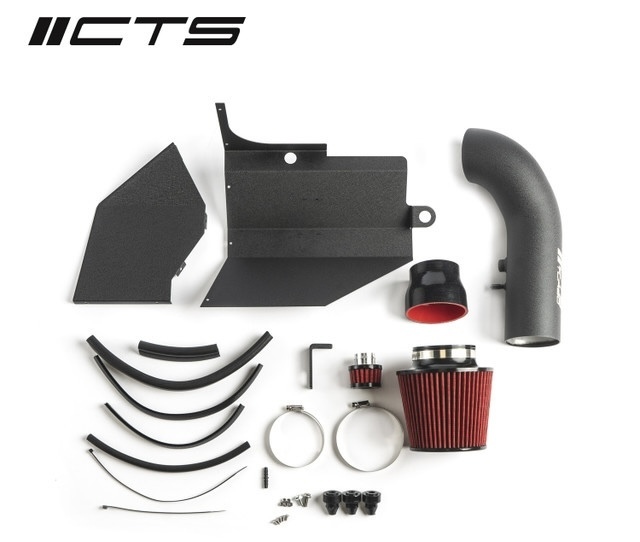
Credit: eurosporttuning.com
Impact On Fuel Economy
Air intake systems bring air into the engine for combustion. The amount and quality of air affect how the engine burns fuel.
Better air intake can improve fuel economy by helping the engine work more efficiently.
How Airflow Influences Combustion
Airflow controls how much oxygen mixes with fuel in the engine. This mix affects combustion power and efficiency.
Good airflow means the engine gets enough oxygen to burn fuel fully. Poor airflow can cause incomplete burning and waste fuel.
- More oxygen helps fuel burn better
- Better combustion lowers fuel use
- Restricted airflow reduces engine power
- Bad airflow increases fuel consumption
Effects Of Air Intake Efficiency
Efficient air intake systems bring clean, cool air into the engine. Cool air is denser and helps combustion.
Filters and intake design can improve air intake efficiency. Clean filters let more air pass through easily.
- Efficient intake increases fuel economy
- Dirty filters reduce airflow and waste fuel
- Cold air intake can improve engine power
- Good intake design lowers fuel use
Upgrading Air Intake
Upgrading your vehicle’s air intake system can improve fuel economy. Better airflow means your engine uses fuel more efficiently.
Choosing the right parts and modifications helps you get the best performance and fuel savings.
Popular Modifications
Common air intake upgrades include cold air intakes, short ram intakes, and performance air filters. These parts change how air enters your engine.
- Cold Air Intake:Draws cooler air from outside the engine bay for better combustion.
- Short Ram Intake:Places the air filter closer to the engine for quicker airflow.
- Performance Air Filter:Replaces stock filters with less restrictive materials.
Choosing The Right System
Pick an air intake system based on your driving style and vehicle type. Not every upgrade fits all engines.
| Type | Best For | Fuel Economy Impact |
| Cold Air Intake | Highway Driving | Moderate Improvement |
| Short Ram Intake | City Driving | Small Improvement |
| Performance Air Filter | Daily Use | Minor Improvement |

Credit: www.bevinsee.com
Maintenance Tips
Keeping your air intake system in good shape helps your car use fuel efficiently. Clean and well-maintained parts ensure the engine breathes properly.
Regular checks and timely replacements can save fuel and avoid costly repairs. Let’s look at some ways to care for your air intake system.
Cleaning And Replacement
Cleaning your air intake parts removes dirt and debris that block airflow. Replace filters if they look worn or clogged to keep air flowing freely.
- Remove and inspect the air filter every 12,000 miles or as recommended.
- Use compressed air to clean reusable filters or replace disposable ones.
- Check the air intake hose for cracks or leaks and replace if damaged.
- Clean the throttle body to remove carbon buildup that can reduce airflow.
Signs Of A Failing Air Intake
Pay attention to these warning signs that your air intake system needs attention. Catching problems early helps maintain fuel economy.
| Symptom | What It Means | Effect on Fuel Economy |
| Reduced Engine Power | Airflow is blocked or restricted | Engine works harder, uses more fuel |
| Rough Idling | Air-fuel mix is unbalanced | Fuel burns less efficiently |
| Check Engine Light | Sensor detects air intake issues | Possible poor fuel use |
| Unusual Engine Noises | Leaks or cracks in intake system | Loss of power and efficiency |

Credit: gexhaust.com
Frequently Asked Questions
How Does An Air Intake System Improve Fuel Economy?
An efficient air intake system supplies more oxygen to the engine. This helps fuel burn better, saving fuel.
Can A Dirty Air Intake Reduce My Car’s Mileage?
Yes. Dirt blocks airflow, causing the engine to work harder and use more fuel.
What Types Of Air Intake Systems Boost Fuel Efficiency?
Cold air intakes and high-flow filters increase oxygen flow, helping the engine use fuel more efficiently.
How Often Should I Clean Or Replace The Air Filter?
Clean or replace it every 12,000 to 15,000 miles to keep airflow steady and fuel use low.
Does Upgrading The Air Intake System Affect Engine Performance?
Yes, better airflow can improve engine power and fuel economy by helping fuel burn cleaner.
Conclusion
Air intake systems play a key role in fuel economy. They help your engine breathe better and use fuel more wisely. A clean, efficient air intake can improve mileage and reduce waste. Choosing the right system matters for saving money on gas.
Small changes can lead to noticeable results. Keep your air intake in good shape for better performance. Better airflow means your car runs smoother and saves fuel. Simple upgrades can make a real difference over time.


