Last Updated on November 25, 2025 by Aaron Blake
Choosing the right tire size can feel confusing, but it’s one of the most important decisions for your vehicle’s safety and performance. You might think any tire will do, but picking the wrong size can lead to poor handling, faster wear, and even costly repairs.
Imagine driving smoothly, saving money, and enjoying better fuel efficiency—all because you chose the perfect tires. You’ll discover simple steps and insider tips to find the ideal tire size for your car. Keep reading, and make sure your next tire choice is the best one yet.
Contents
Know Your Vehicle’s Requirements
Choosing the right tire size is important for safety and performance. Your vehicle needs tires that fit well and work correctly.
Always check your vehicle’s specific needs before buying new tires. This helps avoid problems on the road.
Check Manufacturer Recommendations
Vehicle makers give clear tire size guidelines. These are found in your owner’s manual or on a sticker inside the driver’s door.
- Look for recommended tire width, aspect ratio, and diameter
- Use the exact size to keep your speedometer accurate
- Follow the suggested tire pressure for safety and fuel efficiency
- Do not use tires with a smaller or larger diameter than recommended
Understand Load And Speed Ratings
Tires have load and speed ratings. These ratings show how much weight the tire can hold and the top speed it can safely handle.
| Rating | Meaning | Example |
| Load Index | Maximum weight tire can carry | 95 = 1,521 lbs (690 kg) |
| Speed Rating | Maximum speed tire can handle | H = 130 mph (210 km/h) |

Credit: www.youtube.com
Decipher Tire Size Codes
Tire size codes help you pick the right tires for your vehicle. Each part of the code shows important tire details.
Understanding these codes keeps your driving safe and your car working well.
Identify Width, Aspect Ratio, And Diameter
The first number in a tire code shows the width in millimeters. It tells how wide the tire is from sidewall to sidewall.
The aspect ratio is the next number. It shows the height of the sidewall as a percentage of the width.
The last number is the diameter. It tells the size of the wheel the tire fits, measured in inches.
- Width:Usually 155 to 315 mm
- Aspect Ratio:Sidewall height % of width (e.g., 55 means 55%)
- Diameter:Wheel size in inches (e.g., 16, 17, 18)
Recognize Load Index And Speed Symbol
The load index shows how much weight a tire can carry safely. It is a number on the tire code.
The speed symbol is a letter that shows the highest speed the tire can handle. Both help you choose safe tires.
| Load Index | Max Load (lbs) | Speed Symbol | Max Speed (mph) |
|---|---|---|---|
| 91 | 1356 | H | 130 |
| 95 | 1521 | V | 149 |
| 100 | 1764 | W | 168 |
Match Tires To Driving Conditions
Choosing the right tire size is important for safe driving. You should pick tires that fit your driving needs and road conditions.
Tires perform best when matched to the weather and terrain you face. This helps your car handle well and last longer.
Consider Weather And Terrain
Think about the usual weather where you drive. Rain, snow, or dry roads need different tires. Terrain also matters. Rough roads or smooth highways require different tire features.
- Wet roads need tires with good water grip
- Snowy areas require tires that handle ice and snow
- Off-road terrain needs tires with strong sidewalls
- Highway driving benefits from tires that reduce noise
Choose Between Seasonal And All-season Tires
Seasonal tires are made for specific weather types. All-season tires work in many conditions but may not be best for extremes.
Pick seasonal tires if you face harsh winters or hot summers. Choose all-season tires if your weather is mild most of the year.
- Winter tires have better traction on ice and snow
- Summer tires offer strong grip on dry and wet roads
- All-season tires give balanced performance in many climates
- Seasonal tires may wear faster if used year-round
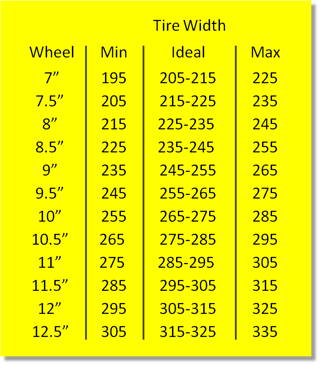
Credit: blog.edgeautosport.com
Consult Experts And Use Tools
Choosing the right tire size is important for safety and vehicle performance. You can get help from experts and use special tools online. These steps make the process easier and more accurate.
Experts have experience and knowledge to guide you. Online tools help you check if a tire fits your car before buying.
Seek Professional Advice
Tire specialists and mechanics can recommend the best tire size for your car. They consider your driving needs, car model, and safety standards.
- Visit a tire shop for expert opinions
- Ask a mechanic during regular car service
- Check your car’s manual for recommended tire sizes
- Request advice on tire brands and types
Utilize Online Tire Fitment Tools
Many websites offer tools to check tire fitment by entering your car’s make and model. These tools save time and reduce errors.
| Feature | Benefit |
| Car Model Input | Ensures tire matches vehicle specifications |
| Tire Size Options | Shows available sizes that fit your car |
| Comparison View | Helps compare different tire sizes side by side |
| Price and Brand Info | Provides options within your budget |
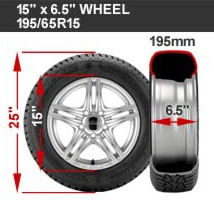
Credit: www.tirerack.com
Frequently Asked Questions
What Do Tire Size Numbers Mean On The Sidewall?
Tire size numbers show width, height, and rim diameter in inches or millimeters.
How To Find The Right Tire Size For My Vehicle?
Check your car’s manual or the sticker inside the driver’s door frame.
Can Wrong Tire Size Affect My Car’s Performance?
Yes, wrong size can cause poor handling, speed errors, and uneven wear.
Is It Okay To Mix Different Tire Sizes On One Car?
No, mixing sizes can cause safety risks and damage to your vehicle.
How Often Should I Check My Tire Size Before Buying?
Always check tire size before purchase to ensure proper fit and safety.
Conclusion
Choosing the right tire size keeps your vehicle safe and steady. Check the size on your current tires or in your owner’s manual. Remember, the right fit helps with fuel efficiency and handling. Avoid sizes that do not match your vehicle’s needs.
Take time to compare and ask experts when unsure. Small steps lead to better driving comfort and tire life. Stay informed and make smart choices for your tires. Your car will thank you with smoother rides and safer trips.