Last Updated on November 25, 2025 by Aaron Blake
Have you ever wondered what keeps your car firmly gripping the road, especially when conditions get tough? The secret lies in tire traction.
How well your tires stick to the surface beneath them can make all the difference between a safe drive and a dangerous slip. Understanding how tire traction affects your safety isn’t just useful—it could save your life. You’ll discover why traction matters, how it works, and what you can do to ensure your tires are always ready to protect you.
Keep reading, because the safety of you and your loved ones depends on it.

Credit: www.youtube.com
Contents
Tire Traction Basics
Tire traction is how well your tires grip the road. Good traction helps keep your car safe while driving.
Without enough traction, your tires can slip. This makes it harder to stop or turn your vehicle safely.
What Influences Traction
Several things affect tire traction. These include the tire’s material, the road surface, and weather conditions.
Proper tire pressure and tread depth also play a big role in how well tires grip the road.
- Rubber compound affects grip strength
- Wet or icy roads reduce traction
- Rough road surfaces increase grip
- Low tire pressure lowers traction
- Worn treads cause slipping
Types Of Tire Treads
Tire treads come in different designs. Each type works best in certain driving conditions.
Choosing the right tread can improve safety by increasing traction on wet, dry, or snowy roads.
- Straight Tread:Good for dry roads and highway driving
- Directional Tread:Designed to channel water away to prevent hydroplaning
- Asymmetric Tread:Combines different tread patterns for better handling and noise reduction
- Winter Tread:Has deeper grooves and sipes for better grip on snow and ice
Impact On Vehicle Control
Tire traction plays a key role in how well a driver can control a vehicle. It affects many parts of driving safety.
Good traction helps keep the car stable and responsive on different road surfaces.
Braking Efficiency
Tires with strong traction shorten the distance needed to stop a vehicle. This is very important in emergencies.
- Better grip means brakes work faster and safer.
- Slippery tires increase the risk of skidding during stops.
- Worn tires lose traction, making braking less reliable.
Cornering Stability
Good tire traction keeps the vehicle stable when turning corners. This prevents loss of control.
| Traction Level | Effect on Cornering |
| High Traction | Maintains grip and balance, allowing smooth turns. |
| Medium Traction | May slip slightly but usually remains stable. |
| Low Traction | Increases risk of skidding or sliding off the road. |
Weather And Road Conditions
Tire traction is very important for safe driving. It helps keep the vehicle steady on the road. Weather and road conditions change how tires grip the surface.
Different surfaces like wet roads or off-road trails need different traction levels. Good traction helps stop the car faster and avoid slipping.
Wet And Icy Surfaces
Wet roads make tires slip more because water creates a layer between the tire and road. This is called hydroplaning. It reduces control and increases stopping distance.
Icy surfaces are very slippery. Ice lowers the tire’s grip a lot. This makes it hard to steer and stop. Drivers need to slow down and be careful on ice.
- Water reduces friction and causes slipping
- Ice makes tires lose grip almost completely
- Stopping distance increases on wet and icy roads
- Slow speed helps keep control on slippery surfaces
Off-road Challenges
Off-road surfaces like dirt, mud, and gravel need strong tire traction. These surfaces are uneven and loose. Tires must dig into the ground for good grip.
Poor traction off-road can cause the vehicle to get stuck or slide. Special tires with deep tread work best. Drivers should adjust speed to match the terrain.
- Dirt and gravel need tires that can grip loose ground
- Mud makes tires spin without moving forward
- Deep tire treads improve traction off-road
- Lower speeds prevent slipping on rough surfaces
Credit: riiroo.com
Tips For Maintaining Traction
Good tire traction helps your car stay safe on the road. It stops your vehicle from slipping and sliding. You can keep traction strong by caring for your tires and driving carefully.
Here are some tips to help you keep your tires gripping the road well. Follow these to improve your safety and control while driving.
Proper Tire Inflation
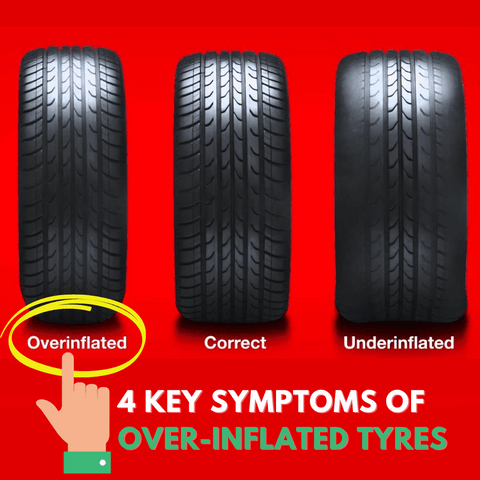
Keep your tires filled with the right amount of air. Too little or too much air lowers traction. Check tire pressure once a month and before long trips.
- Use a reliable tire pressure gauge
- Find the correct pressure in your car manual
- Check tires when cold for accurate reading
- Add or release air to match the recommended level
- Replace valve caps to keep dirt out
Tire Replacement Timing
Old tires lose traction and can be dangerous. Replace tires before the tread wears out. Look for tread depth below 2/32 of an inch.
| Tire Tread Depth | Traction Condition |
| Above 6/32 inch | Good traction for all weather |
| 4/32 to 6/32 inch | Reduced traction, replace soon |
| 2/32 to 4/32 inch | Poor traction, replace now |
| Below 2/32 inch | Unsafe, no traction |
Driving Habits For Safety
Drive smoothly to keep traction strong. Sharp turns and fast stops make tires lose grip. Slow down on wet or icy roads.
Follow these driving tips:
- Accelerate gently
- Brake early and smoothly
- Take corners at a safe speed
- Keep a safe distance from other cars
- Avoid sudden lane changes
Credit: blackdonuts.com
Frequently Asked Questions
What Is Tire Traction And Why Does It Matter For Safety?
Tire traction is the grip between tires and the road. Good traction helps stop and turn safely.
How Does Poor Tire Traction Increase Accident Risks?
Poor traction causes slipping on wet or icy roads. It makes controlling the car harder and crashes more likely.
Can Tire Traction Affect Braking Distance?
Yes, tires with better traction shorten braking distance. This reduces the chance of hitting something in front.
How Do Weather Conditions Impact Tire Traction?
Rain, snow, and ice lower tire grip. Tires may slide more, making driving more dangerous.
How Often Should Tire Traction Be Checked For Safety?
Check tire traction every few months or before long trips. Worn tires need replacing to stay safe.
Conclusion
Tire traction plays a big role in keeping drivers safe on the road. Good traction helps cars stop faster and turn better. Worn or poor tires can cause slips and accidents. Checking tire condition often is smart. Proper tire care saves lives and money.
Safe driving starts with strong tire grip. Don’t ignore the signs of weak traction. Stay alert, drive carefully, and keep your tires ready. Safety depends on the contact between tires and road. Simple steps can make a big difference.