Last Updated on November 25, 2025 by Aaron Blake
Have you ever wondered if your tires are truly safe to drive on? The secret lies in one simple tool: the tire pressure gauge.
Knowing how this small device works can save you money, improve your car’s performance, and keep you safe on the road. You’ll discover exactly how tire pressure gauges measure your tire’s air pressure and why getting it right matters more than you might think.
Stick with me, and you’ll never second-guess your tire pressure again.
Credit: simpletire.com
Contents
Types Of Tire Pressure Gauges
Tire pressure gauges measure the air pressure inside a tire. They help keep tires safe and efficient. Different types of gauges work in different ways.
Here are the main types of tire pressure gauges you can use to check your tires.
Analog Gauges
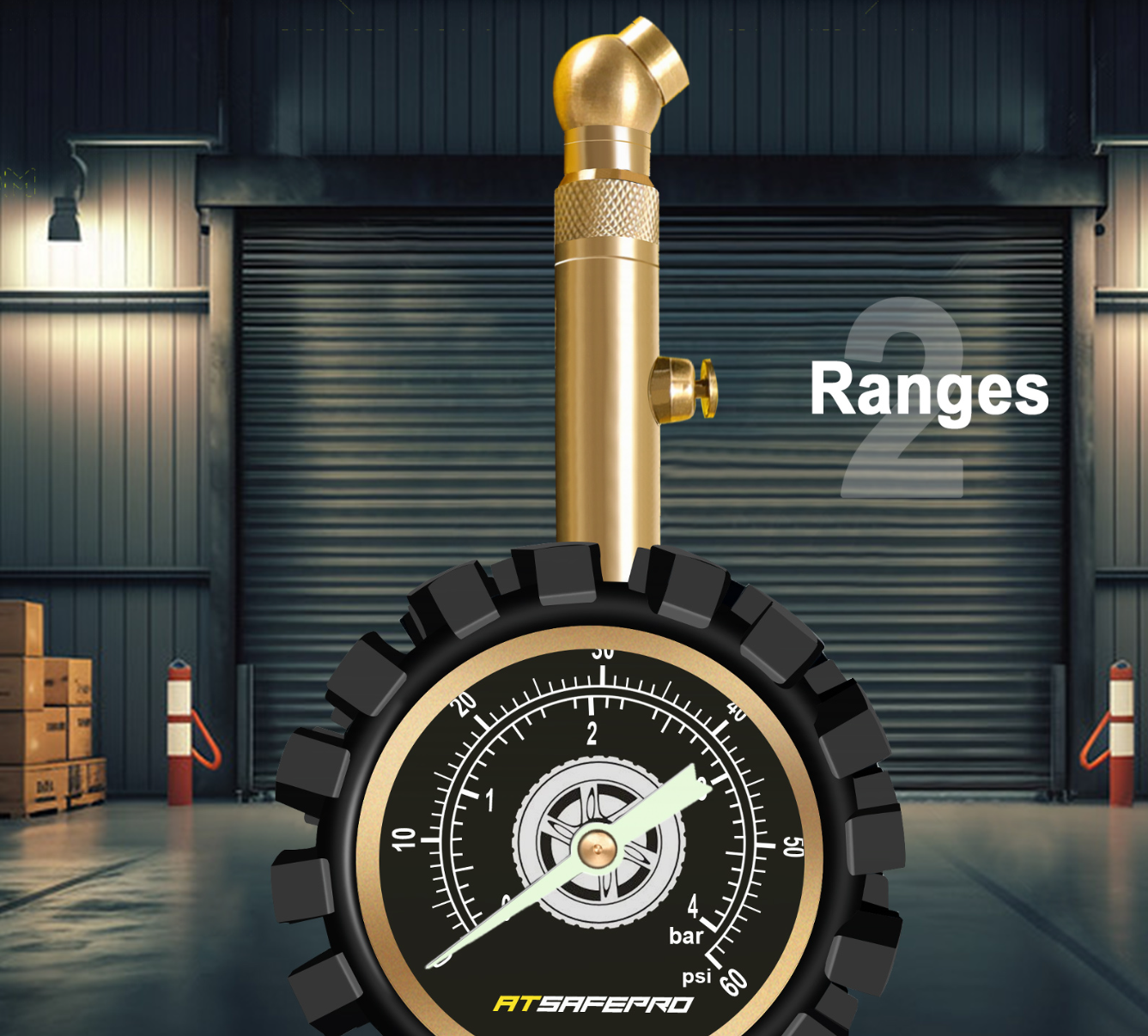
Analog gauges use a small dial with a needle. The needle moves to show the pressure level. These gauges do not need batteries. They are easy to read for many people.
Digital Gauges
Digital gauges show pressure on a small screen. They use batteries to work. These gauges give quick and clear readings. Some models also have a backlight for night use.
- Easy to read numbers
- Can show pressure in different units
- Some models have memory to save readings
- Requires batteries to operate
Stick Gauges
Stick gauges have a small bar that slides out. The bar moves when you press it on the tire valve. The length of the bar shows the pressure. These gauges are simple and compact.
| Feature | Analog Gauges | Digital Gauges | Stick Gauges |
| Power Needed | No | Yes | No |
| Display Type | Needle on dial | Digital screen | Sliding bar |
| Ease of Reading | Moderate | Easy | Simple |
| Durability | Good | Good | Fair |
Credit: www.atsashop.com
How Gauges Measure Pressure
Tire pressure gauges check the air pressure inside tires. They help keep tires safe and efficient.
There are two main ways gauges measure pressure. One uses mechanical parts. The other uses electronic sensors.
Mechanical Sensing Mechanism
Mechanical gauges use a small tube called a Bourdon tube. When air pushes inside, the tube bends. This bending moves a needle on the gauge face.
- Air pressure enters the gauge
- Bourdon tube bends with pressure
- Needle moves on the dial
- User reads the pressure level
This system does not need batteries. It is simple and works well in many conditions.
Electronic Sensors
Electronic gauges use sensors to detect pressure. These sensors turn pressure into an electric signal.
| Sensor Type | How It Works |
| Piezoelectric | Creates voltage when pressure changes |
| Strain Gauge | Changes resistance with pressure |
| Capacitive | Changes capacitance as pressure varies |
The signal goes to a display that shows the pressure number. Electronic gauges often offer more features and precise readings.
Factors Affecting Accuracy
Tire pressure gauges give important readings for safe driving. The accuracy of these gauges depends on several factors. Understanding these can help get the best results.
This section explains how temperature, calibration, and usage affect gauge accuracy.
Temperature Variations
Temperature changes can cause tire pressure to rise or fall. Gauges may show different readings if the temperature shifts quickly. Cold air can make tires look underinflated, while heat can increase pressure.
Always check tire pressure when tires are cold for the most accurate reading.
Gauge Calibration
Calibration ensures the gauge measures pressure correctly. If a gauge is not calibrated, it can give wrong readings. Regular calibration keeps the gauge reliable.
| Calibration Frequency | Recommended Interval |
| Professional Check | Every 6 months |
| Self Calibration | Monthly |
| After Dropping Gauge | Immediately |
Proper Usage Techniques
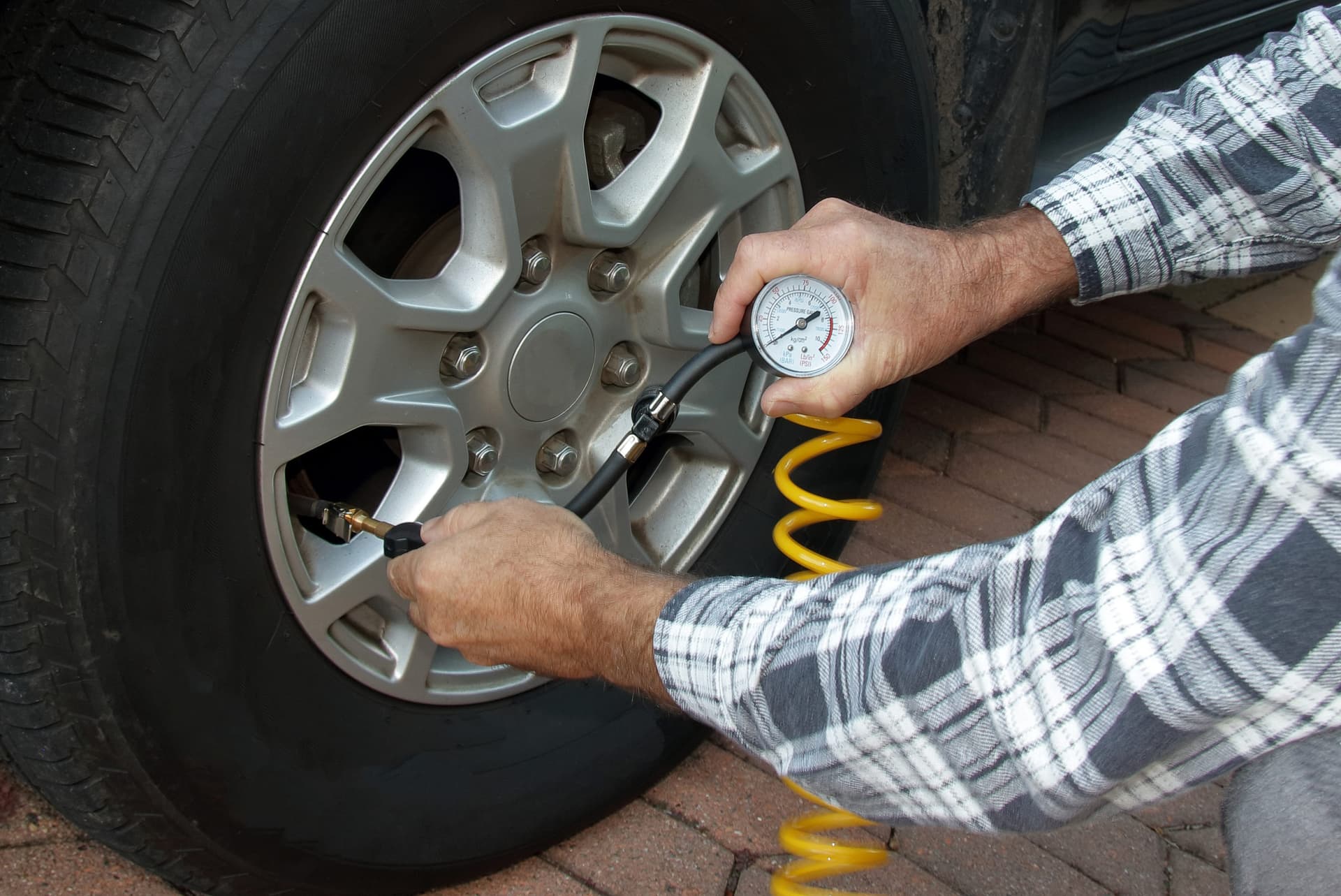
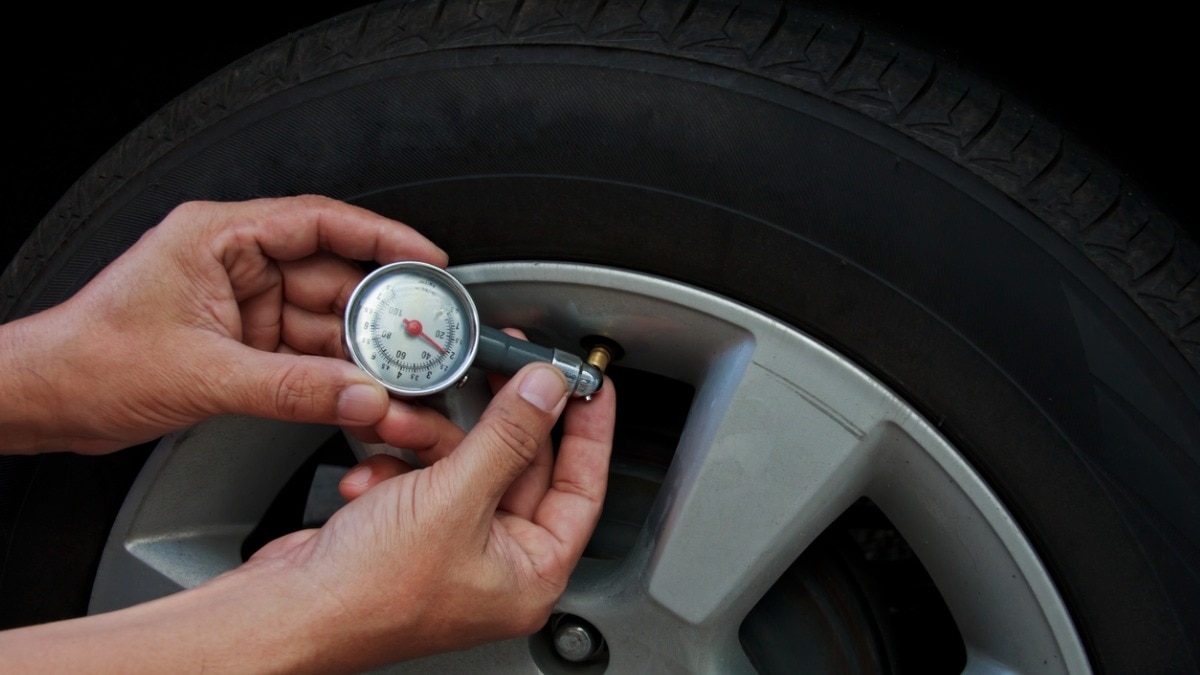
How you use the gauge matters. Press the gauge firmly onto the valve stem to avoid leaks. Hold it steady until the reading stops changing.
- Check pressure when tires are cold
- Use the gauge straight on the valve stem
- Do not shake or drop the gauge
- Read the gauge quickly and accurately
Credit: www.autotrader.com
Tips For Reliable Readings
Tire pressure gauges help you check your tire pressure. Accurate readings keep your tires safe and last longer.
Use these tips to get the best results from your tire pressure gauge every time.
Checking When Tires Are Cold
Check tire pressure when tires are cold. Cold means the car has not been driven for at least three hours.
Heat from driving makes the air inside the tires expand. This causes false high readings.
- Park your car in a shaded area before checking.
- Measure pressure early in the morning if possible.
- Do not drive the car before checking tire pressure.
Regular Gauge Maintenance
Keep your tire pressure gauge clean and protected. Dirt and damage can cause wrong readings.
Store the gauge in a safe place. Check it for damage before each use.
- Wipe the gauge clean with a soft cloth.
- Check the gauge needle or digital display for accuracy.
- Replace batteries in digital gauges regularly.
- Do not drop or expose the gauge to water.
Reading And Adjusting Tire Pressure
Press the gauge firmly onto the tire valve to get a correct reading. Hold it steady until the pressure shows.
Compare the reading to the tire pressure recommended by your car’s manual or door sticker.
- If pressure is low, add air using an air compressor.
- If pressure is high, press the valve to release some air.
- Recheck pressure after adjusting to confirm.
- Do not overinflate tires beyond the recommended pressure.
Frequently Asked Questions
What Is A Tire Pressure Gauge?
A tire pressure gauge measures the air pressure inside a tire. It helps keep tires properly inflated.
How Does A Tire Pressure Gauge Work?
It measures the air pressure by sensing the force of air inside the tire and shows the value.
Why Is Tire Pressure Important To Check?
Correct tire pressure improves safety, fuel efficiency, and tire life. Low pressure can cause accidents or wear.
Can All Tire Pressure Gauges Work On Any Tire?
Most gauges work on car, bike, or truck tires, but some are made for specific types.
How Often Should I Use A Tire Pressure Gauge?
Check tire pressure at least once a month and before long trips for best performance and safety.
Conclusion
Tire pressure gauges show how much air is inside tires. They help keep tires safe and last longer. Using a gauge is simple and quick. Checking pressure often can save fuel and prevent accidents. Good tire care means a smoother, safer ride.
Keep your gauge handy and check your tires regularly. This small tool makes a big difference on the road.