Last Updated on November 25, 2025 by Aaron Blake
Imagine driving on a busy road when suddenly, your tire goes flat. Panic sets in, right?
What if you didn’t have to stop immediately or struggle with a spare tire? That’s where run-flat tires come in. They’re designed to keep you moving even after a puncture. But how exactly do they work, and can they really save you from roadside trouble?
You’ll discover the smart technology behind run-flat tires and why they might be the best upgrade for your vehicle’s safety and convenience. Keep reading to find out how these tires can change your driving experience for the better.
Contents
Run-flat Tire Basics
Run-flat tires let you keep driving after a puncture. They provide extra safety and convenience on the road.
These tires have special designs to support the car without air. You can drive for a limited distance at low speed.
Design Features
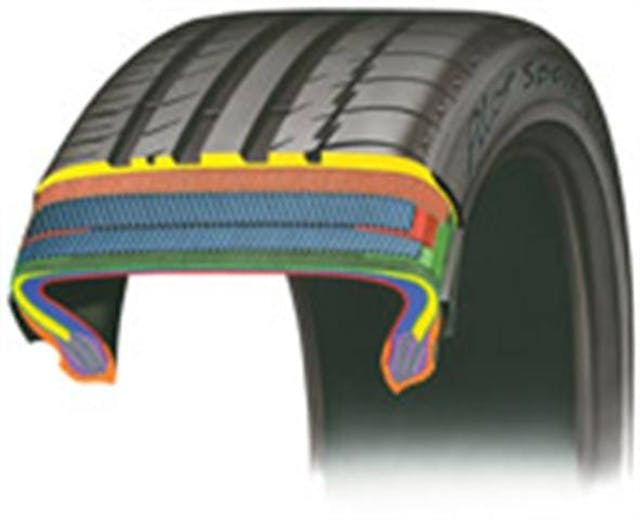
Run-flat tires have strong sidewalls to hold the car’s weight. This stops the tire from collapsing when air leaks out.
Some have a support ring inside the tire. This ring keeps the tire shape and supports the vehicle during air loss.
- Reinforced sidewalls for strength
- Internal support rings in some models
- Special tread patterns for stability
- Designed to handle heat from extra stress
Materials Used
Run-flat tires use tougher rubber compounds to resist damage. The sidewalls have extra layers for support.
They include materials like Kevlar or other strong fibers. These materials add strength without making the tire too heavy.
- Reinforced rubber compounds
- Kevlar or similar strong fibers
- Extra layers inside the sidewalls
- Heat-resistant materials
How They Differ From Regular Tires
Regular tires lose shape quickly after a puncture. Run-flat tires keep their shape and support the car.
Run-flat tires allow driving for about 50 miles at low speed. Regular tires need immediate repair or replacement.
- Stronger sidewalls vs. flexible sidewalls
- Can drive with no air vs. must stop
- Extra materials for support vs. standard rubber
- Limited distance and speed after puncture vs. none

Credit: www.carparts.com
Safety Advantages
Run-flat tires help drivers stay safe after a puncture. They let you keep driving for a short time.
This extra time can prevent accidents and help you reach a safe place to fix the tire.
Maintaining Control After A Puncture
Run-flat tires have strong sidewalls that hold the car’s weight even with no air. This lets you drive without losing control.
- Keep steering stable
- Prevent sudden swerving
- Reduce risk of skidding
Reduced Risk Of Accidents
Because run-flat tires support the car after a puncture, you can avoid sudden stops on busy roads. This lowers accident chances.
| Without Run-Flat Tires | With Run-Flat Tires |
| Immediate loss of control | Stable handling after puncture |
| Sudden braking needed | Smoother slowdown possible |
| Higher accident risk | Lower accident risk |
Emergency Driving Distance
Run-flat tires let you drive up to 50 miles after a puncture at low speed. This gives time to reach a repair shop safely.
- Keep speed under 50 mph (80 km/h)
- Drive carefully on smooth roads
- Replace or repair the tire soon
Performance Factors
Run-flat tires let you drive after a puncture. They keep working even with no air inside.
These tires affect how the car feels and performs on the road. Understanding these factors helps you know what to expect.
Ride Comfort
Run-flat tires have stiffer sidewalls to support the car without air. This stiffness can make the ride feel harder.
Road bumps and rough surfaces might feel sharper compared to normal tires. Some drivers notice less smoothness during the ride.
Handling And Stability
Run-flat tires provide good stability, especially after a puncture. The stiff sidewalls help keep control when air pressure drops.
These tires may feel a bit heavier or less flexible when turning. Still, they improve safety by letting you drive safely to a repair shop.
- Better control during a flat tire
- Slightly firmer steering feel
- Stable performance at higher speeds
Fuel Efficiency Impact
Run-flat tires often weigh more than regular tires. Extra weight can cause the car to use more fuel.
The stiffer design also increases rolling resistance. This means the engine works harder, lowering fuel efficiency slightly.
- Higher weight adds to fuel consumption
- Increased rolling resistance reduces efficiency
- Small impact on overall fuel economy
Credit: www.moderntiredealer.com
Maintenance And Replacement
Run-flat tires let you drive safely after a puncture. They need special care to work well. Proper maintenance helps keep them reliable and safe.
Knowing when to repair or replace run-flat tires is important. This helps keep your car safe on the road.
Tire Pressure Monitoring Systems
Run-flat tires need a Tire Pressure Monitoring System (TPMS). It alerts you if the tire pressure drops. Without TPMS, you might not know about a flat tire.
TPMS helps you act quickly to avoid damage. Check the system regularly to make sure it works well.
Repair Vs Replacement
Not all run-flat tires can be repaired. Small punctures in the tread might be fixed. Sidewall damage usually means replacement.
Check the tire carefully after a puncture. If unsure, ask a professional to decide. Safety is the top priority.
- Repair only tread area punctures
- Replace if sidewall is damaged
- Replace if tire structure is weak
- Follow manufacturer guidelines strictly
Cost Considerations
Run-flat tires cost more than regular tires. Repairs can also be pricier due to special materials. Replacement tires cost more as well.
Consider these costs when maintaining your tires. Proper care can help you avoid early replacement expenses.
- Run-flat tires are more expensive
- Repairs may cost more than regular tires
- Replacing run-flat tires costs more
- Regular checks reduce unexpected costs

Credit: parmaccs.com
Frequently Asked Questions
What Are Run-flat Tires And How Do They Work?
Run-flat tires have reinforced sidewalls that support the car’s weight after a puncture.
How Far Can You Drive On A Run-flat Tire?
You can usually drive 50 to 100 miles at low speed after a tire puncture.
Do Run-flat Tires Need Special Rims Or Sensors?
Yes, run-flat tires often require compatible rims and tire pressure monitoring systems.
Are Run-flat Tires Safer Than Regular Tires?
Run-flat tires help maintain control after a puncture, reducing accident risk.
Can You Repair A Run-flat Tire After A Puncture?
Most run-flat tires cannot be repaired and need replacement after a puncture.
Conclusion
Run-flat tires help you keep driving after a puncture. They have strong sidewalls that hold the car’s weight. This design stops sudden tire blowouts and keeps you safe. You can drive for a short distance without changing the tire right away.
That means less stress and more control on the road. Knowing how run-flat tires work helps you choose the right ones. They offer peace of mind and convenience during emergencies. Consider them if you want extra safety and reliability while driving.
Simple and smart protection for your tires.