Last Updated on November 25, 2025 by Aaron Blake
Have you ever wondered why your car’s engine doesn’t overheat, even after long drives or heavy traffic? The secret lies in something you might overlook—coolant.
This simple liquid plays a powerful role in keeping your engine at the right temperature. Understanding how coolant works can help you protect your vehicle and avoid costly repairs. Keep reading to discover how coolant prevents engine overheating and why it’s essential for your car’s health.
Contents
Role Of Coolant In Engine Cooling
Coolant is a special fluid that keeps engines from getting too hot. It moves heat away from the engine parts to stop damage.
Without coolant, engines can overheat and stop working. It plays a key role in keeping the engine safe and running smoothly.
How Coolant Absorbs Engine Heat
Coolant flows through the engine and absorbs the heat made by the burning fuel. This keeps engine parts from getting too hot.
The heated coolant then moves to the radiator, where it cools down before going back to the engine.
Protecting Engine Parts From Damage
Coolant stops engine parts from warping or cracking by keeping temperatures steady. It also prevents rust and corrosion inside the engine.
- Prevents overheating and engine failure
- Protects metal parts from rust
- Keeps engine temperature balanced
- Extends engine life
Types Of Coolant And Their Benefits
| Type of Coolant | Main Benefit |
| Ethylene Glycol | Good heat transfer and freeze protection |
| Propylene Glycol | Less toxic and safer for the environment |
| Inorganic Additive Technology (IAT) | Protects against rust and corrosion |
| Organic Acid Technology (OAT) | Longer life and better engine protection |
Coolant Flow And Engine Cooling System
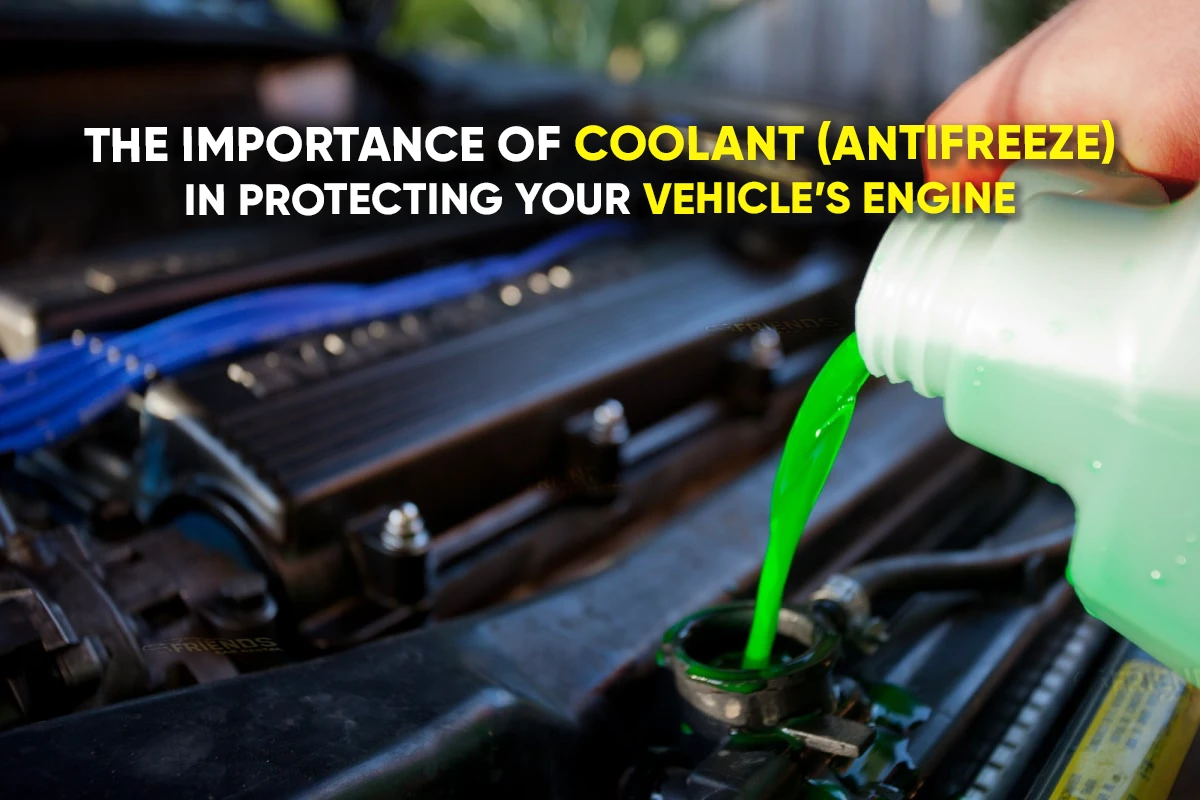
Coolant moves through the engine using a water pump. It flows from the engine to the radiator and back. The thermostat controls the coolant flow to keep the engine at the right temperature.
Credit: friendscarrental.com
Types Of Engine Coolants
Engine coolants keep engines from overheating. They absorb and carry heat away.
Different coolants suit different engines and conditions. Knowing the types helps pick the right one.
Inorganic Acid Technology (iat)
IAT coolants use silicates and phosphates to protect metal parts. They work well in older cars.
Organic Acid Technology (oat)
OAT coolants last longer and protect against rust without silicates. They are common in newer cars.
Hybrid Organic Acid Technology (hoat)
HOAT combines IAT and OAT features. It offers strong protection and longer life.
- Contains silicates and organic acids
- Good for heavy-duty engines
- Works well in extreme temperatures
Extended Life Coolants (elc)
ELC coolants protect engines for longer miles. They reduce the need for frequent changes.
| Coolant Type | Main Additives | Best For | Change Interval |
| Inorganic Acid Technology (IAT) | Silicates, Phosphates | Older vehicles | 2 years or 30,000 miles |
| Organic Acid Technology (OAT) | Organic acids | Modern cars | 5 years or 150,000 miles |
| Hybrid Organic Acid Technology (HOAT) | Silicates, Organic acids | Heavy-duty, mixed fleets | 4-5 years or 150,000 miles |
| Extended Life Coolants (ELC) | Varies by brand | Long service intervals | Up to 10 years |
Coolant Circulation And Heat Transfer
Coolant is a liquid that helps stop the engine from getting too hot. It moves heat away from the engine parts.
This process keeps the engine running safely and prevents damage from overheating.
Coolant Circulation
Coolant flows through the engine in a closed loop. A water pump pushes the coolant around the engine.
The coolant travels through channels inside the engine block and cylinder head. It picks up heat from these hot parts.
- The water pump moves the coolant continuously.
- Thermostats control the coolant flow based on engine temperature.
- Coolant passes through the radiator to cool down.
Heat Transfer
Coolant absorbs heat from the engine parts as it moves through the engine. This heat must be removed to keep the engine cool.
The hot coolant flows to the radiator where air cools it. Then, the cooled coolant returns to the engine to repeat the cycle.
- Heat moves from engine to coolant by contact.
- Radiator uses air flow to remove heat from coolant.
- Coolant’s heat transfer keeps engine temperature stable.
Credit: www.vertumotors.com
Common Coolant Issues And Maintenance Tips
Coolant helps keep your engine from overheating. It moves heat away from the engine parts. Without proper coolant care, the engine can get damaged.
Knowing common coolant problems and how to maintain it can save your engine. This guide covers what to watch for and how to keep your coolant working well.
Signs Of Coolant Leaks
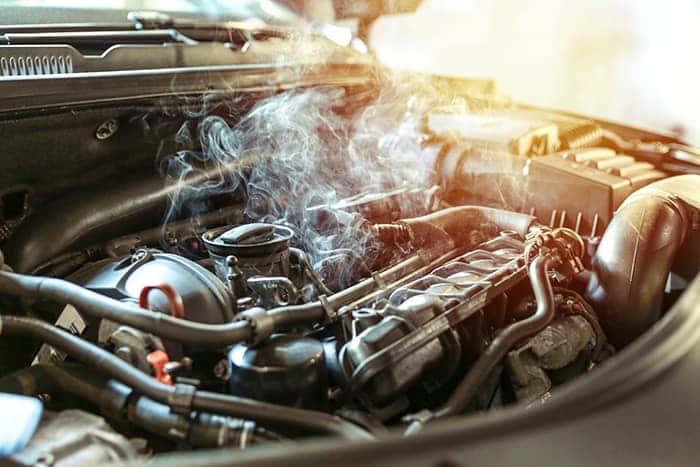
Coolant leaks lower the fluid level and reduce cooling power. You may see puddles under your car or notice a sweet smell. The engine might run hotter than usual.
Coolant Contamination
Contaminants like oil or rust can mix with coolant. This reduces its ability to cool the engine. Contaminated coolant can cause blockages in the system.
| Contaminant | Effect on Coolant | Possible Cause |
| Oil | Reduces heat transfer | Head gasket leak |
| Rust | Clogs radiator and hoses | Old coolant or corrosion |
| Dirt | Blocks coolant flow | Dirty reservoir or cap |
Coolant Maintenance Tips
Proper maintenance keeps coolant effective. Check fluid levels often and look for leaks. Flush and replace coolant as recommended by your vehicle’s guide.
- Check coolant level monthly
- Inspect hoses and radiator for cracks
- Use the right type of coolant for your car
- Flush coolant system every 2-3 years
- Replace the radiator cap if it leaks
How To Test Coolant Condition
Testing coolant helps find issues early. A coolant tester can check for freeze protection and acid levels. Cloudy or rusty coolant means it needs changing.
Tip:Use a hydrometer or test strips for easy checks. Regular testing keeps your engine safe from overheating.
Credit: www.fordlincolnofcookeville.com
Frequently Asked Questions
What Is Engine Coolant And Why Is It Important?
Engine coolant is a liquid that stops the engine from getting too hot or freezing.
How Does Coolant Stop Engine Overheating?
Coolant absorbs heat from the engine and moves it to the radiator to cool down.
Can Engine Coolant Prevent Car Breakdowns?
Yes, coolant keeps the engine temperature stable, avoiding damage and breakdowns.
How Often Should I Check Or Replace My Coolant?
Check coolant every 6 months and replace it every 2-3 years for best results.
What Happens If My Engine Runs Without Coolant?
Without coolant, the engine can overheat quickly, causing serious damage or failure.
Conclusion
Coolant plays a key role in keeping engines cool and safe. It moves heat away from the engine parts fast. Without coolant, engines can get too hot and break down. Using the right coolant helps your car run smoothly. Always check and change coolant on time.
This simple step protects your engine and saves money. Keep your engine healthy with good coolant care. It’s easy and worth it.