Last Updated on November 25, 2025 by Aaron Blake
If you’ve ever had a soft or spongy brake pedal, you know how worrying it can be. The problem might be trapped air in your brake lines, and that’s where brake bleeding tools come in.
But how exactly do these tools work to keep your brakes safe and responsive? Understanding this can save you time, money, and even your safety on the road. Keep reading to discover how these simple devices make a big difference in your brake system’s performance—and how you can use them with confidence.
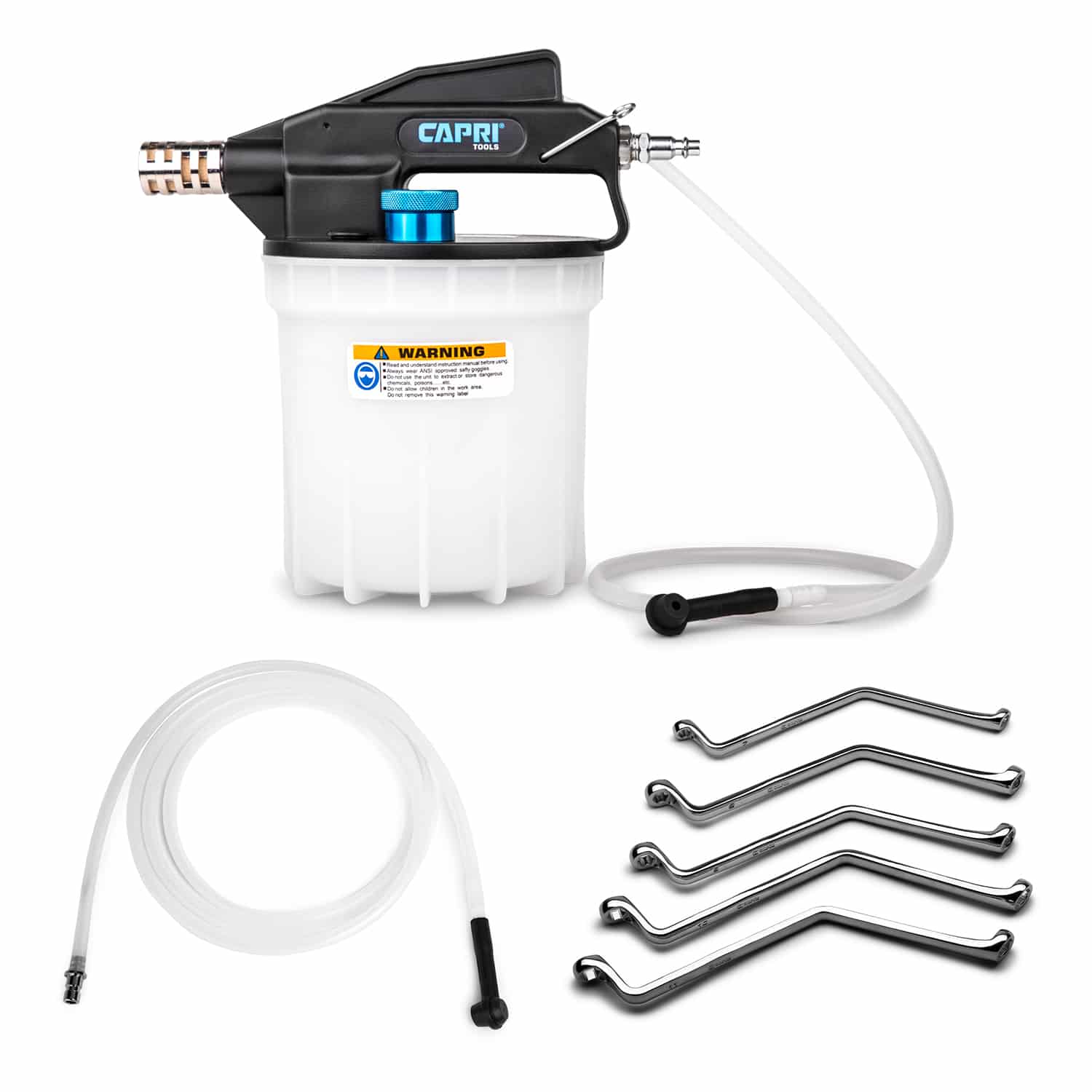
Credit: capritools.com
Contents
Types Of Brake Bleeding Tools
Brake bleeding tools help remove air from brake lines. Air in the brakes can cause poor brake performance.
Different types of tools make the job easier and faster. Each tool uses a different way to push or pull brake fluid.
Manual Bleeders
Manual bleeders need two people to work well. One person presses the brake pedal while the other opens the valve.
This tool uses a simple tube and bottle to catch old brake fluid. It stops air from going back into the brake system.
Vacuum Bleeders
Vacuum bleeders use suction to pull brake fluid out. They attach to the brake valve and create a vacuum to draw fluid.
This tool allows one person to bleed brakes alone. It reduces the chance of air going back into the system.
Pressure Bleeders
Pressure bleeders push brake fluid into the system using air pressure. They connect to the brake fluid reservoir and force fluid through the lines.
This tool speeds up brake bleeding and helps remove all air bubbles. It is easy for one person to use.
Gravity Bleeders
Gravity bleeders work by letting fluid flow down from the brake fluid reservoir. Gravity pulls the fluid through the brake lines.
This tool needs no extra power or vacuum. It is slow but simple to use and good for small jobs.
Key Components In Brake Bleeding
Brake bleeding is an important process to remove air from brake lines. This keeps the brakes working safely and smoothly.
Brake bleeding tools have several key parts. Each part helps move brake fluid and air correctly.
Brake Fluid Reservoir
The brake fluid reservoir holds the brake fluid before it goes into the brake lines. It is usually located near the master cylinder.
This reservoir keeps the fluid clean and prevents air from entering the system. It must be filled with the right type of brake fluid.
Bleeder Valve
The bleeder valve is a small screw on each brake caliper or wheel cylinder. It lets air and old fluid escape during bleeding.
Opening the valve allows the fluid to flow out. Closing it stops air from getting back in the brake lines.
Hoses And Connectors
Hoses connect the bleeder valve to a container or pump. They carry the brake fluid and air out safely during bleeding.
Connectors link the hoses to the valve. They must fit tightly to stop leaks and keep the system sealed.
- Flexible hoses help reach hard spots on the vehicle
- Clear hoses let you see the fluid and air bubbles
- Secure connectors prevent fluid spills
Step-by-step Bleeding Process
Brake bleeding removes air from the brake lines. This ensures the brakes work safely and smoothly.
The process uses special tools to push out trapped air. Each step must be done carefully for best results.
Preparing The Vehicle
Park the vehicle on a flat surface. Turn off the engine and engage the parking brake.
Check the brake fluid level in the master cylinder. Top it up if it is low to avoid air entering the system.
Attaching The Tool
Attach the bleeding tool to the brake bleeder valve. Make sure the connection is tight to prevent leaks.
- Use a wrench to open the bleeder valve slightly.
- Connect the hose from the tool to the valve.
- Ensure the other end of the tool is placed in a container to catch old fluid.
Removing Air Bubbles
Press the brake pedal slowly to push fluid and air out. Watch the fluid inside the tool for bubbles.
| Action | Purpose |
|---|---|
| Press brake pedal | Forces fluid and air out |
| Watch fluid flow | Check for air bubbles |
| Close valve | Prevents air from returning |
Sealing The System
Close the bleeder valve tightly once no air bubbles appear. Remove the tool carefully.
Refill the master cylinder with brake fluid to the correct level. Replace the cap securely to seal the system.

Credit: www.oreillyauto.com
Benefits Of Proper Brake Bleeding
Proper brake bleeding removes air from brake lines. This process helps maintain strong braking power.
Knowing the benefits helps you understand why brake bleeding is important for vehicle safety.
Improved Brake Responsiveness
Air in brake lines makes brakes feel soft or spongy. Proper bleeding removes air, so brakes respond quickly.
- Brake pedal feels firm and steady
- Shorter stopping distance
- Better control during sudden stops
Enhanced Safety
Brake bleeding ensures the brake system works at its best. This lowers the risk of brake failure.
| Safety Benefit | How It Helps |
| Consistent braking | Prevents delays in stopping |
| Reliable brake pressure | Reduces accidents caused by weak brakes |
| Clear brake fluid | Stops corrosion inside brake parts |
Prolonged Brake System Life
Removing air and old fluid stops damage to brake parts. This keeps the system working longer.
Here are key ways proper bleeding extends brake life:
- Reduces rust inside brake lines
- Prevents fluid contamination
- Limits wear on brake pads and rotors
Credit: www.astrakforums.co.uk
Frequently Asked Questions
What Is The Purpose Of Brake Bleeding Tools?
Brake bleeding tools remove air bubbles from brake lines to ensure proper brake function.
How Do Brake Bleeding Tools Remove Air From Brakes?
They push brake fluid through the system, forcing air out of the brake lines.
Can Brake Bleeding Tools Improve Brake Safety?
Yes, they help maintain strong brake pressure and prevent brake failure.
What Types Of Brake Bleeding Tools Are Available?
Common types include vacuum pumps, pressure kits, and manual squeeze bottles.
How Often Should Brake Bleeding Be Done With These Tools?
Bleeding is recommended every 1-2 years or when brakes feel soft or unresponsive.
Conclusion
Brake bleeding tools help keep your brakes safe and strong. They remove air from brake lines quickly and easily. Clear brake fluid means better brake performance every time. Using the right tool saves time and effort. It also stops brake problems before they start.
Now you know how these tools work and why they matter. Keeping your brakes in good shape is simple with the right help. Safe driving begins with well-maintained brakes. Easy and effective brake bleeding tools make that possible.