Last Updated on November 25, 2025 by Aaron Blake
Are you confused about which fluid your car’s transmission needs—ATF or CVT fluid? Knowing the difference can save you from costly repairs and keep your vehicle running smoothly.
Understanding these fluids is key to maintaining your car’s performance and longevity. You’ll discover what sets ATF and CVT fluids apart, why each one matters, and how to make the right choice for your vehicle. Keep reading to protect your investment and drive with confidence.

Credit: www.youtube.com
Contents
Types Of Transmission Fluids
Transmission fluid helps your car’s transmission work well. It keeps parts moving smoothly and stops damage.
There are different types of transmission fluids. Two common types are ATF and CVT fluids.
What Is Atf?
ATF means Automatic Transmission Fluid. It is used in many automatic transmissions.
ATF helps lubricate parts and cools the transmission. It also helps the transmission shift gears smoothly.
- Usually red or green in color
- Works with hydraulic systems inside transmissions
- Designed for specific types of automatic transmissions
- Needs to meet certain standards for quality and performance
What Is Cvt Fluid?
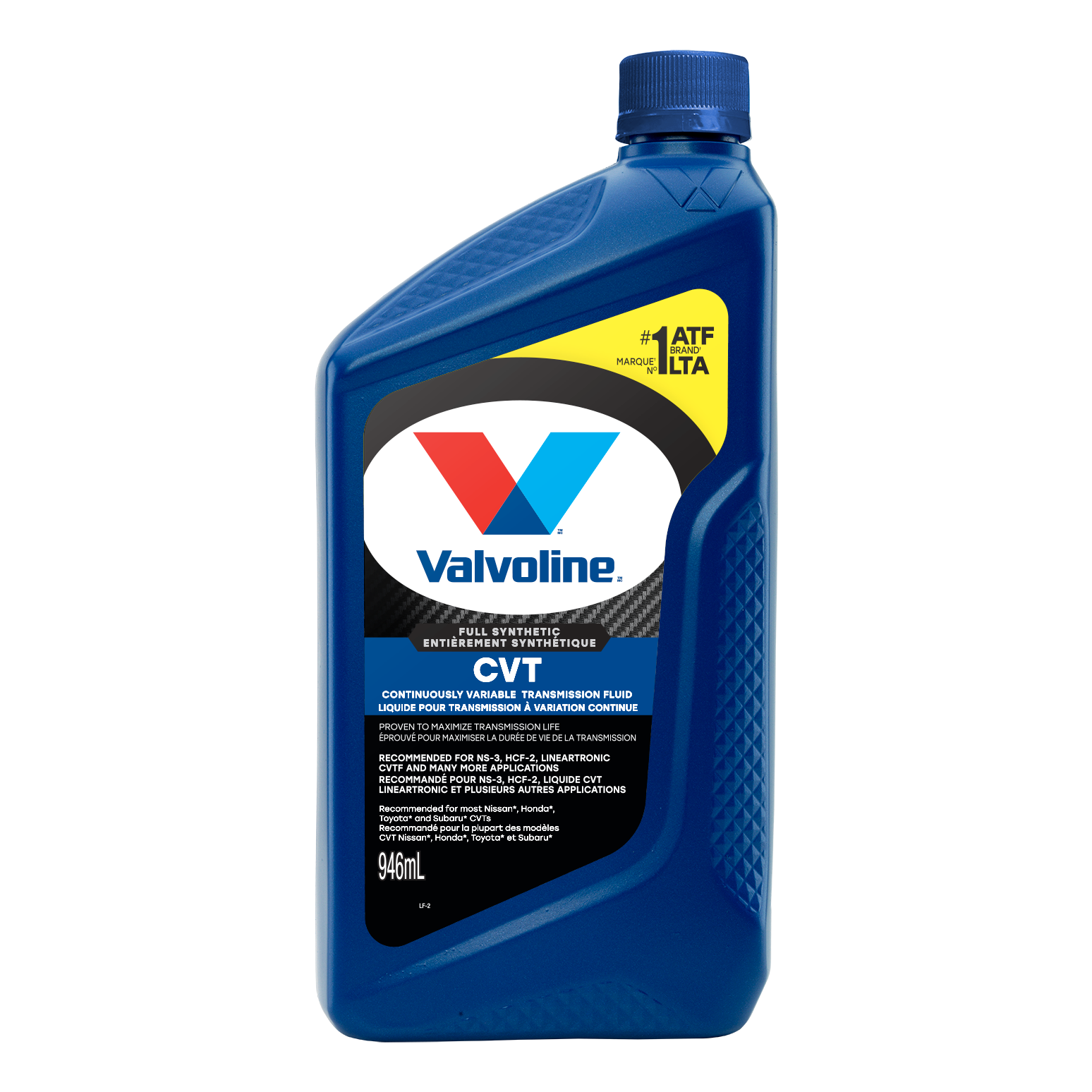
CVT fluid is for Continuously Variable Transmissions. These transmissions do not have fixed gears.
CVT fluid works differently than ATF. It helps the belt or chain inside the CVT move smoothly.
- Usually clear or light amber in color
- Has special friction properties for CVT parts
- Protects the metal belts or chains from wear
- Must be changed regularly to keep transmission working well
Fluid Composition And Properties
Automatic Transmission Fluid (ATF) and Continuously Variable Transmission Fluid (CVT) are essential for vehicle transmissions. Each fluid has unique ingredients and traits that suit specific transmission types.
Understanding their composition helps in choosing the right fluid for your vehicle, ensuring smooth performance and longevity.
Additives And Viscosity
ATF contains additives that protect transmission parts and maintain fluid stability. It has a higher viscosity to handle the pressure of gears and clutches.
- Detergents clean internal parts.
- Friction modifiers help smooth gear shifts.
- Anti-wear agents reduce metal wear.
- Viscosity improvers keep fluid thickness steady in heat.
CVT fluid has a thinner viscosity to allow smooth operation of belt and pulley systems. It uses special friction modifiers for belt grip and less slippage.
Thermal Stability
| Fluid Type | Thermal Stability |
| ATF | High resistance to heat breakdown, protects gears under heavy load |
| CVT Fluid | Designed to resist heat but focuses on smooth, constant temperature for belt life |
Both fluids must maintain their properties under heat to avoid transmission damage. ATF usually faces higher heat due to gear friction. CVT fluid keeps a stable temperature to protect belts and pulleys.
Performance And Function
Automatic Transmission Fluid (ATF) and Continuously Variable Transmission (CVT) fluid are vital for vehicle transmissions. They help the transmission work smoothly and protect its parts.
Understanding their performance and function differences helps in choosing the right fluid for your vehicle type.
Role In Transmission Operation
ATF is designed for automatic transmissions with gears that shift at set points. It lubricates, cools, and helps the transmission shift smoothly.
CVT fluid works in transmissions that change gear ratios continuously. It must handle friction and heat differently to keep the system efficient.
- ATF supports clutch packs and hydraulic systems in automatic transmissions.
- CVT fluid must protect belts or chains and pulleys from wear.
- ATF handles pressure changes in gear shifts.
- CVT fluid allows smooth ratio changes without steps.
Impact On Fuel Efficiency
| Fluid Type | Fuel Efficiency Effect | Reason |
|---|---|---|
| ATF | Moderate Improvement | Reduces friction in gear shifts but has fixed gear ratios. |
| CVT Fluid | Higher Improvement | Enables smooth ratio changes, optimizing engine load and saving fuel. |

Credit: www.autolastgh.com
Maintenance And Replacement
Automatic Transmission Fluid (ATF) and Continuously Variable Transmission (CVT) fluid keep your vehicle running smoothly. Proper care helps avoid costly repairs. Knowing when to change these fluids is important for your car’s health.
This guide explains key points about maintenance and replacement for ATF and CVT fluids. Learn about change intervals and signs of fluid problems to stay on top of your vehicle’s needs.
Change Intervals
ATF and CVT fluids have different change schedules. Following the right interval keeps your transmission safe and efficient. Using the wrong fluid or delaying changes can cause damage.
| Fluid Type | Recommended Change Interval | Notes |
|---|---|---|
| ATF | 30,000 to 60,000 miles | Depends on vehicle and driving conditions |
| CVT Fluid | 25,000 to 50,000 miles | Use manufacturer-approved fluid only |
Signs Of Fluid Problems
Detecting fluid issues early can save your transmission. Watch for these signs to know when to check or replace your fluid.
- Unusual transmission noises or whining sounds
- Delayed or rough gear shifts
- Burning smell near the transmission
- Fluid leaks under the vehicle
- Transmission slipping or loss of power
- Dark or dirty fluid color
Credit: www.valvolineglobal.com
Frequently Asked Questions
What Is The Main Difference Between Atf And Cvt Fluids?
ATF is for automatic transmissions; CVT fluid is specially made for continuously variable transmissions.
Can Atf Be Used In A Cvt Transmission?
No, ATF and CVT fluids have different formulas and cannot be swapped safely.
How Often Should Cvt Fluid Be Changed Compared To Atf?
CVT fluid usually needs changing more often, about every 30,000 to 60,000 miles.
Why Is Cvt Fluid More Expensive Than Atf?
CVT fluid has special additives for belt and pulley systems, making it costlier.
What Happens If The Wrong Fluid Is Used In Transmissions?
Using the wrong fluid can cause poor shifting, damage, and reduce transmission life.
Conclusion
Understanding the difference between ATF and CVT fluids helps protect your car’s engine. Each fluid suits a specific transmission type. Using the right fluid keeps your vehicle running smoothly. It prevents damage and extends the transmission’s life. Always check your car’s manual for the correct fluid.
Taking this small step saves money on repairs later. Clear knowledge makes car care simpler and safer. Choose wisely for better performance and fewer problems.