Last Updated on November 25, 2025 by Aaron Blake
When it comes to your car tires, there’s a lot of advice floating around. But how much of it is actually true?
You might be surprised to learn that some common beliefs about tires could be costing you money, safety, and performance. What if everything you thought you knew about tire care is wrong? Keep reading, and you’ll discover the surprising facts that can help you make smarter decisions for your car and your wallet.
Don’t let myths steer you wrong—your tires deserve the truth.

Credit: www.youtube.com
Contents
Myth About Tire Pressure
Many people think higher tire pressure always means better performance. Others believe low pressure is safer. Both ideas are not always true. Proper tire pressure is important for safety and tire life.
Understanding the effects of overinflation and risks of underinflation helps keep your car safe. It also improves fuel efficiency and tire wear.
Effects Of Overinflation
Overinflating tires makes the ride harder and less comfortable. Too much pressure causes the tire to wear more in the center. This reduces how long the tire lasts.
Overinflated tires have less contact with the road. This can reduce traction and increase the chance of slipping on wet roads.
- Harsher ride due to stiff tires
- Uneven wear in the center tread
- Less road grip, especially in rain
- Higher risk of tire damage from bumps
Risks Of Underinflation
Underinflated tires have more contact with the road, which causes the edges to wear faster. This can lead to tire damage and shorter tire life.
Low tire pressure makes the tire sidewalls flex more. This extra heat can cause tire failure or blowouts. It also lowers fuel efficiency.
- Faster tire wear on edges
- Higher chance of tire blowouts
- Increased fuel consumption
- Poor handling and steering response
Credit: www.telletire.com
Tire Tread And Safety
Tire tread helps your car grip the road. It is very important for safe driving. Good tread prevents slipping in rain or snow.
Many people have wrong ideas about tire tread. These myths can lead to unsafe driving choices. Let’s look at common misunderstandings.
Misconceptions On Tread Depth
Some drivers think tires are safe if tread looks okay. But tread depth matters a lot for safety. Shallow tread means less grip and more risk.
- Tread below 2/32 inch is unsafe by law in many places.
- Even tread above legal limit can be risky in wet conditions.
- Deep tread channels water away to avoid hydroplaning.
- Uneven tread wear can reduce tire performance.
- Regularly check tread depth with a gauge or penny test.
When To Replace Tires
Tires do not last forever. Age and wear reduce their safety. Knowing when to replace tires keeps you safe on the road.
| Sign | What It Means | Action |
| Tread Depth under 2/32 inch | Legal limit reached | Replace tires immediately |
| Cracks on Sidewall | Rubber is aging or damaged | Inspect and consider replacement |
| Bulges or Blisters | Weak spot on tire | Replace tire to avoid blowouts |
| Vibration while driving | Possible tire imbalance or damage | Have tires checked by a professional |
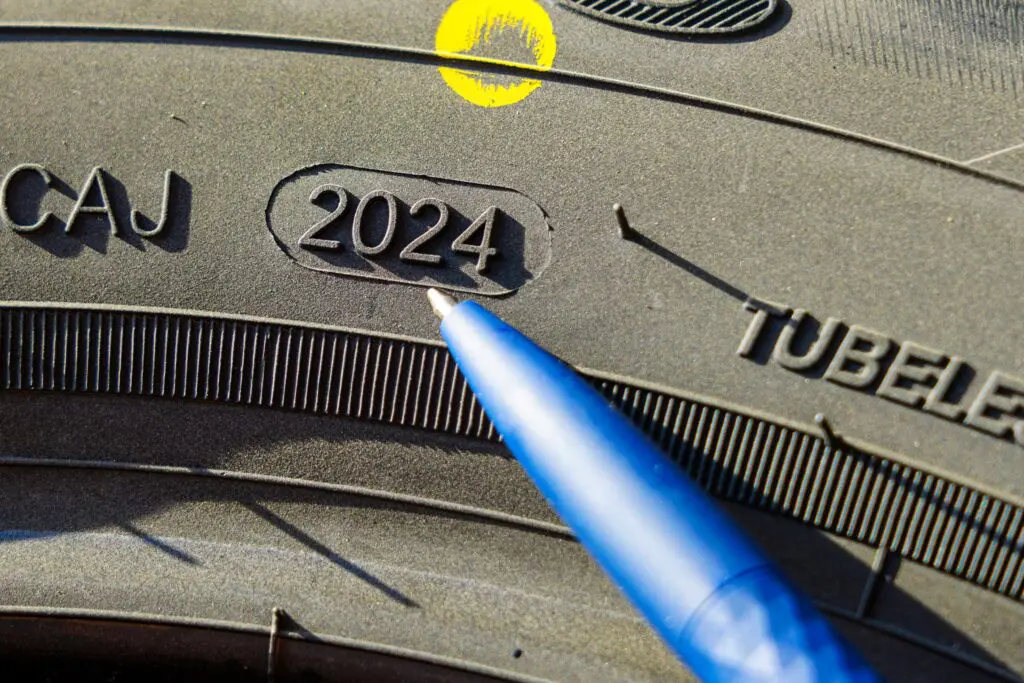
| Tires older than 6 years | Rubber weakens over time | Replace even if tread looks good |
All-season Vs. Specialized Tires
Car tires come in many types, but two common ones are all-season and specialized tires.
Understanding the differences helps you pick the right tires for your needs.
Performance In Different Conditions
All-season tires work well in many weather conditions. They offer a balance of grip and durability. Specialized tires, like winter or summer tires, focus on specific conditions.
| Tire Type | Best For | Weakness |
| All-Season | Light rain, dry roads, mild winter | Not ideal in heavy snow or ice |
| Winter Tires | Snow, ice, cold temperatures | Wear faster in warm weather |
| Summer Tires | Hot, dry, and wet roads | Poor performance in cold or snow |
Choosing The Right Tire Type
Choosing tires depends on your driving habits and local weather. Pick tires that match your main road conditions.
- Use all-season tires if you drive mostly on dry or wet roads and mild winters.
- Choose winter tires if you often face snow and icy roads.
- Opt for summer tires if you live in warm areas and want better handling.
- Change tires seasonally to improve safety and tire life.

Credit: www.youtube.com
Tire Maintenance Tips
Proper tire care keeps your vehicle safe and saves money. Tires wear out unevenly without good maintenance.
Simple habits help extend tire life and improve driving comfort. Learn the basics of tire rotation, balancing, and alignment.
Rotation Frequency
Rotating tires regularly prevents uneven wear. Front tires wear faster due to steering and braking.
- Check your owner’s manual for rotation intervals.
- Most experts suggest rotating tires every 5,000 to 8,000 miles.
- Rotate tires more often if you drive on rough roads.
- Use the correct rotation pattern for your vehicle type.
- Keep track of rotation dates to avoid missing them.
Balancing And Alignment
Balancing and alignment keep tires rolling smoothly. They reduce vibration and improve fuel efficiency.
| Service | Purpose | Signs You Need It |
| Balancing | Even weight distribution | Steering wheel vibration |
| Alignment | Correct tire angles | Car pulls to one side |
| Both | Extend tire life | Uneven tire wear |
Frequently Asked Questions
Do Car Tires Need To Be Replaced Every Year?
No, tires usually last 3-6 years depending on use and care, not just time.
Can Tire Pressure Affect Fuel Efficiency?
Yes, low tire pressure makes your car use more fuel and wear tires faster.
Is It Safe To Mix Different Tire Brands On One Car?
Mixing brands can affect grip and handling, so it’s best to use matching tires.
Do Winter Tires Work Better Than All-season Tires In Snow?
Winter tires have special tread and rubber to grip snow better than all-season tires.
Can Tire Rotation Extend The Life Of My Tires?
Rotating tires regularly helps them wear evenly and can make them last longer.
Conclusion
Car tire myths can cause confusion and unsafe choices. Knowing the facts helps you keep your tires in good shape. Proper care saves money and keeps you safe on the road. Trust reliable sources for tire information. Don’t let false ideas lead to poor decisions.
Stay informed and check your tires often. Safe driving starts with good tire knowledge.