


Last Updated on April 15, 2026
Have you ever wondered what makes your car stop safely every time you hit the brakes? The answer lies in a crucial part you might not pay much attention to: the brake rotors.
These hidden heroes play a vital role in keeping you and your loved ones safe on the road. Understanding how brake rotors work can help you spot problems early and avoid costly repairs. Keep reading to discover why your brake rotors matter more than you think and how they affect your driving experience.
Brake Rotors Basics
Brake rotors are a key part of a vehicle’s braking system. They work with brake pads to stop the car safely.
Understanding brake rotors helps keep your vehicle in good shape. They help slow down and stop your wheels.
Materials And Types
Brake rotors come in different materials and types. Each type has its own strength and cooling ability.
Common materials include cast iron, steel, and composite alloys. Each affects how the rotor handles heat and wear.
- Cast iron: Durable and cost-effective, used in most cars
- Steel: Stronger but can be heavier
- Composite alloys: Light and cool fast, used in high-performance cars
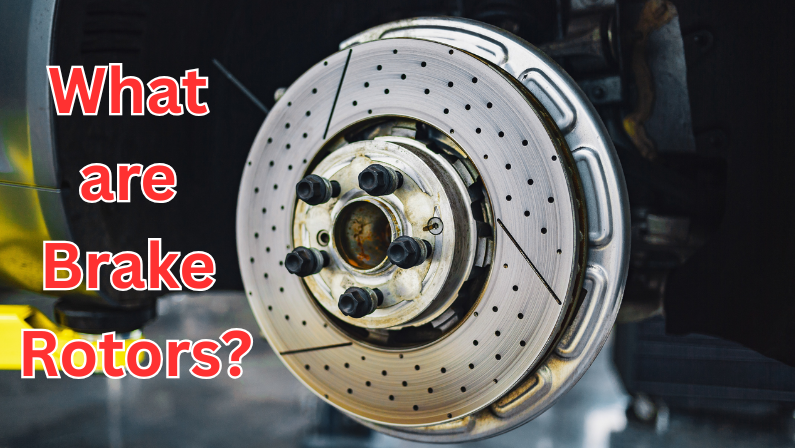
- Types: Solid, vented, drilled, and slotted rotors
How Rotors Work
Rotors spin with the wheels. When you press the brake, pads press on the rotors to slow the car.
The friction between pads and rotors turns movement into heat. This heat slows the wheels until the car stops.
- Brake pads clamp onto the rotor surface
- Friction creates resistance to wheel spinning
- Heat is produced and then dissipated by the rotor
- Proper rotor design helps cool the brakes fast

Credit: napanexdrive.ca
Impact On Vehicle Safety
Brake rotors are a key part of a vehicle’s braking system. They help slow down and stop the car safely.
Good rotors improve safety by making sure brakes work well every time you press the pedal.
Stopping Power And Reliability
Brake rotors must handle heat and pressure to stop the car quickly. Strong rotors give better stopping power.
Reliable rotors keep braking smooth and prevent accidents caused by brake failure or delay.
- Heat resistance keeps rotors from warping
- Even surface helps brake pads grip well
- Durable material lasts longer under stress
Signs Of Rotor Wear
Rotors wear out over time and show signs that warn you to replace them. Ignoring these signs risks brake failure.
Common signs include noise, vibration, and visible damage on the rotor surface.
- Loud squealing or grinding noises
- Vibration or shaking when braking
- Grooves, cracks, or rust on rotors
- Longer stopping distances
Performance And Handling
Brake rotors play a key role in a vehicle’s performance and handling. They help stop the car safely and smoothly.
Good brake rotors improve how the car feels on the road. They affect braking power and control during turns and stops.
Heat Dissipation
Brake rotors must manage heat well. Braking creates a lot of heat from friction. If heat builds up, brakes can lose power.
- Rotors absorb and spread heat away from the pads
- Good heat dissipation prevents brake fade
- Keeping rotors cool protects brake parts and extends life
- Ventilated rotors have channels to improve airflow and cooling
Rotor Designs For Performance
Different rotor designs offer different benefits. The shape and material affect braking feel and strength.
| Rotor Type | Features | Performance Benefit |
|---|---|---|
| Solid Rotors | Simple, one-piece design | Good for everyday driving |
| Vented Rotors | Two plates with air channels | Better cooling and heat dissipation |
| Slotted Rotors | Grooves on surface | Improves pad grip and removes debris |
| Drilled Rotors | Holes drilled through rotor | Enhances cooling and reduces weight |
Credit: www.northyorkchrysler.ca
Maintenance And Replacement
Brake rotors are vital for your vehicle’s stopping power. Keeping them in good shape helps you stay safe on the road.
Proper maintenance and timely replacement of rotors ensure smooth braking and prevent damage to other brake parts.
When To Replace Rotors
Rotors wear out over time from heat and friction. You need to replace them if they are too thin or damaged.
Common signs include vibrations, noise, and poor braking. Ignoring these signs can lead to brake failure.
- Rotors feel warped or cause vibration when braking
- Visible cracks or deep grooves on the rotor surface
- Rotors below the minimum thickness specified by the manufacturer
- Braking noise like squealing or grinding
Tips For Longevity
Good care of brake rotors can extend their life. Simple habits help keep them working well.
- Check and replace brake pads regularly to avoid rotor damage
- Avoid hard braking whenever possible
- Keep rotors clean and free of rust
- Have your brakes inspected by a professional at regular intervals
- Use quality brake parts that match your vehicle’s specifications
Credit: www.northyorkchrysler.ca
Frequently Asked Questions
What Is The Main Function Of Brake Rotors In Vehicles?
Brake rotors help slow or stop a vehicle by creating friction with brake pads.
How Do Brake Rotors Affect Vehicle Safety?
Good rotors ensure smooth braking, reducing stopping distance and preventing accidents.
When Should Brake Rotors Be Replaced?
Replace rotors if they are warped, cracked, or too thin for safe use.
Can Worn Brake Rotors Cause Noise Or Vibration?
Yes, worn rotors often cause squealing, grinding noises, or shaking while braking.
How Do Brake Rotors Work With Other Brake Parts?
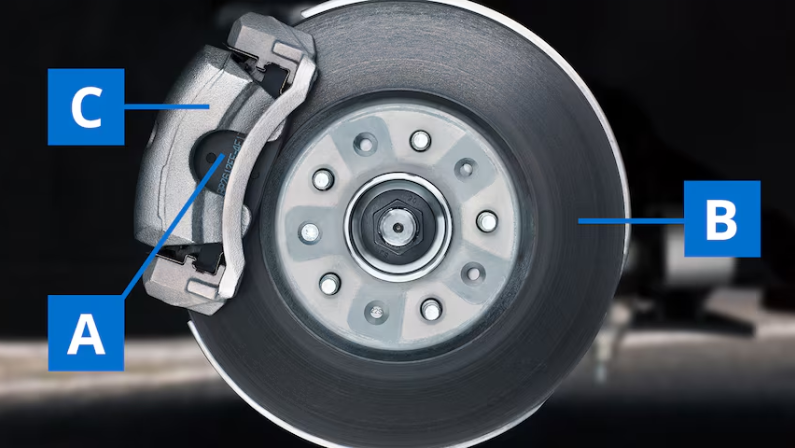
Rotors work with pads and calipers to convert motion into friction and stop wheels.
Conclusion
Brake rotors play a key role in vehicle safety and performance. They help slow down and stop the car smoothly. Keeping rotors in good condition prevents accidents and costly repairs. Regular checks and timely replacement improve braking efficiency. Clean, well-maintained rotors extend the life of brake pads.
Understanding their function helps drivers care for their vehicles better. Safe driving depends on all brake parts working well together. Simple care can save lives on the road.


