


Last Updated on April 15, 2026
Have you noticed strange vibrations or noises when you press your brake pedal? These could be warning signs that your brake rotors are warped.
Ignoring this problem can put your safety at risk and lead to costly repairs. You’ll discover the clear signs of warped brake rotors and learn how to spot them early. Knowing what to look for can save you money and keep your drives smooth and safe.
Keep reading to protect yourself and your vehicle before small issues turn into big problems.

Credit: www.reddit.com
Common Symptoms Of Warped Rotors
Warped brake rotors cause trouble when you stop your car. They wear out and change shape. This makes braking unsafe and uncomfortable.
Knowing the signs of warped rotors helps you fix the problem early. This keeps your brakes working well and your rides smooth.
Vibrations While Braking
You may feel shaking or vibrations in the steering wheel or brake pedal. This happens because the rotor surface is uneven. The brake pads hit the rotor in a bumpy way.
- Steering wheel shakes when braking
- Brake pedal vibrates under your foot
- Car feels unstable while stopping
Pulsating Brake Pedal
Your brake pedal may pulse up and down as you press it. This pulsing is caused by the rotor’s warped spots. These spots push back against the brake pads unevenly.
| Cause | Effect on Pedal |
| Warped rotor surface | Pedal pulses when pressed |
| Uneven pad contact | Brake feels unsteady |
| Rotor thickness variation | Pulsing increases with speed |
Unusual Noises
Warped rotors can cause strange sounds during braking. These noises warn you that the rotors are damaged.
- Squealing or squeaking sounds
- Grinding or scraping noises
- Clicking sounds with each brake press

Credit: tediousrepairs.com
Causes Of Rotor Warping
Warped brake rotors cause vibration and poor braking. Understanding the causes helps prevent damage.
Several factors contribute to rotor warping. These include heat, installation issues, and normal wear.
Excessive Heat
Heat builds up when brakes are used heavily or for a long time. Too much heat changes the rotor’s shape.
- Driving down long hills while braking
- Repeated hard stops
- Racing or high-speed driving
- Using low-quality brake pads that cause more friction
Improper Installation
Incorrect rotor installation leads to uneven surfaces. This causes the rotor to warp faster.
| Common Installation Mistakes | Effect on Rotors |
| Not tightening bolts evenly | Uneven pressure causes warping |
| Skipping rotor resurfacing | Uneven contact with brake pads |
| Using wrong rotor size | Poor fit leads to damage |
Wear And Tear
Rotors wear out over time from regular use. Thin or damaged rotors warp more easily.
Signs of rotor wear include:
- Visible grooves or cracks
- Reduced rotor thickness below the minimum limit
- Uneven rotor surface
Effects On Vehicle Performance
Warped brake rotors can harm how your vehicle stops and drives. They cause uneven braking and affect safety.
Understanding these effects helps you know when to check or replace your brake rotors.
Reduced Braking Efficiency
Warped rotors reduce the contact between the brake pads and the rotor surface. This lowers the brake system’s ability to slow the vehicle quickly.
- Brake pedal feels soft or spongy
- Car takes longer to respond when braking
- Brake vibrations increase
Increased Stopping Distance
When rotors warp, your vehicle needs more space to stop safely. This can be dangerous in emergencies or wet conditions.
| Condition | Stopping Distance Increase |
| Normal rotors | Standard distance |
| Warped rotors | 10% to 25% longer |
Uneven Brake Pad Wear
Warped rotors cause brake pads to wear unevenly. This reduces pad life and causes more frequent replacements.
Signs of uneven brake pad wear include:
- Noise during braking
- Pulling to one side
- Reduced brake performance
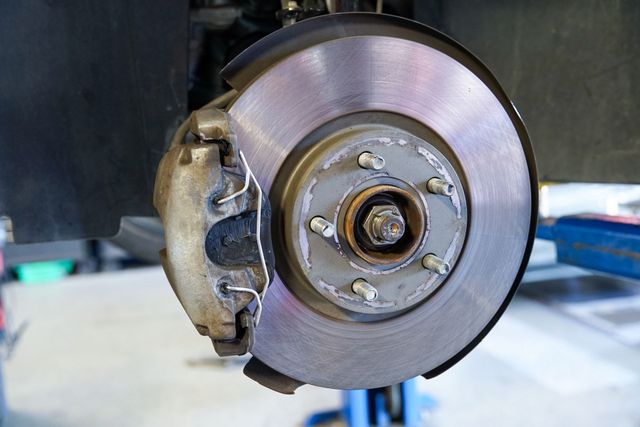
Credit: www.davidsrepair.com
Preventive Measures And Solutions
Warped brake rotors cause shaking and reduce braking power. Fixing them early keeps your car safe. Preventive care helps avoid costly repairs.
Learn simple ways to protect your brake rotors. Follow these tips for long-lasting brakes and smooth stops.
Regular Maintenance
Check brake rotors and pads often. Clean brake parts to stop rust build-up. Replace worn pads fast to avoid rotor damage.
- Inspect rotors every 10,000 miles
- Replace brake pads before they wear out
- Keep brake parts clean and dry
- Check for unusual brake noises or vibrations
Proper Driving Habits
Drive gently to reduce brake wear. Avoid hard stops and riding the brakes. Slow down early instead of sudden braking.
- Maintain safe distance to prevent sudden stops
- Use engine braking on downhill slopes
- Avoid braking on wet or hot rotors
- Do not overload your vehicle beyond limits
Rotor Resurfacing And Replacement
Warped rotors may need resurfacing to smooth the surface. If damage is severe, replace rotors for safe braking.
| Service | When to Choose | Benefits |
| Rotor Resurfacing | Minor warping or uneven wear | Restores smooth braking surface |
| Rotor Replacement | Deep grooves, cracks, or severe warping | Ensures full braking power and safety |
Frequently Asked Questions
What Causes Brake Rotors To Warp?
Brake rotors warp from excessive heat, uneven wear, or hard braking over time.
How Do Warped Rotors Affect Braking Performance?
Warped rotors cause vibrations and reduce braking efficiency, making stops less smooth.
Can Warped Brake Rotors Damage Other Car Parts?
Yes, they can wear out brake pads faster and strain the braking system.
How To Check If Brake Rotors Are Warped?
Feel for brake pedal vibration or hear squealing sounds during braking.
Is It Safe To Drive With Warped Brake Rotors?
Driving with warped rotors is unsafe; it can lead to poor control and accidents.
Conclusion
Warped brake rotors can cause serious driving problems. You might feel vibrations or hear strange noises when braking. These signs should not be ignored for your safety. Regular brake checks help catch issues early. Fixing warped rotors keeps your car stopping smoothly.
Don’t wait until small problems become big dangers. Stay alert and maintain your brakes well. Safe driving starts with good brake care.


