


Last Updated on April 15, 2026
Have you ever wondered what makes your vehicle switch power between wheels when you’re driving off-road or in tough conditions? That’s where the transfer case comes in.
It’s a key part of your vehicle’s drivetrain that many people don’t fully understand, yet it plays a big role in how your car handles different terrains. If you want to know how your vehicle stays strong and balanced when the road gets rough, keep reading.
This guide will explain what a transfer case is, why it matters to your ride, and how it can affect your driving experience.
Credit: parts.gmc.com
Role Of A Transfer Case
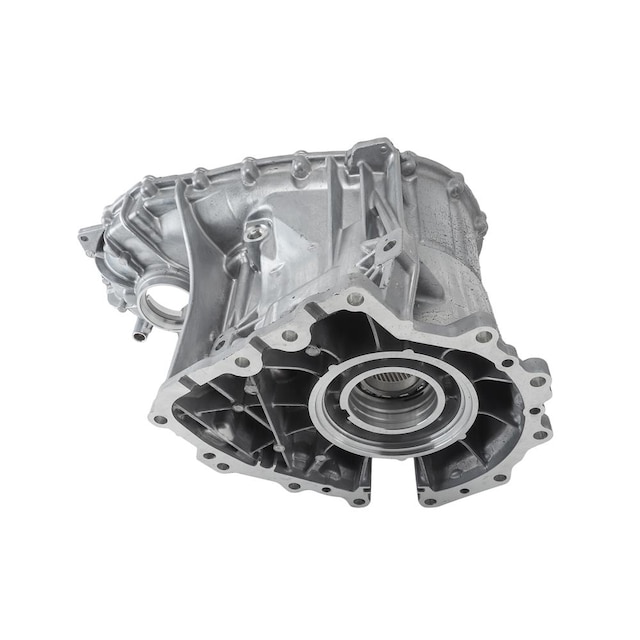
A transfer case is a key part of many four-wheel-drive vehicles. It helps send power from the engine to both front and rear wheels.
This part works with the transmission and differentials. It controls how power moves to keep the vehicle stable and moving.
Power Distribution
The transfer case divides engine power between the front and rear axles. This helps the vehicle keep traction on slippery roads.
It can send equal power to both axles or adjust the power based on driving needs. This makes driving safer and easier.
- Sends power to front and rear wheels
- Adjusts power to improve grip
- Helps prevent wheel slippage
4wd And Awd Compatibility
Transfer cases work with both 4WD and AWD systems. They control how power is shared in these different setups.
In 4WD, the transfer case often allows drivers to switch between two-wheel and four-wheel drive. In AWD, it manages power automatically.
- 4WD systems let drivers choose power mode
- AWD systems use transfer case to balance power
- Both improve vehicle control on rough or slippery roads
Types Of Transfer Cases
A transfer case is a part of a vehicle that sends power to both front and rear wheels. It helps vehicles drive on different surfaces.
There are different types of transfer cases. These types vary by how they work and what they use to move power.
Manual Vs. Automatic
Manual transfer cases need the driver to change settings. The driver chooses when to switch between modes.
Automatic transfer cases change modes by themselves. They use sensors to know when to switch power to wheels.
- Manual: Driver shifts gears or modes by hand
- Automatic: Uses sensors and electronics to shift
- Manual offers more control for tough driving
- Automatic is easier for everyday use
Chain Drive Vs. Gear Drive
Chain drive transfer cases use a strong chain to send power. They are lighter and quieter but can wear out faster.
Gear drive transfer cases use metal gears to move power. They are stronger and last longer but are heavier and noisier.
- Chain Drive: Uses a metal chain for power transfer
- Gear Drive: Uses gears to transfer power
- Chain drives are lighter and less noisy
- Gear drives are more durable and better for heavy use
Common Transfer Case Issues
The transfer case is a key part of four-wheel and all-wheel drive vehicles. It helps send power to both front and rear wheels. Problems with the transfer case can cause driving troubles and damage other parts.
Knowing the signs of failure and how to maintain the transfer case can save you time and money. This guide covers common issues and useful tips to keep your transfer case working well.
Signs Of Failure
When the transfer case starts to fail, your vehicle will show clear signs. Watch for these problems to catch issues early.
- Difficulty shifting between 2WD and 4WD modes
- Strange noises like grinding or whining during driving
- Fluid leaks under the vehicle near the transfer case
- Warning lights on the dashboard related to drivetrain
- Vibration or shuddering when driving at certain speeds
- Burning smell from overheating transfer case fluid
Maintenance Tips
Proper care helps your transfer case last longer. Follow these maintenance tips to avoid costly repairs.
| Maintenance Task | Frequency | Reason |
| Check transfer case fluid level | Every 15,000 miles | Prevents low fluid damage |
| Change transfer case fluid | Every 30,000-60,000 miles | Removes dirt and prevents wear |
| Inspect for leaks | During oil changes | Stops fluid loss and contamination |
| Listen for unusual noises | Regularly while driving | Detects early problems |
| Use correct fluid type | Always | Ensures proper lubrication |
Credit: sipplespeed.com
Upgrading And Replacing Transfer Cases
The transfer case is a key part of a four-wheel or all-wheel drive vehicle. It sends power from the transmission to the front and rear axles. Over time, you might need to upgrade or replace your transfer case to keep your vehicle working well.
Choosing the right time and method to upgrade or replace the transfer case can improve your vehicle’s performance and reliability. This guide explains when to upgrade and what to consider during installation.
When To Upgrade
Upgrading a transfer case is a good idea in these situations:
- You want better off-road capability or handling.
- The current transfer case is worn out or damaged.
- You need a transfer case with different gear ratios.
- Your vehicle’s power or torque has increased and the old case can’t handle it.
- You want to add features like electronic controls or a low-range gear.
Installation Considerations
Installing a new transfer case needs careful planning. Here are key points to consider:
| Consideration | Details |
| Compatibility | Make sure the new transfer case fits your vehicle model and drivetrain. |
| Tools and Equipment | Use the right tools for removing and installing the transfer case safely. |
| Fluids | Drain old fluid and fill the new case with the correct type and amount of lubricant. |
| Seals and Gaskets | Replace all seals and gaskets to prevent leaks after installation. |
| Professional Help | Consider hiring a mechanic if you are not experienced with drivetrain work. |

Credit: www.wikiwand.com
Frequently Asked Questions
What Is The Main Function Of A Transfer Case?
A transfer case splits power between front and rear wheels in four-wheel drive vehicles.
How Does A Transfer Case Work In 4wd Systems?
It shifts power to front and rear driveshafts for better traction on rough roads.
What Are Common Types Of Transfer Cases?
Chain-driven and gear-driven are common types, each with different strength and noise levels.
Can A Transfer Case Fail And How To Tell?
Yes, signs include grinding noises, difficulty shifting, or leaking fluid near the case.
How Often Should A Transfer Case Be Serviced?
Service every 30,000 to 60,000 miles by changing fluid to keep it working well.
Conclusion
A transfer case helps send power to all wheels of a vehicle. It plays a key role in off-road and four-wheel drive cars. Knowing its function can help you understand how your vehicle moves. This part works with the transmission and driveshafts smoothly.
Regular checks keep it working well and avoid problems. Now, you have a clearer idea about what a transfer case is. It’s a simple but important part of many vehicles.


