Last Updated on November 25, 2025 by Aaron Blake
Have you ever wondered how your car knows exactly how much fuel to use? The secret lies in a small but powerful device called the oxygen sensor.
This tiny part plays a huge role in making sure your engine runs efficiently, saving you money on fuel and reducing harmful emissions. Understanding how oxygen sensors work can help you keep your vehicle in top shape and get the most out of every gallon of gas.
Keep reading to discover why this unassuming sensor is a key player in your car’s fuel efficiency—and how it can make a real difference for you.
Credit: apdty.com
Contents
How Oxygen Sensors Work
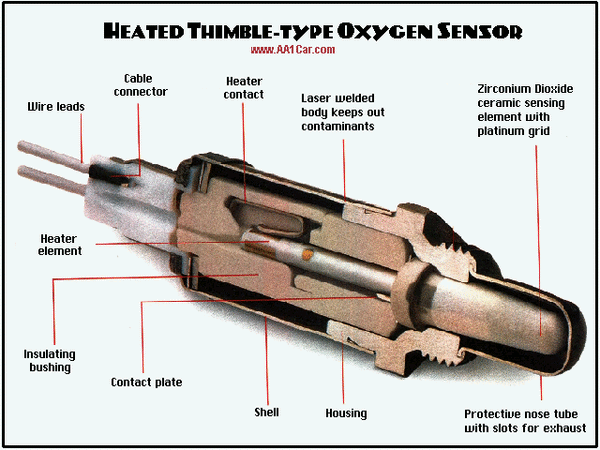
Oxygen sensors measure the amount of oxygen in a vehicle’s exhaust. This helps the engine control the air and fuel mix.
The sensor sends signals to the engine computer. The computer adjusts the fuel injection for better efficiency.
Types Of Oxygen Sensors
There are different types of oxygen sensors used in cars. Each type works in a slightly different way.
- Zirconia sensors: Use a ceramic element to detect oxygen levels.
- Titania sensors: Change electrical resistance based on oxygen content.
- Wideband sensors: Measure a broad range of oxygen levels for precise control.
Sensor Placement In Vehicles
Oxygen sensors are placed in the exhaust system. Their position affects how well they can read oxygen levels.
Common sensor locations include before and after the catalytic converter. This helps monitor emissions and engine performance.
- Upstream sensor: Located before the catalytic converter to check fuel mixture.
- Downstream sensor: Located after the catalytic converter to monitor emissions.
Impact On Fuel Efficiency
Oxygen sensors help cars use fuel better. They check the air and fuel mix in the engine.
Good fuel use means the car saves gas and runs cleaner. Oxygen sensors play a key role in this process.
Fuel-air Mixture Optimization
Oxygen sensors measure oxygen levels in the exhaust. This helps the engine control unit adjust the fuel amount.
When the fuel and air mix is right, the engine burns fuel efficiently. This reduces waste and saves fuel.
- Detects if the mixture is too rich or too lean
- Adjusts fuel injection for best combustion
- Improves engine performance and fuel savings
Emission Control Benefits
Oxygen sensors help lower harmful gases from cars. They keep emissions within safe limits.
Lower emissions mean less pollution and better air quality. This also helps the car pass emission tests.
- Reduces carbon monoxide and nitrogen oxides
- Supports catalytic converter efficiency
- Promotes cleaner exhaust gases
Signs Of A Failing Oxygen Sensor
The oxygen sensor plays a key role in your car’s fuel system. It helps control fuel efficiency by measuring oxygen levels in the exhaust. A failing sensor can cause poor fuel economy and engine issues.
Detecting early signs of a bad oxygen sensor can save you money and improve your car’s performance. Look for these common symptoms and use proper diagnostic methods to find problems.
Common Symptoms
A failing oxygen sensor causes several clear symptoms. These signs affect how your car runs and uses fuel. Notice these problems to avoid bigger repairs later.
- Check engine light turns on
- Engine runs rough or misfires
- Poor fuel economy or increased gas use
- Failed emissions test
- Black smoke from the exhaust
- Strong fuel smell around the car
Diagnostic Methods
Proper diagnosis helps confirm a bad oxygen sensor. Mechanics use tools and tests to check sensor function and engine data.
Common diagnostic steps include reading error codes and testing sensor voltage. This process finds faults quickly and guides repairs.
- Use an OBD-II scanner to read trouble codes
- Check sensor voltage with a multimeter
- Inspect wiring and sensor connections
- Monitor fuel trim data during engine operation
- Test sensor response time under different conditions

Credit: www.tomorrowstechnician.com
Maintaining And Replacing Sensors
Oxygen sensors help engines burn fuel more efficiently. Keeping them in good shape saves fuel and reduces pollution.
Replacing worn sensors on time keeps your car running well. Let’s look at maintenance tips and how to pick the right sensor.
Recommended Maintenance Intervals
Oxygen sensors wear out over time. Regular checks help keep fuel use low. Most sensors last between 60,000 and 100,000 miles.
- Check sensors every 30,000 miles for signs of damage.
- Replace sensors at 60,000 to 90,000 miles based on vehicle manual.
- Inspect wiring and connectors during oil changes.
- Watch for engine warning lights that may signal sensor issues.
Choosing The Right Replacement
Picking the correct oxygen sensor ensures your engine runs smoothly. Use these tips to find the best fit for your vehicle.
| Factor | What to Check |
| Compatibility | Match sensor to your car’s make, model, and year |
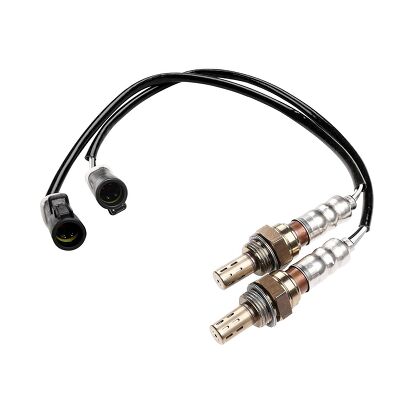
| Sensor Type | Choose heated or unheated based on original sensor |
| Brand | Select trusted brands with good reviews |
| Warranty | Look for sensors with at least 1 year warranty |
Credit: www.autoguide.com
Frequently Asked Questions
What Is An Oxygen Sensor In A Car?
An oxygen sensor measures oxygen levels in exhaust gases to help control fuel mix.
How Do Oxygen Sensors Improve Fuel Efficiency?
They adjust fuel supply for better combustion, saving fuel and reducing waste.
Where Are Oxygen Sensors Located In Vehicles?
Usually, they are found in the exhaust manifold or exhaust pipe.
How Often Should Oxygen Sensors Be Replaced?
Typically, every 60,000 to 90,000 miles for best performance and fuel savings.
What Happens If An Oxygen Sensor Fails?
Fuel economy drops, emissions rise, and the engine may run poorly.
Conclusion
Oxygen sensors help cars use fuel more efficiently. They check air and fuel balance in the engine. This keeps the engine running smoothly and saves gas. Good fuel efficiency means fewer trips to the pump. It also reduces harmful gases released into the air.
Keeping oxygen sensors in good shape matters a lot. They play a key role in saving money and protecting the environment. Small parts, big impact. Understanding how oxygen sensors work helps you care for your car better.