

Role Of Camshaft In Engine Performance: Unlocking Maximum Power
Last Updated on August 17, 2026
If you want your engine to run smoothly and powerfully, understanding the role of the camshaft is key. The camshaft might seem like a small part, but it controls how your engine breathes and performs.
Without it working right, your car could lose power, waste fuel, or even suffer damage. You’ll discover how the camshaft impacts your engine’s performance and why paying attention to it can make a real difference in your driving experience. Keep reading to unlock the secrets that can help you get the most out of your vehicle.

Credit: www.chevyhardcore.com
Camshaft Basics
The camshaft is a key part of an engine. It controls the opening and closing of valves. This helps the engine breathe and work well.
Understanding how a camshaft works helps explain engine power and performance. It plays a big role in timing and fuel use.
Camshaft Function In Engines
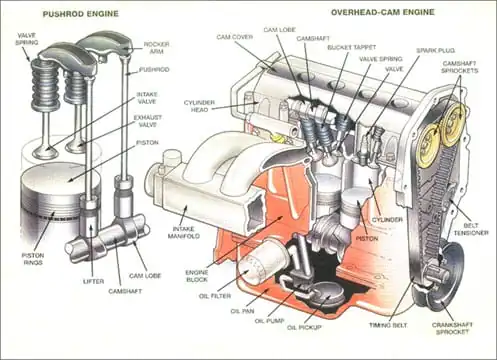
The camshaft turns inside the engine block. It pushes on valves to open and close them. This lets air in and exhaust out at the right time.
- Controls valve timing
- Regulates air and fuel flow
- Affects engine speed and power
- Keeps engine running smoothly
Types Of Camshafts
There are different camshaft types. Each type changes how the engine performs. Some are good for speed, others for fuel saving.
| Type | Description | Use |
| Single Overhead Camshaft (SOHC) | One camshaft per cylinder head | Good balance of power and efficiency |
| Double Overhead Camshaft (DOHC) | Two camshafts per cylinder head | Better performance and higher RPM |
| Pushrod Camshaft | Located in engine block, uses pushrods | Simple design, used in older engines |
Camshaft And Engine Power
The camshaft plays a key role in an engine’s performance. It controls how the valves open and close.
Proper camshaft function helps the engine produce more power and run smoothly.
Impact On Valve Timing
The camshaft sets the timing for valve opening and closing. This timing affects engine power and efficiency.
- Early valve opening can improve power at high speeds.
- Late valve closing helps increase torque at low speeds.
- Correct valve timing balances power and fuel economy.
- Advanced timing can boost performance but may increase emissions.
Effect On Air-fuel Mixture
The camshaft impacts how much air and fuel enter the engine. This mix is crucial for combustion.
| Camshaft Feature | Effect on Air-Fuel Mixture |
| Lobe Shape | Controls valve lift and duration for air flow |
| Valve Overlap | Allows fresh air in while pushing out exhaust gases |
| Timing | Affects how completely the mixture fills the cylinder |
Optimizing Camshaft For Performance
The camshaft controls the opening and closing of engine valves. It plays a key role in engine power and efficiency.
Optimizing the camshaft can improve how the engine breathes. This leads to better performance and response.
Selecting The Right Cam Profile
Choosing the correct cam profile affects engine speed and torque. Different profiles suit different driving needs.
- Low-lift cams improve fuel efficiency.
- High-lift cams increase air intake for power.
- Long duration cams keep valves open longer for high RPM.
- Short duration cams enhance low-end torque.
Camshaft Upgrades And Modifications
Upgrading the camshaft can boost engine output. Modifications include changing lobes and using stronger materials.
| Upgrade Type | Effect | Best Use |
| Performance Cam | Increases horsepower | Racing and high-speed driving |
| Roller Cam | Reduces friction | Durability and smooth operation |
| Custom Grind | Tailored valve timing | Specific engine tuning goals |
| Lightweight Cam | Improves engine response | Quick throttle response |
Credit: www.sunautoservice.com
Common Camshaft Issues
The camshaft controls engine valve timing. It affects how well the engine breathes and runs.
Over time, camshafts face wear and problems. These issues can lower engine power and efficiency.
Wear And Tear Signs
Camshaft wear shows through several signs. Early detection helps avoid bigger engine damage.
- Unusual engine noise, like ticking or tapping
- Rough idling or misfiring
- Reduced fuel efficiency
- Visible damage on the cam lobes
- Difficulty starting the engine
Troubleshooting Performance Drops
Engine power drops may link to camshaft problems. Checking camshaft condition is key to fix issues.
| Symptom | Possible Cause | Action |
| Low engine power | Worn cam lobes | Inspect and replace camshaft |
| Engine misfires | Improper valve timing | Check camshaft timing and adjust |
| Engine noise | Worn lifters or bearings | Replace lifters or bearings |
| Poor fuel economy | Faulty camshaft sensor | Test and replace sensor |

Credit: www.dragzine.com
Frequently Asked Questions
What Is The Main Function Of A Camshaft In An Engine?
The camshaft controls the opening and closing of engine valves to manage air and fuel flow.
How Does Camshaft Timing Affect Engine Performance?
Correct timing ensures efficient fuel burning and power output by syncing valve movements with piston strokes.
Can Camshaft Design Impact Fuel Efficiency?
Yes, camshaft shape and timing influence how well fuel burns, affecting engine fuel consumption.
What Happens If The Camshaft Is Worn Out?
A worn camshaft causes poor valve movement, leading to reduced engine power and rough running.
How Do Camshaft Upgrades Improve Engine Power?
Upgraded camshafts change valve timing and lift, allowing the engine to breathe better and produce more power.
Conclusion
The camshaft controls the engine’s breathing and timing. It helps the engine run smoothly and efficiently. Changing the camshaft can affect power and fuel use. Knowing its role helps you understand engine performance better. Small parts make a big difference in how engines work.
Keep this in mind when learning about car engines. The camshaft is key to engine strength and speed. Understanding it can improve your car knowledge. Simple but important—camshaft matters.


