

Importance Of Regular Brake Inspection: Ensure Safety & Save Money
Last Updated on August 17, 2026
Your brakes are one of the most important safety features on your vehicle. But how often do you stop to think about their condition?
Regular brake inspection is not just a routine check—it can save your life and protect your loved ones. Ignoring this simple step could lead to costly repairs or, worse, dangerous accidents. Keep reading to discover why staying on top of your brake health is crucial and how it helps you drive with confidence every day.
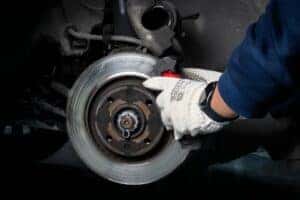
Credit: www.beavertoninfiniti.com
Signs Of Brake Wear
Brakes are very important for your safety on the road. Checking them often helps avoid accidents.
Worn brakes show clear signs. You should learn to recognize these signs early to fix problems.
Squeaking And Grinding Noises
Squeaking sounds often mean the brake pads are wearing thin. Grinding noises mean the pads are gone.
- Squeaking when you press the brake pedal
- Grinding or scraping sounds
- Noises increase with speed or pressure
- Sounds stop when brakes are released
Reduced Brake Responsiveness
If your brakes feel weak or need more push, the brake system may have worn parts.
| Symptom | Possible Cause |
| Longer stopping distance | Worn brake pads or shoes |
| Soft or spongy brake pedal | Brake fluid leak or air in lines |
| Brake pedal feels hard | Brake booster problem |
Vibrations And Pulling
Shaking or pulling to one side means brake parts or tires may be damaged or uneven.
- Vibrations felt in the brake pedal or steering wheel
- Car pulls left or right when braking
- Uneven brake pad wear
- Warped brake rotors

Credit: www.trucksales.com.au
Safety Benefits Of Inspections
Regular brake inspections help keep your vehicle safe. They find problems early before they cause trouble.
Checking brakes often improves how well your car stops. This lowers risks while driving.
Preventing Accidents
Brake inspections catch worn parts that reduce stopping power. Fixing them stops accidents from happening.
Good brakes mean you can stop quickly in emergencies. This lowers crash chances on busy roads.
- Detect brake pad wear early
- Find leaks in brake fluid
- Ensure brake systems work properly
- Prevent brake failure on the road
Protecting Passengers And Pedestrians
Safe brakes protect everyone inside your car. They keep passengers safe during sudden stops.
Brakes also help avoid hitting people outside the car. Regular checks reduce danger to pedestrians.
- Keep passengers secure in emergencies
- Reduce stopping distance near crosswalks
- Help prevent pedestrian accidents
- Maintain control in all driving conditions
Cost Savings Over Time
Regular brake inspections help you save money over time. They catch small problems early. Fixing small issues costs less than big repairs.
Checking your brakes often keeps your car safe and avoids surprise expenses. It is a smart way to protect your budget.
Avoiding Major Repairs
Brake problems can grow fast if not checked. Small wear can turn into big damage. This leads to costly repairs or part replacements.
- Detect worn brake pads early
- Prevent damage to brake rotors
- Avoid brake fluid leaks
- Stop brake system failure
Extending Brake Component Life
Regular inspections help parts last longer. Clean and well-maintained brakes work better. This means you spend less on new parts.
| Component | Inspection Benefit |
| Brake Pads | Early wear detection saves replacement cost |
| Brake Rotors | Prevent warping and expensive repairs |
| Brake Fluid | Maintain proper levels to avoid system damage |
| Brake Lines | Catch leaks to prevent brake failure |
Inspection Best Practices
Regular brake inspections keep your vehicle safe on the road. They help find problems early before they get worse.
Knowing how to inspect brakes correctly saves money and prevents accidents. Follow these best practices for brake checks.
Frequency Of Brake Checks
Check your brakes often to ensure they work well. Most experts say to inspect brakes every 10,000 to 12,000 miles.
You should also check brakes if you hear noises or feel vibrations when stopping. These signs mean the brakes need attention.
- Inspect brakes every 10,000 to 12,000 miles
- Check brakes if unusual sounds occur
- Feel for vibrations when pressing the brake pedal
- Have brakes checked before long trips
Choosing A Reliable Mechanic
Pick a mechanic who knows brakes well. A skilled mechanic finds problems faster and fixes them right.
Look for mechanics with good reviews and proper certifications. Ask if they use quality parts for brake repairs.
- Choose a mechanic with brake repair experience
- Check customer reviews and ratings
- Confirm mechanic certifications and training
- Ask about the quality of replacement parts
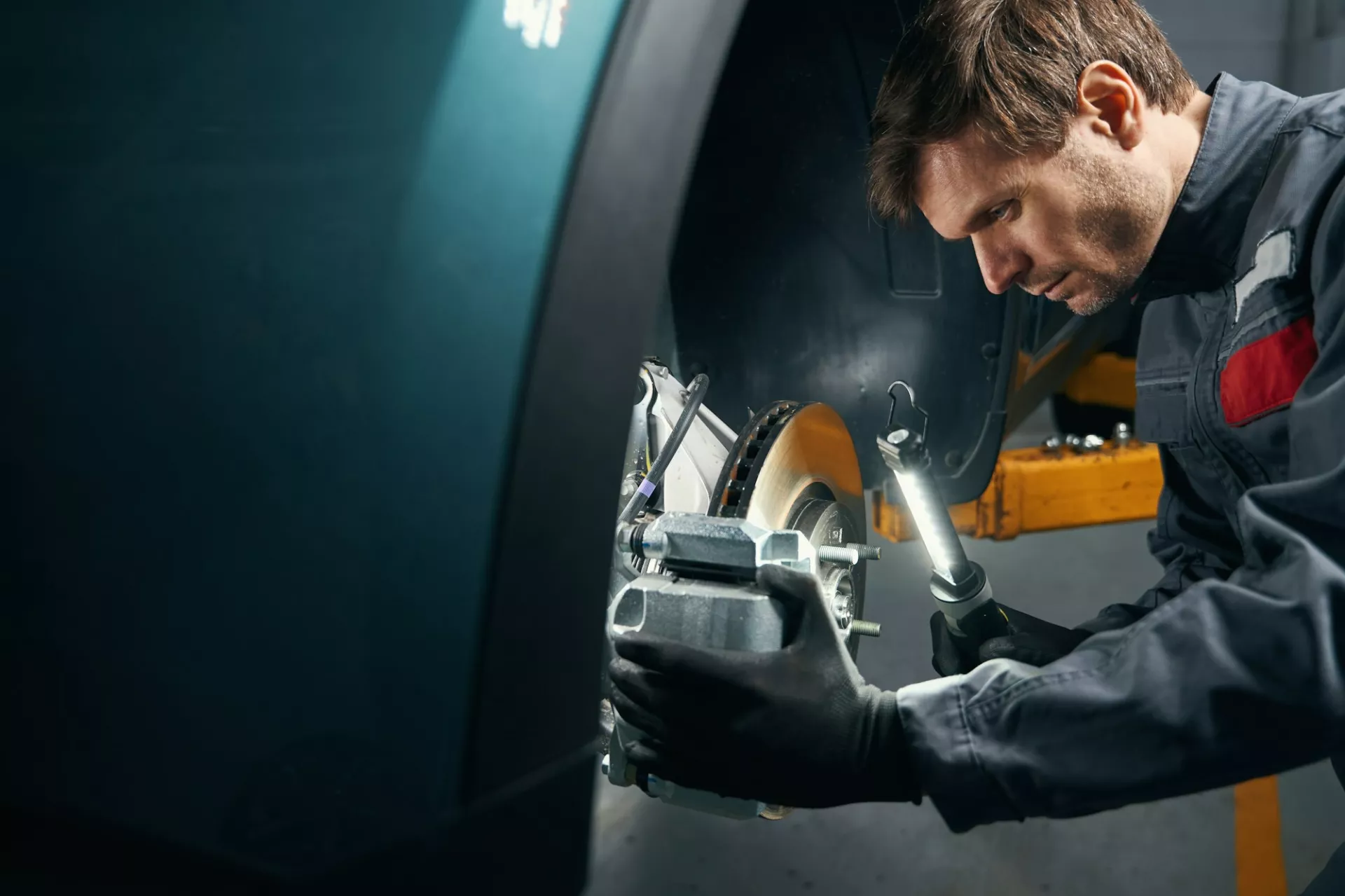
Credit: www.jandjmotorsport.com
Frequently Asked Questions
What Are The Signs Of Worn-out Brakes?
Worn-out brakes may cause squeaking, grinding noises, or a soft brake pedal feel.
How Often Should I Get My Brakes Inspected?
Brake inspection is recommended every 12,000 miles or once a year for safety.
Why Is Regular Brake Inspection Important For Safety?
It helps catch problems early, preventing accidents and costly repairs later on.
Can Brake Problems Affect Fuel Efficiency?
Yes, faulty brakes can cause drag, making your car use more fuel than needed.
What Happens If I Ignore Brake Inspection?
Ignoring can lead to brake failure, risking your safety and expensive damage to parts.
Conclusion
Regular brake inspections keep your car safe on the road. They help find problems before they get worse. Stopping distance stays short, reducing accident risks. Inspections save money by avoiding costly repairs later. Your brake system works better and lasts longer.
Drive with confidence and peace of mind. Don’t ignore signs of brake wear or noise. Schedule checks often to protect yourself and others. Safe brakes mean safer journeys every time. Simple steps make a big difference in safety.


