Last Updated on November 25, 2025 by Aaron Blake
When you’re working on auto repairs, your safety should never take a backseat. Imagine a simple mistake causing serious injury—something you could avoid with the right gear.
Protective equipment isn’t just a box to check; it’s your shield against cuts, burns, and harmful chemicals. If you want to keep your hands steady and your body safe while fixing cars, understanding the importance of protective gear is a must.
Keep reading to discover how the right equipment can protect you and make your repair work smoother and safer.
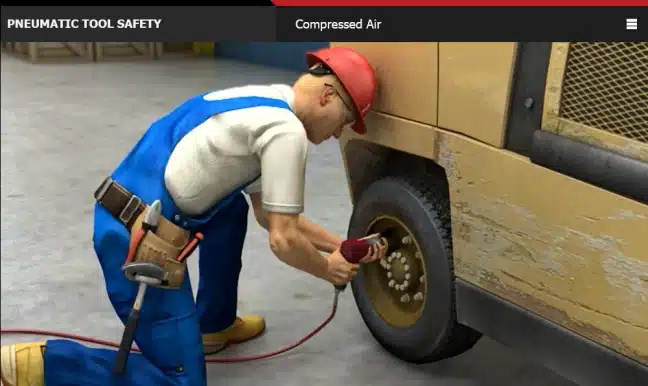
Credit: www.vectorsolutions.com
Contents
Types Of Protective Gear
Protective gear is essential for safety in auto repair work. It helps prevent injuries and keeps workers safe.
This guide covers key types of protective gear used in auto repair shops.
Gloves And Hand Protection
Gloves protect hands from cuts, chemicals, and burns. They come in different materials like latex, nitrile, and leather.
Choosing the right gloves depends on the task and type of exposure.
Eye And Face Shields
Eye protection prevents injuries from flying debris and harmful liquids. Safety glasses and face shields are common options.
- Safety glasses with side shields
- Full face shields for grinding and cutting
- Goggles for chemical splashes
Respiratory Masks
Respiratory masks protect lungs from dust, fumes, and harmful gases. They come in various types for different risks.
| Mask Type | Use | Protection Level |
| Disposable Dust Mask | Light dust and particles | Basic |
| Half-Face Respirator | Paint fumes and chemicals | Medium |
| Full-Face Respirator | High-risk chemicals and gases | High |
Protective Clothing And Footwear
Protective clothing guards the body from burns, cuts, and chemicals. Footwear helps prevent foot injuries from heavy objects and slips.
- Coveralls and aprons made of flame-resistant materials
- Steel-toe boots for foot protection
- Non-slip soles to avoid falls
Credit: www.falltech.com
Common Hazards In Auto Repair
Auto repair work has many risks that can cause injuries. Knowing these hazards helps workers stay safe.
Using the right protective gear protects workers from harm. This gear is important every day on the job.
Chemical Exposure
Auto repair shops use many chemicals like oils, solvents, and cleaners. These chemicals can harm skin and lungs.
Protective gear like gloves and masks stops chemicals from causing burns or breathing problems.
- Wear gloves that resist chemicals
- Use masks to avoid inhaling fumes
- Work in well-ventilated areas
Sharp Objects And Tools
Auto repair uses many sharp tools like knives, screwdrivers, and metal parts. These can cause cuts and punctures.
Wearing thick gloves and sturdy clothing protects skin from sharp edges and flying debris.
- Use gloves to protect hands
- Wear boots to protect feet
- Keep tools sharp and in good condition
Noise And Vibration
Machines and tools make loud noise and strong vibrations. These can hurt hearing and cause hand problems.
Ear protection and anti-vibration gloves reduce these risks and keep workers comfortable.
- Use earplugs or earmuffs to protect hearing
- Wear gloves that reduce vibration
- Take breaks to limit noise exposure
Fire And Electrical Risks
Auto repair shops have flammable liquids and electrical equipment. These can cause fires or electric shocks.
Fire-resistant clothing and insulated gloves help protect against burns and shocks.
- Avoid loose clothing near flames
- Wear fire-resistant gear
- Use insulated gloves when handling electricity
Choosing The Right Gear
Protective gear is essential in auto repair to keep workers safe. Choosing the right gear helps prevent injuries and accidents.
Selecting proper equipment means looking at materials, fit, and safety rules. Each factor plays a key role in protection.
Material And Durability
Protective gear should be made from strong materials that last long. Durable gear stands up to heat, chemicals, and sharp objects.
- Look for materials like leather, rubber, or heavy-duty fabric
- Check if the gear resists tears and punctures
- Choose items that can handle exposure to oils and solvents
Proper Fit And Comfort
Gear that fits well keeps workers safe and comfortable. Poor fit can cause slips or distractions.
| Gear Type | Fit Tips | Comfort Features |
| Gloves | Snug but flexible | Breathable lining |
| Safety Glasses | Close to face without pressure | Lightweight frames |
| Work Boots | Supportive with room for toes | Padded insoles |
Compliance With Safety Standards
Choose gear that meets official safety rules. Certified gear ensures tested protection.
Look for labels like:
- ANSI (American National Standards Institute)
- OSHA (Occupational Safety and Health Administration)
- CE (Conformité Européenne)
These marks show the gear passed strict safety tests.
Maintenance And Care Of Gear
Protective gear is essential in auto repair to keep workers safe. Proper care helps the gear last longer.
Maintaining and caring for gear ensures it works well every time you use it. This guide explains how.
Cleaning Procedures
Clean your protective gear after each use to remove dirt and chemicals. This prevents damage and keeps it safe.
Use mild soap and water for most gear. Avoid harsh chemicals that can break down materials.
- Remove loose dirt with a soft brush
- Wash with warm water and mild soap
- Rinse thoroughly to remove soap
- Let gear air dry in a shaded area
- Do not use direct heat or sunlight
Regular Inspections
Check your protective gear regularly for signs of wear or damage. Inspections keep you safe while working.
Look for cracks, tears, or loose parts. Replace or repair gear if you find any problems.
- Inspect gloves for holes and thinning
- Check helmets for cracks or dents
- Look at safety glasses for scratches
- Test straps and fasteners for firmness
- Examine boots for sole wear or damage
Replacement Guidelines
Replace protective gear when it no longer protects you properly. Old or damaged gear is unsafe to use.
Follow the manufacturer’s advice on how long to use each item. Replace gear sooner if it gets damaged.
- Replace gloves if torn or worn thin
- Change helmets after strong impacts
- Swap safety glasses when scratched
- Replace boots with worn soles or holes
- Update respirators as recommended by the maker
Credit: townautobody.ca
Frequently Asked Questions
What Types Of Protective Gear Are Essential In Auto Repair?
Essential gear includes gloves, safety glasses, ear protection, and steel-toe boots for safety.
Why Is Wearing Gloves Important During Car Repairs?
Gloves protect hands from cuts, burns, chemicals, and dirt while working on vehicles.
How Do Safety Glasses Protect Auto Repair Workers?
Safety glasses shield eyes from flying debris, sparks, and harmful liquids during repairs.
Can Ear Protection Prevent Hearing Loss In Auto Repair Shops?
Yes, ear protection reduces noise exposure from loud tools and machinery, preventing hearing damage.
What Risks Do Steel-toe Boots Reduce In Auto Repair Work?
Steel-toe boots protect feet from heavy falling objects and sharp tools in the workshop.
Conclusion
Wearing protective gear keeps you safe during auto repairs. It lowers the risk of injuries and accidents. Gloves, goggles, and masks protect your skin, eyes, and lungs. Safe practices help you work with more confidence. Remember, safety is key to finishing the job well.
Don’t skip protective gear—it makes all the difference. Stay safe, work smart, and protect yourself every time.