

Can A Check Engine Light Come On For Oil Change? Explained!
Last Updated on August 17, 2026
Have you ever noticed your check engine light flicker on right after an oil change? It can be confusing and even a little scary.
You might wonder, “Is something wrong with my car, or is this normal? ” Understanding why your check engine light comes on after an oil change can save you time, money, and stress. You’ll discover the common reasons behind this warning and learn exactly what steps you should take to keep your car running smoothly.
Keep reading to find out how to protect your engine and avoid unnecessary repairs.

Check Engine Light Basics
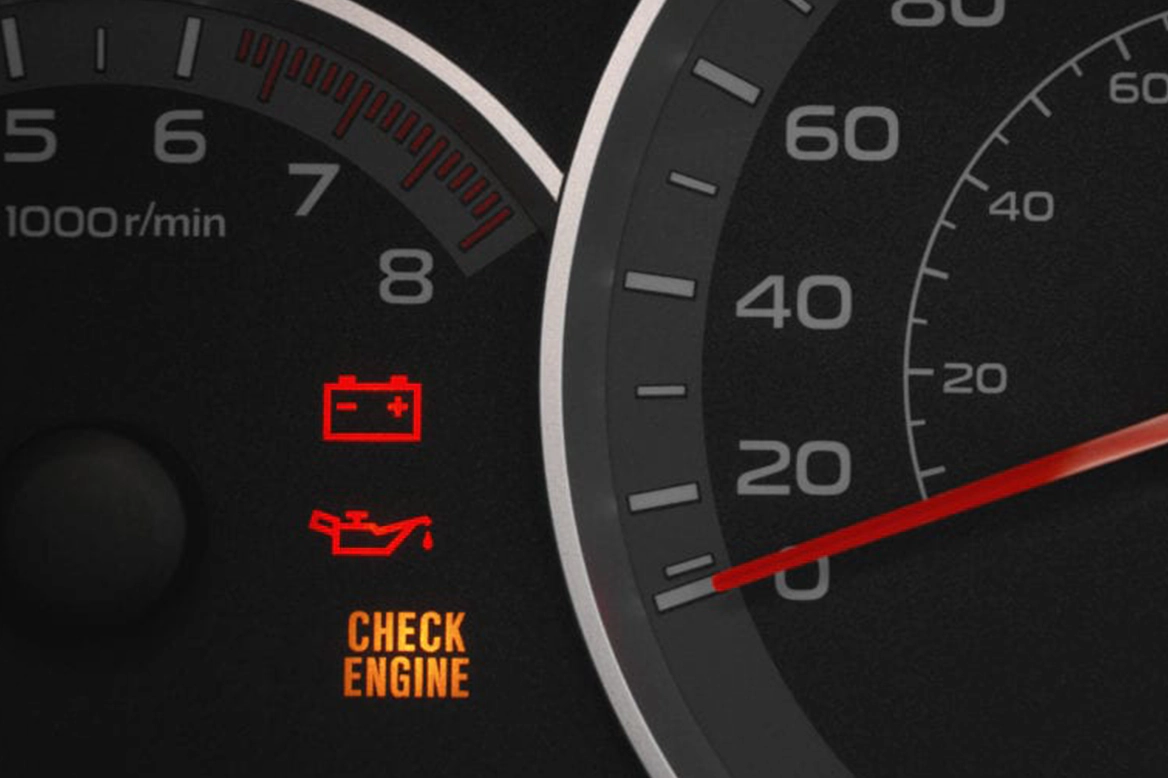
The check engine light is a warning indicator on your car’s dashboard. It signals that the vehicle’s computer has detected a problem. The light can come on for various reasons. It might be something simple or something that needs urgent attention.
Understanding the basics of the check engine light helps you respond properly. It is not always an emergency, but ignoring it can cause damage. The light often comes on before you notice other symptoms.
What Does The Check Engine Light Mean?
The check engine light means the car’s computer found an issue. It could be related to the engine, exhaust, fuel system, or emissions. The light will stay on until the problem is fixed. Sometimes it flashes, which means a serious problem.
Common Reasons For The Check Engine Light
- Loose or damaged gas cap
- Faulty oxygen sensor
- Bad spark plugs or wires
- Mass airflow sensor problems
- Issues with the catalytic converter
- Engine misfire
Can An Oil Change Trigger The Check Engine Light?
The check engine light usually does not come on just for an oil change. Oil changes keep the engine healthy but do not affect sensors directly. However, if the oil is low or dirty, it might cause engine problems that trigger the light.
Sometimes, if the oil change is done incorrectly, sensors may detect an issue. For example, if the oil filter is not installed properly, the engine might not work well. This can cause the check engine light to turn on.
Credit: www.sunautoservice.com
Role Of Oil In Engine Performance
Engine oil plays a crucial role in keeping your vehicle running smoothly. It lubricates moving parts, reduces friction, and helps prevent engine wear. Clean oil ensures your engine stays cool and operates efficiently.
Without proper oil, engine components can overheat or seize. This can cause serious damage and lead to costly repairs. Regular oil changes help maintain oil quality and engine health.
Lubrication And Friction Reduction
Oil forms a thin layer between engine parts. This layer stops metal from grinding against metal. Friction reduction lowers wear and tear on the engine. It also helps improve fuel efficiency by allowing parts to move freely.
Heat Dissipation
Engine oil absorbs heat from moving parts. It carries this heat away to prevent overheating. This cooling effect helps maintain a safe engine temperature. Without oil, the engine could quickly overheat and fail.
Cleaning And Contaminant Removal
Oil traps dirt, metal particles, and other debris. It carries these contaminants to the oil filter. This keeps the engine clean and prevents damage. Fresh oil keeps the cleaning process effective.
Sealing Engine Components
Oil helps seal gaps between piston rings and cylinder walls. This improves engine compression and power. Good sealing also prevents oil leaks and reduces emissions.
Oil Change And Warning Indicators
The check engine light can be confusing, especially when you’ve just had an oil change. Many drivers wonder if these two events are connected. Understanding how oil changes relate to warning indicators can help you stay on top of your vehicle’s health and avoid unnecessary worry.
How Oil Changes Affect Your Vehicle’s Sensors
Your car relies on sensors to monitor engine performance, including oil quality and levels. When you change your oil, these sensors reset or detect new fluid conditions. Sometimes, the check engine light may come on if the sensors detect an issue during or after the oil change, such as incorrect oil type or a loose oil cap.
Common Oil Change-related Warning Lights
Not all warning lights mean the same thing. The check engine light covers many engine issues, while the oil pressure or oil change reminder lights specifically address oil-related concerns.
- Oil Pressure Warning:Indicates low oil pressure, which is critical and needs immediate attention.
- Oil Change Reminder:A simple reminder to change oil, often reset after the service.
- Check Engine Light:Could signal issues beyond oil, such as sensor faults or engine misfires.
Why Your Check Engine Light Might Stay On After An Oil Change
If your check engine light remains on after an oil change, it might be due to:
- A sensor malfunction or dirty sensor that wasn’t fixed during the oil change.
- An oil cap that wasn’t tightened properly, causing pressure issues.
- The oil type used may not meet your vehicle’s specifications.
Have you ever experienced a warning light after a routine oil change? It’s worth double-checking these details before panicking.
Steps To Take If The Check Engine Light Comes On After An Oil Change
Don’t ignore the light. Here’s what you can do:
- Check that the oil cap is secure and the correct oil was used.
- Use an OBD-II scanner to read the error codes or visit a mechanic.
- Reset the oil change reminder light if it wasn’t done during service.
These actions can help you quickly identify if the issue is minor or requires professional attention.
Addressing Check Engine Light Concerns

The check engine light can cause worry for many drivers. It signals that the car’s system has detected an issue. Sometimes, the light turns on after an oil change. Understanding why this happens helps reduce stress and ensures proper care for your vehicle.
Knowing how to address check engine light concerns keeps your car running smoothly. It also prevents small problems from turning into costly repairs. Here are key points to consider when this light appears after an oil change.
Can An Oil Change Trigger The Check Engine Light?
The check engine light may come on if the oil change was done incorrectly. For example, a loose gas cap or a sensor disturbed during the service can cause it. The light does not come on simply because the oil is old or needs changing.
Common Causes Related To Oil Change
- Loose or missing gas cap
- Incorrect oil type or level
- Sensor issues or disconnections
- Oil filter problems
Steps To Take When The Light Comes On
First, check the gas cap and tighten it if loose. Next, verify the oil level and type used. If the light stays on, have a mechanic scan for error codes. These codes help identify the exact problem quickly.
Why Ignoring The Light Can Be Risky
The check engine light warns about engine or emissions system problems. Ignoring it may cause worse damage and higher repair costs. Early action can protect your engine and keep your car safe to drive.
Frequently Asked Questions
Can A Check Engine Light Indicate An Oil Change Is Needed?
The check engine light usually signals engine issues, not oil changes. Oil change reminders come separately.
Why Doesn’t The Check Engine Light Flash For Oil Changes?
Oil changes are routine and tracked by mileage, not engine sensors triggering the light.
Can Ignoring Oil Change Cause The Check Engine Light To Turn On?
Yes, old or low oil can cause engine problems, triggering the check engine light.
What Should I Do If The Check Engine Light Comes On After Oil Change?
Check for loose oil cap or sensor issues. If it stays on, get a mechanic to check.
Conclusion
A check engine light can sometimes signal an oil change need. It may also warn about other engine issues. Never ignore the light on your dashboard. Regular oil changes keep your engine healthy and running well. Always check your car’s manual for proper oil change timing.
Drive safely and maintain your vehicle to avoid costly repairs. Stay alert and act quickly if the light comes on. This helps your car last longer and perform better.


