


Last Updated on April 15, 2026
Have you ever wondered what makes your car’s engine powerful and efficient? The secret often lies in something called the compression ratio.
Understanding this simple but crucial number can help you make smarter choices about your vehicle’s performance, fuel efficiency, and even maintenance. You’ll discover exactly what engine compression ratio means, why it matters to your ride, and how it affects the way your engine runs.
By the time you finish reading, you’ll have the knowledge to better appreciate what’s happening under your hood—and maybe even boost your car’s performance. Let’s dive in!
Credit: www.makeiteasyhub.com
What Compression Ratio Means
The compression ratio is a key measure in engines. It shows how much the engine compresses air and fuel.
This ratio affects engine power, fuel use, and emissions. Understanding it helps explain how engines work.
Definition Of Compression Ratio
The compression ratio compares the cylinder volume at bottom and top positions. It is the volume when the piston is at the bottom divided by the volume when it is at the top.
How Compression Ratio Affects Engine Performance
A higher compression ratio can increase engine power and efficiency. It squeezes the air-fuel mix more tightly, making combustion stronger.
Lower compression ratios reduce power but can prevent engine knocking. This is important for engine safety and longevity.
Common Compression Ratios In Engines
| Engine Type | Typical Compression Ratio |
| Gasoline Engines | 8:1 to 12:1 |
| Diesel Engines | 14:1 to 25:1 |
| High-Performance Engines | 10:1 to 13:1 |
| Older Engines | 6:1 to 8:1 |
Why Compression Ratio Matters
- Higher ratios improve fuel efficiency.
- They increase engine power output.
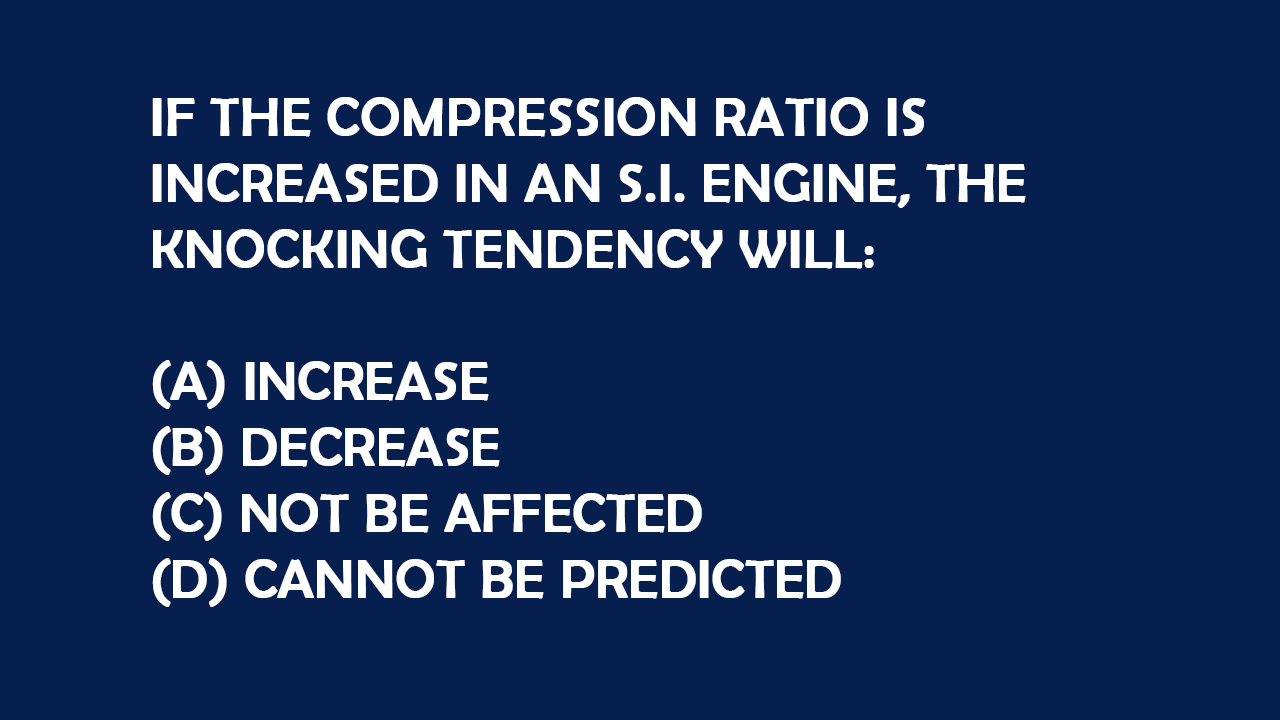
- Too high a ratio can cause engine knocking.
- It affects the type of fuel an engine needs.
Credit: www.nissan-global.com
How Compression Affects Performance
Compression ratio is a key factor in engine performance. It affects power, fuel efficiency, and emissions. Understanding how compression works helps explain engine behavior.
Engines compress the air-fuel mixture before ignition. The compression ratio is the volume change from the cylinder’s largest to smallest space. Higher compression ratios usually increase engine power.
Power Output And Compression
Higher compression ratios make the engine produce more power. This happens because compressed fuel burns more completely. The engine extracts more energy from the fuel in each cycle.
Engines with low compression ratios produce less power. They are simpler but less efficient. Racing engines often use very high compression ratios for maximum power.
Fuel Efficiency
Compression ratio affects how much fuel the engine uses. Higher compression engines burn fuel better. This means better mileage and less waste.
- Higher compression gives better fuel economy.
- Lower compression uses more fuel for the same power.
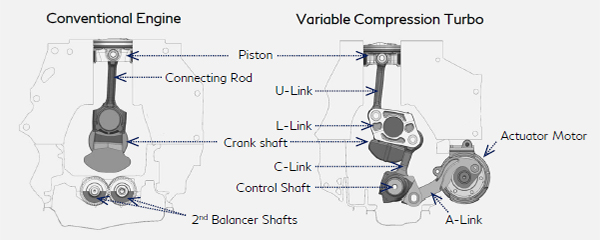
- Modern engines use variable compression for balance.
Engine Knock And Compression
Engine knock happens when fuel ignites too early. High compression ratios increase knock risk. This can damage the engine over time.
| Compression Ratio | Knock Risk | Fuel Type Needed |
| 8:1 | Low | Regular Gasoline |
| 10:1 | Medium | Mid-Grade Gasoline |
| 12:1 and above | High | Premium Gasoline |
Impact On Emissions
Higher compression ratios lower some emissions by burning fuel more fully. This reduces carbon monoxide and hydrocarbons. But it may increase nitrogen oxides.
Key Points:
- Better fuel burn lowers some pollutants.
- Higher combustion temperature raises nitrogen oxide levels.
- Engine design controls emissions alongside compression ratio.
Factors Influencing Compression Ratio
The compression ratio is the volume difference in a cylinder before and after compression. It affects engine power and efficiency.
Many factors change the compression ratio in an engine. These determine how well the engine runs and how much fuel it uses.
Cylinder Volume
The size of the cylinder affects the compression ratio. A smaller volume after compression means a higher ratio.
Engine designers change cylinder size to control compression. Smaller cylinders usually increase the compression ratio.
Piston Design
The shape and position of the piston head affect the compression. A piston that moves closer to the cylinder head raises the ratio.
Some pistons have domes or valves cutouts to change the volume inside the cylinder. This design helps adjust compression.
Combustion Chamber Size
The combustion chamber holds the air and fuel mixture. Smaller chambers lead to higher compression ratios.
Engine makers can modify this chamber’s size to improve engine power or prevent knocking.
Head Gasket Thickness
The head gasket sits between the cylinder head and engine block. Thinner gaskets reduce the space, increasing compression.
Using thicker gaskets lowers the compression ratio by increasing the combustion chamber volume.
Engine Stroke Length
The stroke is how far the piston moves up and down. A longer stroke increases compression by reducing the volume at top dead center.
Engines with longer strokes often have higher compression ratios and better torque output.
Intake Air Temperature
Hot air expands, reducing air density in the cylinder. This can lower effective compression pressure.
Cooler intake air helps maintain higher compression pressure and improves engine efficiency.
Fuel Type
Different fuels burn differently under pressure. High-octane fuels allow higher compression ratios without engine knocking.
Low-octane fuels need lower compression ratios to avoid damage and poor performance.
Optimizing Compression For Power
Engine compression ratio affects how much power an engine can produce. It is the ratio of the cylinder volume when the piston is at the bottom to the volume when the piston is at the top.
Higher compression ratios often mean more power, but they need careful tuning to avoid engine issues.
What Is Compression Ratio?
The compression ratio is a number that shows how much the air-fuel mixture is compressed in the engine cylinder. A higher number means the mixture is squeezed more tightly before ignition.
How Compression Affects Power
Increasing compression ratio can boost engine power by making the fuel burn more efficiently. More energy is released during combustion, which pushes the piston down harder.
- Higher compression leads to better thermal efficiency
- More power output with the same fuel amount
- Improved throttle response and acceleration
- Possible risk of engine knocking if too high
Balancing Compression And Fuel Type
Different fuels can handle different compression ratios. High-octane fuels resist knocking better, allowing for higher compression ratios safely.
| Fuel Type | Recommended Compression Ratio |
| Regular Gasoline (87 octane) | 8:1 to 9.5:1 |
| Mid-grade Gasoline (89 octane) | 9:1 to 10:1 |
| Premium Gasoline (91+ octane) | 10:1 to 12:1 |
| Race Fuel | 12:1 and above |
Signs Of Too High Compression
Too much compression causes engine knock or ping. This is a sharp noise from early combustion that can damage parts.
Common signs of high compression issues include:
- Engine knocking or pinging sounds
- Reduced engine performance
- Overheating problems
- Check engine light activation

Credit: www.youtube.com
Frequently Asked Questions
What Is Engine Compression Ratio?
Engine compression ratio compares cylinder volume when piston is down to when it is up.
Why Does Compression Ratio Matter In Engines?
It affects power, fuel efficiency, and engine performance significantly.
How Does Compression Ratio Impact Fuel Consumption?
Higher compression ratios usually improve fuel efficiency by burning fuel better.
Can High Compression Ratio Cause Engine Problems?
Too high a ratio can cause knocking, damaging the engine over time.
What Is A Typical Compression Ratio For Cars?
Most cars have ratios between 8:1 and 12:1, balancing power and safety.
Conclusion
Engine compression ratio affects how your engine performs and feels. Higher ratios usually mean more power and better fuel use. Lower ratios can help avoid engine knocking. Understanding this helps you choose the right engine or make smart upgrades. Keep in mind, balance matters for safety and efficiency.
Now, you know why compression ratio plays a key role in engines. Use this knowledge to make better decisions about your vehicle. Simple, clear, and useful—just what every driver needs.


