


Last Updated on April 15, 2026
Are you confused about whether you need 4WD or AWD for your vehicle? You’re not alone.
Many people struggle to understand the key differences between these two systems and which one fits their driving needs best. Knowing the difference can save you money, improve your safety, and give you confidence on the road. Keep reading, and by the end of this article, you’ll clearly understand how 4WD and AWD work—and which one is right for you.
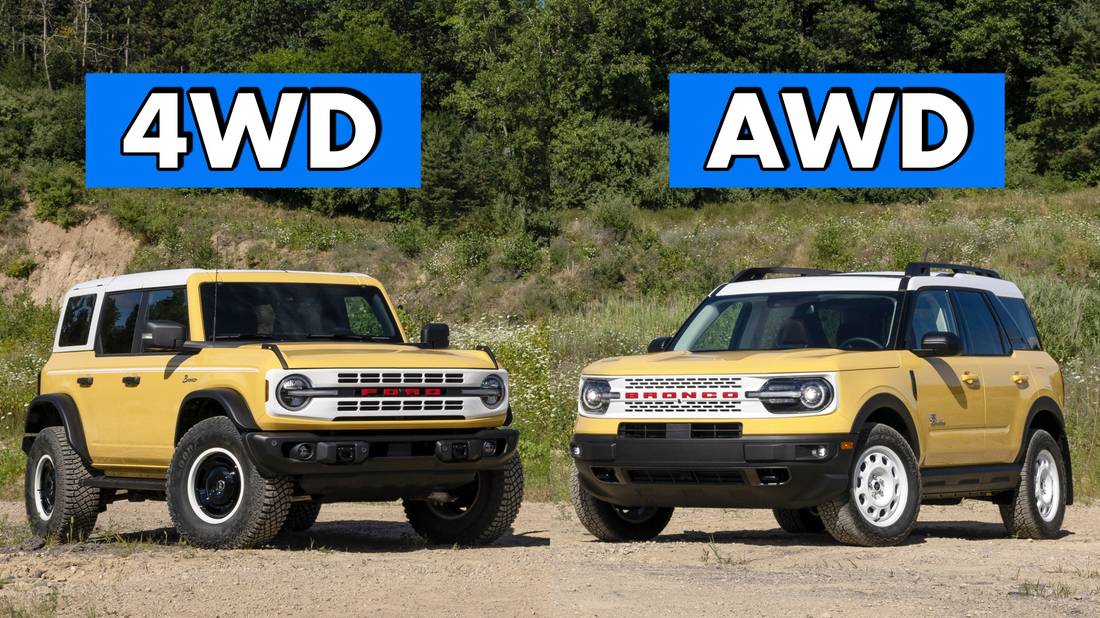
Credit: www.topspeed.com
Basics Of 4wd And Awd
4WD and AWD are systems that help vehicles move better on different surfaces. They send power to the wheels to improve traction.
Both systems work to keep the vehicle stable and safe, especially on rough or slippery roads. Yet, they do this in different ways.
What Is 4wd?
4WD stands for Four-Wheel Drive. It lets the engine power all four wheels at the same time. Drivers can turn 4WD on or off as needed.
This system is useful for off-road driving or tough conditions like mud, snow, or rocks. It gives better control on uneven ground.
What Is Awd?
AWD means All-Wheel Drive. It always powers all four wheels, but it can change how much power each wheel gets. This helps on wet or slippery roads.
AWD works automatically and does not need driver control. It is common in cars and SUVs used for city and light off-road driving.
Key Differences Between 4wd And Awd
| Feature | 4WD | AWD |
| Power Delivery | Driver controls when to use | Always on, adjusts automatically |
| Best Use | Off-road and rough terrain | On-road and light off-road |
| Complexity | Simple, rugged system | More complex with sensors |
| Fuel Efficiency | Lower when on | Generally better |
| Vehicle Type | Trucks, SUVs | Cars, SUVs |
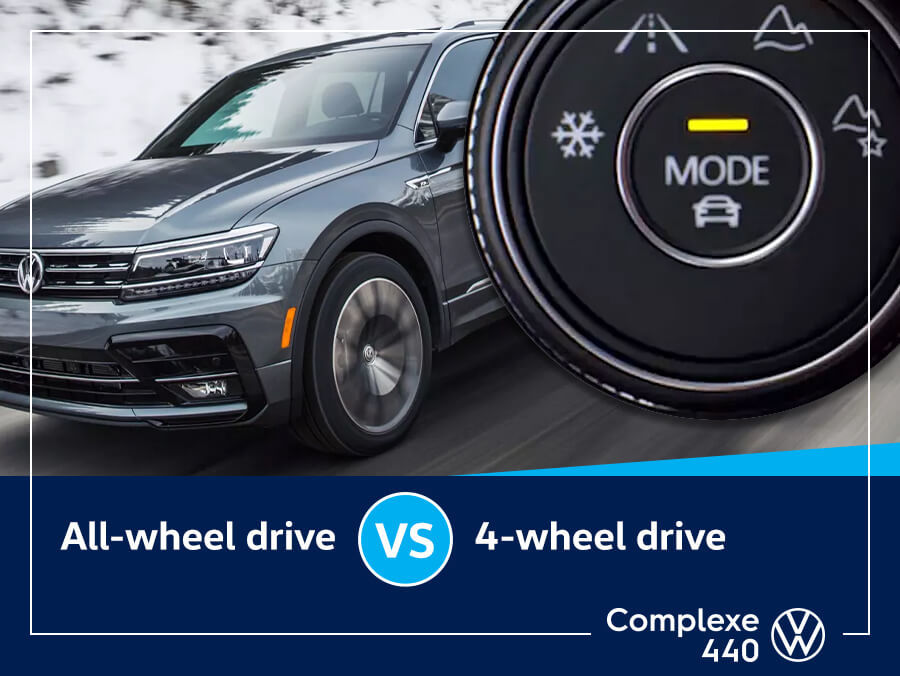
Credit: www.complexevw440.com
Performance In Different Terrains
Understanding how 4WD and AWD perform on various terrains helps you choose the right system.
Both systems improve traction but work differently depending on the surface and conditions.
4wd On Rough And Off-road Terrains
4WD delivers power to all wheels equally. It works best on rocky, muddy, or steep paths.
This system usually requires manual activation for tough conditions.
- Provides strong traction on loose surfaces
- Good for climbing steep hills
- Can handle deep mud and snow
- Needs driver control to switch modes
Awd On Mixed And Wet Surfaces
AWD automatically sends power to wheels with the best grip. It suits wet roads and light off-road.
Drivers do not need to change settings; the system adjusts on its own.
| Terrain | 4WD Performance | AWD Performance |
| Dry pavement | Less efficient, may cause wear | Good traction and control |
| Wet roads | Strong traction but needs driver control | Automatically adjusts power for safety |
| Snow and ice | Very effective with proper tires | Helpful for slippery conditions |
| Off-road trails | Excellent for rough terrain | Moderate off-road capability |
| Sand and mud | Better for deep mud and sand | May struggle in deep soft surfaces |
Choosing Based On Terrain Needs
4WD suits drivers who face tough, uneven terrains regularly.
AWD is ideal for those who want better control on city streets and occasional rough roads.
- 4WD offers manual control for serious off-roading
- AWD provides ease and safety on wet or slippery roads
- Consider terrain type before selecting a system
Fuel Efficiency And Maintenance
Choosing between 4WD and AWD affects your car’s fuel use and upkeep. Both systems help with traction, but they work differently.
This guide explains how 4WD and AWD compare in fuel efficiency and maintenance needs.
Fuel Efficiency
4WD systems are usually less fuel efficient. They add extra weight and parts that use more energy. 4WD is often on trucks and SUVs for off-road use.
AWD systems are built to work all the time or automatically. They are lighter and use less fuel than 4WD. AWD helps in rain or light snow without much fuel cost.
- 4WD adds weight, lowering fuel economy
- AWD adjusts power, saving fuel on normal roads
- 4WD is best for rough terrain, but uses more gas
- AWD is better for daily driving and mild weather
Maintenance
4WD systems have more parts like transfer cases and locking hubs. These parts need regular checks and can cost more to fix.
AWD systems are simpler to maintain because they work automatically. Still, they need routine service for differentials and sensors.
| Aspect | 4WD | AWD |
| Parts Complexity | More complex | Less complex |
| Routine Maintenance | Higher cost | Moderate cost |
| Repair Frequency | More frequent | Less frequent |
| System Operation | Manual or selectable | Automatic |
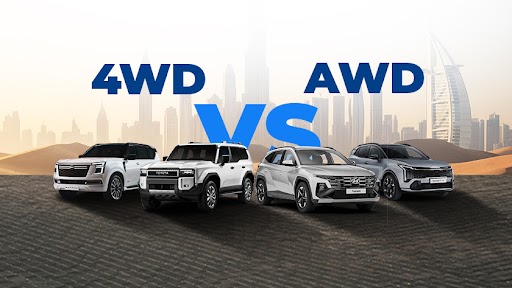
Credit: www.arabwheels.ae
Choosing The Right System For You
Choosing between 4WD and AWD can be confusing. Both systems help your vehicle handle tough roads.
This guide will explain key differences. It will help you pick the right system for your needs.
What Is 4wd?
4WD stands for four-wheel drive. It sends power to all four wheels equally. Drivers can turn it on or off.
4WD works best for off-road driving. It helps in mud, snow, and rocky areas. It is common in trucks and SUVs.
What Is Awd?
AWD means all-wheel drive. It sends power to all wheels automatically. The system adjusts power based on road conditions.
AWD is good for everyday driving. It improves grip on wet or slippery roads. Many cars and crossovers use AWD.
Differences Between 4wd And Awd
| Feature | 4WD | AWD |
| Power Delivery | Driver controlled | Automatic |
| Best Use | Off-road and rough terrain | On-road and light off-road |
| Fuel Efficiency | Lower due to heavier parts | Better than 4WD |
| Vehicle Types | Trucks, SUVs | Cars, crossovers, SUVs |
Which System Should You Choose?
Your choice depends on how you drive. Think about road types and weather you face.
- Pick 4WD if you drive off-road often.
- Choose AWD for better handling on wet roads.
- Consider fuel costs and vehicle type.
- Check if you want manual control or automatic adjustment.
Maintenance And Costs
4WD systems often need more care. They have extra parts that can wear out. Repairs may cost more.
AWD systems are simpler to maintain. They use sensors and computers to adjust power. This can mean fewer mechanical issues.
Frequently Asked Questions
What Is The Main Difference Between 4wd And Awd?
4WD powers all four wheels but is mainly for off-road. AWD works on all wheels automatically for better road grip.
Which System Is Better For Off-road Driving?
4WD is better for rough, off-road conditions because it offers more control and power to all wheels.
Can Awd Improve Driving In Rain Or Snow?
Yes, AWD helps keep better traction and stability on wet or snowy roads by powering all wheels.
Do 4wd And Awd Affect Fuel Efficiency?
4WD usually uses more fuel due to heavier parts. AWD uses less fuel but still more than 2WD.
Is Awd Suitable For Everyday City Driving?
AWD is good for daily driving, especially in rain or light snow, as it adjusts power automatically.
Conclusion
Choosing between 4WD and AWD depends on your driving needs. 4WD works best off-road and on rough paths. AWD offers better control on wet or slippery roads. Each system has its strengths and limits. Think about where and how you drive most.
This helps pick the right option for safety and comfort. Understanding these differences makes your choice clearer and smarter.


