


Last Updated on April 15, 2026
Have you ever wondered why your car doesn’t feel as powerful as it should? The secret might be hiding in your exhaust system.
How your exhaust system works can make a big difference in your vehicle’s performance. By improving it, you can unlock more power, better fuel efficiency, and a smoother ride. You’ll discover exactly how an upgraded exhaust system can transform your driving experience.
Keep reading to find out how a simple change can give your car the boost it deserves.
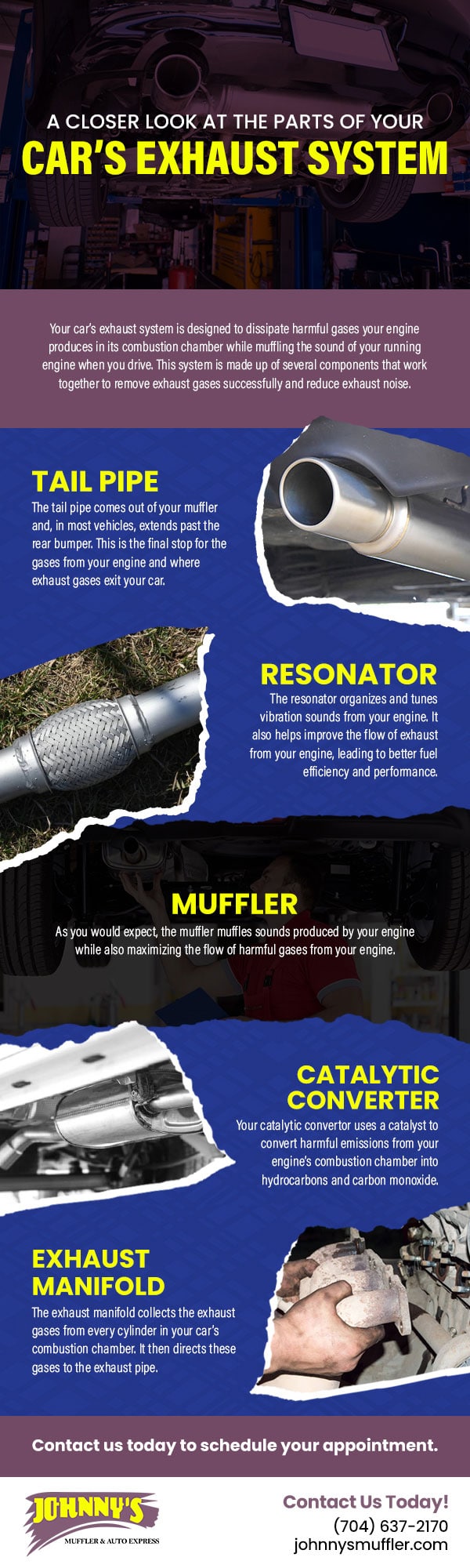
Credit: johnnysmuffler.com
Role Of Exhaust Systems
The exhaust system helps move gases out of the engine. It controls noise and reduces pollution.
A good exhaust system keeps the engine running well. It affects how the engine breathes and works.
Basic Functions
The exhaust system guides exhaust gases from the engine to the outside air. It lowers harmful emissions.
It also reduces the noise the engine makes. The system includes parts like pipes, mufflers, and catalytic converters.
- Removes exhaust gases safely
- Reduces noise from the engine
- Helps lower harmful emissions
- Protects the engine by managing heat
Impact On Engine Performance
The exhaust system affects how well the engine runs. It helps the engine breathe by removing gases quickly.
A good exhaust system improves fuel efficiency and power. It lowers back pressure and allows better airflow.
- Reduces back pressure for better engine output
- Improves fuel use by clearing exhaust faster
- Helps keep engine temperature stable
- Supports cleaner engine operation
Types Of Exhaust Systems
Exhaust systems help cars run better by removing gases from the engine. Different types of exhaust systems affect how a car performs and sounds.
Choosing the right exhaust system can improve power, fuel efficiency, and engine life. It also changes the car’s noise level.
Single Vs Dual Exhaust
A single exhaust has one pipe to release gases. It is common in small and mid-size cars. It is lighter and cheaper to make.
Dual exhaust systems have two pipes. They let gases escape faster. This can improve engine power and give a louder sound.
- Single exhaust: simpler and less costly
- Dual exhaust: better gas flow and power
- Dual exhaust: often found in sports cars
Aftermarket Options
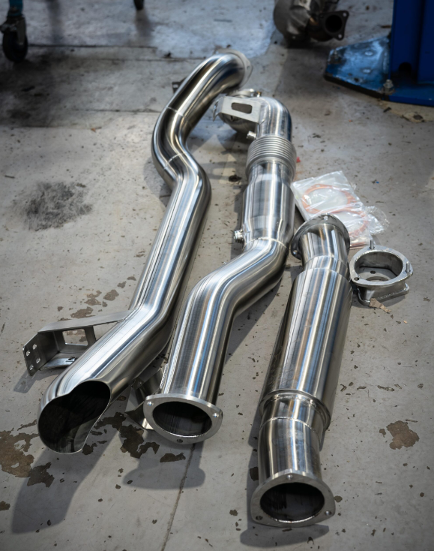
Aftermarket exhausts replace the factory system. They aim to boost performance and change the car’s sound. Many designs are available.
Popular aftermarket types include cat-back, axle-back, and headers. Each affects power and noise in different ways.
- Cat-back: replaces parts after the catalytic converter
- Axle-back: changes exhaust from the rear axle to the end
- Headers: improve how gases leave the engine
Performance Benefits
Exhaust systems play a key role in how well a vehicle performs. They help the engine breathe better and run smoother.
Improving the exhaust system can lead to better power output and fuel use. Let’s look at the main benefits.
Increased Horsepower
A good exhaust system reduces back pressure. This lets exhaust gases leave faster and makes the engine work less hard.
- Faster exhaust flow means more air for combustion.
- Improved combustion increases engine power.
- Less engine strain leads to longer engine life.
Enhanced Fuel Efficiency
Better exhaust flow helps the engine burn fuel more completely. This saves fuel and lowers emissions.
| Factor | Effect on Fuel Efficiency |
| Reduced Back Pressure | Engine uses less fuel for power |
| Improved Exhaust Flow | Cleaner combustion process |
| Lower Engine Temperature | Prevents fuel waste |
Credit: www.justdieselperformance.com.au
Installation And Maintenance
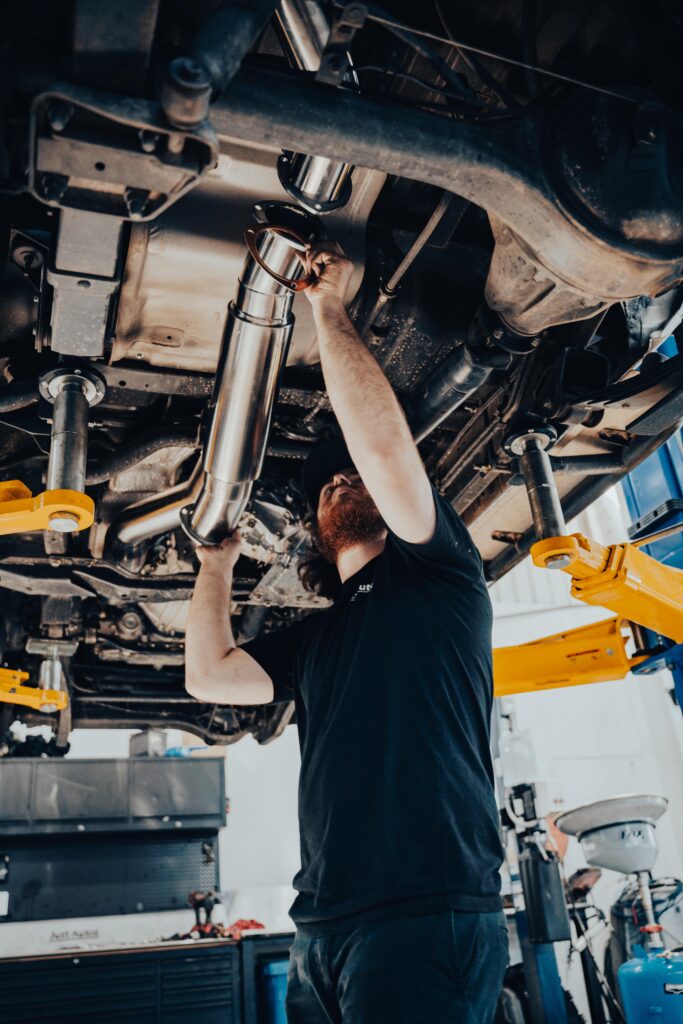
Exhaust systems help your engine run better and last longer. Proper installation and care keep your car safe and improve its power.
Knowing how to pick the right system and maintain it will save you time and money. It also helps your vehicle perform well on the road.
Choosing The Right System
Selecting the correct exhaust system depends on your car type and driving needs. A good fit improves airflow and reduces back pressure.
- Check compatibility with your vehicle model
- Consider materials like stainless steel for durability
- Look for systems that match your driving style
- Review the size and shape for proper installation
- Choose a system that balances noise and performance
Upkeep Tips For Longevity
Regular maintenance keeps your exhaust system working well. It prevents rust, leaks, and other damage that can reduce performance.
| Maintenance Task | Frequency | Purpose |
| Inspect for rust or holes | Every 6 months | Catch damage early |
| Clean exhaust tips | Monthly | Prevent buildup |
| Check hangers and clamps | Every year | Secure system parts |
| Listen for unusual noises | Regularly | Identify leaks or blockages |
| Replace damaged parts | As needed | Maintain system efficiency |
Credit: www.justdieselperformance.com.au
Frequently Asked Questions
How Do Exhaust Systems Boost Engine Performance?
Exhaust systems help remove gases faster, reducing engine strain and improving power output.
What Parts Of An Exhaust System Affect Car Speed?
Headers, pipes, and mufflers all influence how quickly exhaust gases exit, impacting speed.
Can A New Exhaust System Improve Fuel Efficiency?
Yes, better exhaust flow can help the engine use fuel more efficiently.
Why Does Exhaust Sound Change With System Upgrades?
Different parts control noise levels and tones, altering the car’s sound after upgrades.
How Often Should I Check Or Upgrade My Exhaust System?
Check yearly for leaks or damage; upgrade if performance or sound needs improvement.
Conclusion
Exhaust systems help cars run smoother and stronger. They improve engine breathing and reduce back pressure. This leads to better fuel use and more power. Good exhausts also lower harmful gases from the engine. Choosing the right system can boost your vehicle’s life.
It is a simple way to enhance performance. Small changes make a big difference on the road. Your car will feel more responsive and efficient. Keep your exhaust well-maintained for lasting results. A better exhaust means better driving.


